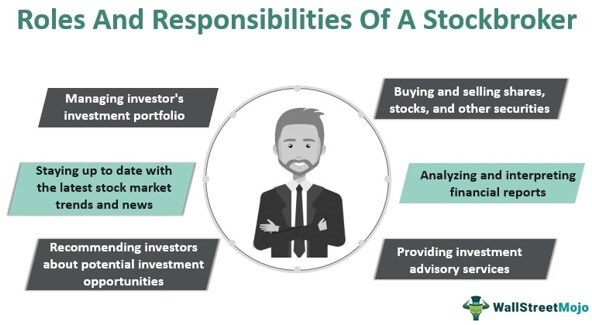
Imagine stepping into a bustling stock exchange floor, the air thick with the scent of ambition and the hum of rapid-fire trading. This scene, once the epitome of financial markets, has evolved dramatically. As we stand in 2025, the question on many investors' minds is: do stock brokers still exist? The answer is a resounding yes, but their role and the landscape they operate in have transformed significantly. Let's dive into the world of modern brokerage services and explore how financial advisors and investment strategies have adapted to the digital age.
The Evolution of Brokerage Services
In the past, stock brokers were the gatekeepers of the financial world. They were the intermediaries who executed trades on behalf of investors, providing valuable insights and advice. Today, while the core function remains, the delivery has shifted. The rise of online trading platforms has democratized access to financial markets, allowing anyone with an internet connection to buy and sell stocks. But does this mean the end of traditional brokerage services?
The Rise of Online Trading
Online trading has revolutionized the way we invest. With just a few clicks, you can execute trades, monitor market trends, and even automate your investment strategies. Platforms like Robinhood, E*TRADE, and TD Ameritrade have made it easier than ever to get started in the stock market. But here's the thing: while these platforms offer convenience and low fees, they often lack the personalized touch that comes with working with a human financial advisor.
Think of it like driving a car. You can use a GPS to navigate, but sometimes you need a co-pilot who knows the shortcuts and can warn you about upcoming traffic jams. Similarly, while online trading tools are powerful, they can't replace the expertise and guidance of a seasoned financial advisor.
The Role of Financial Advisors in 2025
So, what do financial advisors do in 2025? They provide a blend of technology and human touch. They use advanced algorithms and data analytics to offer tailored investment strategies, but they also bring empathy and understanding to the table. They help you navigate the complexities of the market, providing insights that go beyond what a machine can offer.
Financial advisors are like personal trainers for your investments. They don't just tell you what to do; they work with you to understand your goals, risk tolerance, and financial situation. They help you stay disciplined and focused, even when market trends are volatile.
Adapting to Market Trends
Market trends in 2025 are more dynamic than ever. With the rise of cryptocurrencies, the increasing importance of ESG (Environmental, Social, and Governance) investing, and the growing influence of AI and machine learning, staying ahead of the curve is crucial. So, how do stock brokers adapt to these changes?
Embracing Technology
Technology is at the heart of modern brokerage services. Financial advisors use AI to analyze market data, identify trends, and make informed decisions. They leverage robo-advisors to manage portfolios efficiently, but they also understand that human intuition and experience are invaluable.
Imagine trying to solve a complex puzzle. You can use a computer to help you find the pieces, but you still need a human eye to see the bigger picture and make the final connections. Similarly, technology enhances the capabilities of financial advisors, but it doesn't replace them.
Personalized Investment Strategies
One size does not fit all when it comes to investing. Financial advisors in 2025 focus on creating personalized investment strategies that align with your unique goals and circumstances. They consider factors like your age, income, risk tolerance, and long-term objectives to craft a plan that works for you.
Think of it like tailoring a suit. You wouldn't wear a suit that doesn't fit perfectly, would you? Similarly, a one-size-fits-all investment strategy won't work for everyone. Financial advisors ensure that your investment strategy is as unique as you are.
The Future of Brokerage Services
As we look ahead, the future of brokerage services is bright. While technology will continue to play a significant role, the human element will remain essential. Financial advisors will evolve, becoming more tech-savvy and data-driven, but they will also stay grounded in their ability to understand and connect with clients on a personal level.
So, do stock brokers still exist in 2025? Absolutely. They have adapted, embraced technology, and continue to provide invaluable services to investors. Whether you're a seasoned investor or just starting out, working with a financial advisor can help you navigate the complexities of the market and achieve your financial goals.
Conclusion
In conclusion, the role of stock brokers has evolved significantly in 2025. While online trading platforms have made investing more accessible, the expertise and guidance of financial advisors remain crucial. They help you stay disciplined, navigate market trends, and create personalized investment strategies. So, if you're wondering whether stock brokers still exist, the answer is yes—and they're more important than ever.
As you embark on your investment journey, consider working with a financial advisor. They can provide the insights and support you need to succeed in the ever-changing world of finance. Remember, investing is a marathon, not a sprint, and having a trusted advisor by your side can make all the difference.
FAQs
1. What are the benefits of working with a financial advisor in 2025?
Working with a financial advisor in 2025 offers numerous benefits, including personalized investment strategies, expert market insights, and the ability to stay disciplined and focused. Financial advisors use advanced technology and data analytics to provide tailored advice, helping you navigate the complexities of the market and achieve your financial goals.
2. How have online trading platforms changed the role of stock brokers?
Online trading platforms have democratized access to financial markets, making it easier for anyone to buy and sell stocks. However, they often lack the personalized touch that comes with working with a human financial advisor. Stock brokers have adapted by embracing technology and focusing on providing expert guidance and support.
3. What should I look for in a financial advisor?
When choosing a financial advisor, look for someone who understands your unique goals and circumstances. They should be knowledgeable about market trends and investment strategies, and they should be able to provide personalized advice. Additionally, consider their communication style and whether they align with your values and preferences.
4. How do financial advisors use technology to enhance their services?
Financial advisors use a variety of technologies, including AI and machine learning, to analyze market data, identify trends, and make informed decisions. They also leverage robo-advisors to manage portfolios efficiently. However, they understand that human intuition and experience are invaluable, and they use technology to enhance, not replace, their expertise.
5. What are some common investment strategies in 2025?
In 2025, common investment strategies include ESG investing, which focuses on environmental, social, and governance factors, and the use of cryptocurrencies. Financial advisors also consider factors like your age, income, risk tolerance, and long-term objectives to craft a personalized investment strategy that works for you.
```
Posting Komentar