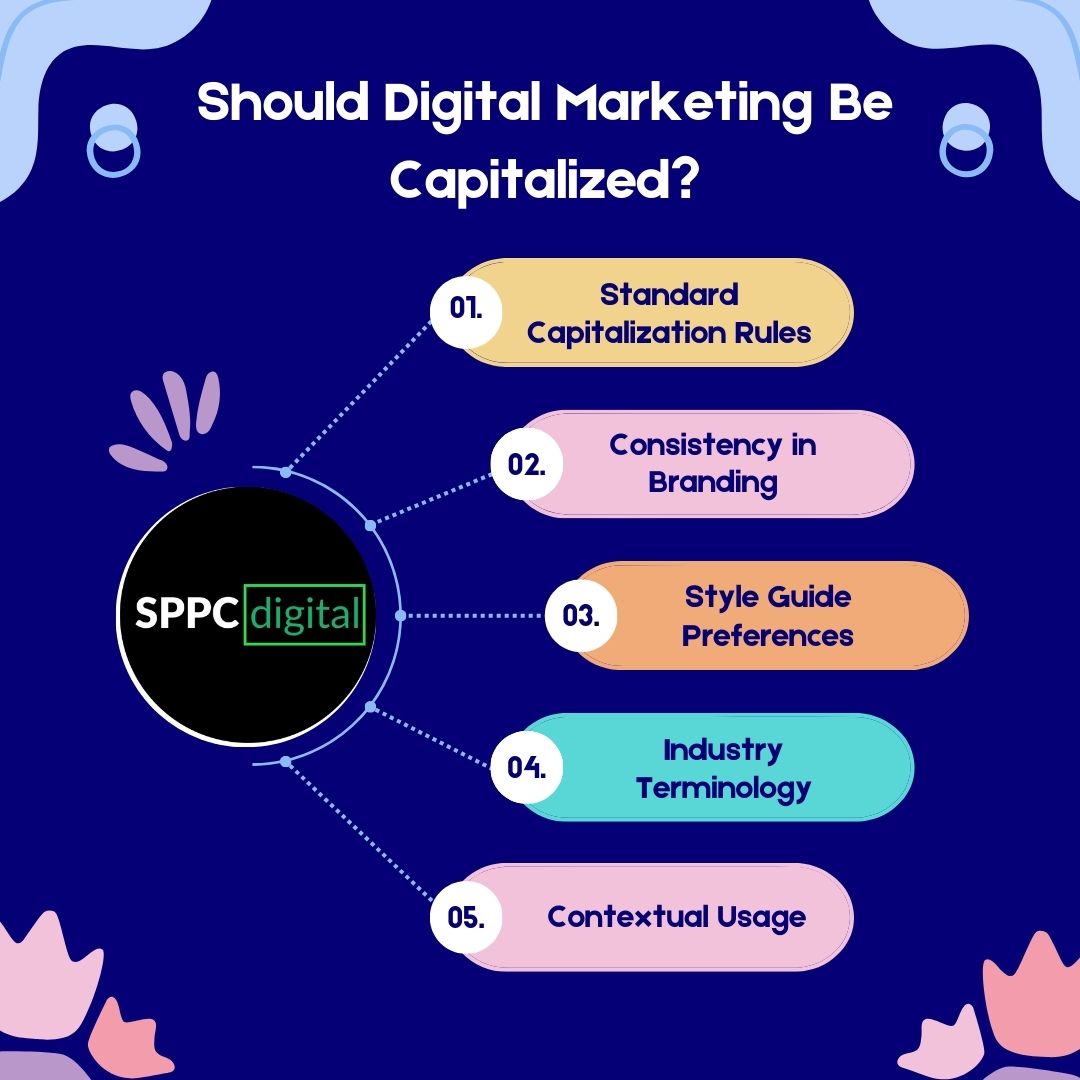
Imagine you're writing a compelling marketing report, and suddenly, you're faced with a dilemma: should you capitalize the word "marketing"? This seemingly small question can have a significant impact on your professionalism and the clarity of your communication. Let's dive into the world of capitalization rules, grammar guidelines, and writing tips to uncover the answer to this perplexing question.
Understanding Capitalization Rules
Capitalization is a fundamental aspect of proper grammar in the English language. It helps to distinguish important words and phrases, making your writing easier to read and understand. But when it comes to marketing terminology, things can get a bit tricky. So, let's break it down.
The Basics of Capitalization
In general, capitalization rules are straightforward. You capitalize the first word of a sentence, proper nouns, and titles. But what about specific terms like "marketing"? Should it always be capitalized, or does it depend on the context?
To answer this, let's consider a few scenarios. When you're writing a headline or a title, capitalization rules change slightly. Headline capitalization, also known as title capitalization, requires you to capitalize most major words. This means that in a headline, "marketing" would indeed be capitalized. For example, "The Future of Digital Marketing" follows these rules perfectly.
Capitalization in Body Text
However, when it comes to the body text of your writing, the rules are different. In most cases, you should not capitalize "marketing" unless it is part of a proper noun or title. For instance, if you're referring to a specific marketing campaign, like "Apple's Fall Marketing Campaign," then "Marketing" would be capitalized. But in a general sense, "marketing" should remain in lowercase.
Grammar Guidelines for Marketing Terminology
Marketing terminology can be complex, and proper grammar is essential to ensure clarity and professionalism. Let's explore some key grammar guidelines that will help you navigate the intricacies of marketing language.
Consistency is Key
One of the most important writing tips is to maintain consistency in your capitalization. If you decide to capitalize "marketing" in one instance, make sure you do so consistently throughout your document. Inconsistency can confuse your readers and detract from the overall quality of your writing.
Avoid Overcapitalization
Another common mistake is overcapitalization. Just because a word is important doesn't mean it needs to be capitalized. For example, you wouldn't capitalize "strategy" or "plan" unless they are part of a title or proper noun. The same logic applies to "marketing." Use capitalization judiciously to maintain the integrity of your writing.
Writing Tips for Effective Communication
Effective communication is the cornerstone of successful marketing. Whether you're writing a blog post, a marketing report, or an email, adhering to English language rules and grammar guidelines is crucial. Here are some writing tips to help you master the art of capitalization.
Know Your Audience
Understanding your audience is essential for effective communication. If your readers are familiar with marketing terminology, they might expect certain words to be capitalized. However, if your audience is more general, sticking to standard capitalization rules is the way to go. Always tailor your writing to meet the expectations and needs of your readers.
Use Tools and Resources
There are numerous tools and resources available to help you with capitalization and grammar. Style guides like the AP Stylebook or the Chicago Manual of Style can provide valuable insights into proper capitalization. Additionally, grammar-checking tools like Grammarly can help you catch errors and ensure consistency in your writing.
Conclusion
So, should marketing be capitalized? The answer depends on the context. In headlines and titles, yes, it should be capitalized. In body text, it generally should not, unless it is part of a proper noun or title. Consistency, clarity, and adherence to grammar guidelines are key to effective communication in marketing. By understanding and applying these rules, you can elevate your writing and make a lasting impression on your readers.
Now, it's your turn to put these tips into practice. Whether you're writing a marketing report, a blog post, or an email, remember the importance of proper capitalization and grammar. Your readers will thank you for it!
FAQs
1. When should I capitalize "marketing" in a sentence?
You should capitalize "marketing" in a sentence when it is part of a title or headline, or when it is part of a proper noun. In general body text, it should remain in lowercase unless it is part of a specific campaign or program name.
2. What are the general capitalization rules for titles?
In title capitalization, also known as headline capitalization, most major words are capitalized. This includes nouns, pronouns, adjectives, verbs, adverbs, and some conjunctions and prepositions. Minor words like articles, short prepositions, and conjunctions are usually not capitalized unless they are the first or last word in the title.
3. How can I ensure consistency in my capitalization?
To ensure consistency, create a style guide for your writing. Decide on your capitalization rules upfront and stick to them throughout your document. Use tools like Grammarly to catch inconsistencies and maintain a high standard of writing.
4. Are there any exceptions to the capitalization rules?
Yes, there are exceptions. For example, in academic writing, certain terms might be capitalized based on the specific style guide you are following. Always refer to the relevant style guide for your field of writing to ensure you are adhering to the correct rules.
5. What resources can I use to improve my capitalization skills?
There are several resources available to improve your capitalization skills. Style guides like the AP Stylebook, the Chicago Manual of Style, and the MLA Handbook are excellent references. Additionally, online tools like Grammarly and Hemingway Editor can help you catch errors and improve your writing.
```
Posting Komentar