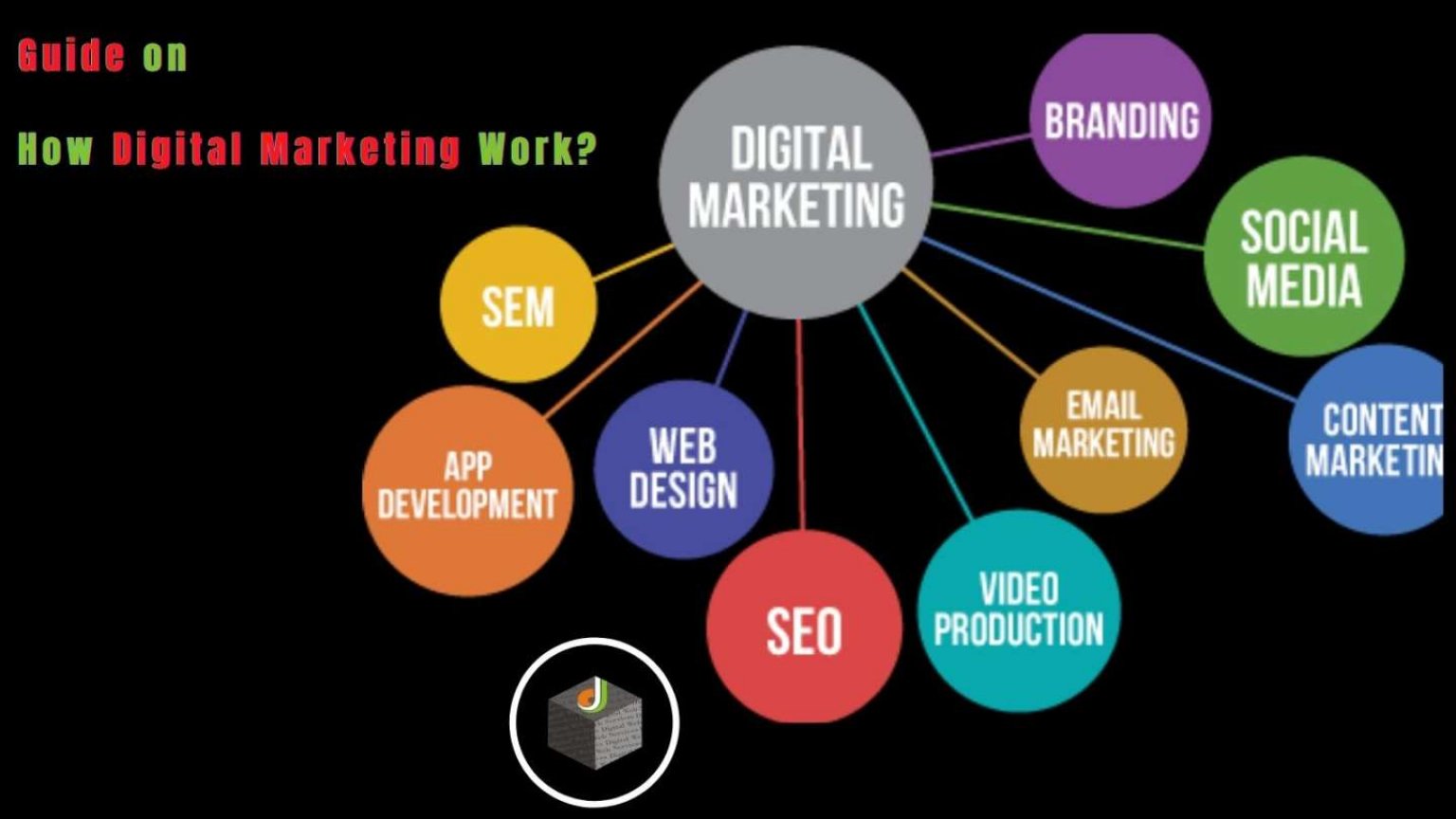
Imagine you're at a bustling marketplace. Vendors are shouting out their offers, trying to catch your attention. Some are successful, while others fade into the background. In the digital age, marketing works much the same way. It's about standing out, capturing attention, and converting interest into action. So, how does marketing work? Let's dive in and explore the intricacies of effective marketing strategies that drive business growth.
Understanding the Basics of Marketing
At its core, marketing is about communicating the value of your product or service to your target audience. It's not just about selling; it's about building relationships and creating brand loyalty. Effective marketing campaigns are those that understand their audience deeply and tailor their messages to resonate with them.
Think of marketing as a conversation. You're not just talking at your audience; you're engaging with them. You're listening to their needs, addressing their pain points, and offering solutions. This two-way interaction is what makes marketing work.
The Marketing Funnel: A Roadmap to Success
The marketing funnel is a visual representation of the customer journey, from awareness to conversion. It typically consists of three stages: top of the funnel (TOFU), middle of the funnel (MOFU), and bottom of the funnel (BOFU). Each stage requires different marketing techniques to guide the customer through the funnel effectively.
- TOFU: This is where you attract potential customers. Use content marketing, social media, and SEO to increase visibility and generate interest.
- MOFU: Here, you nurture leads. Provide valuable content, webinars, and email marketing to build trust and establish your expertise.
- BOFU: This is the conversion stage. Use targeted ads, retargeting, and special offers to encourage customers to make a purchase.
Crafting an Effective Marketing Plan
A well-crafted marketing plan is the backbone of any successful marketing campaign. It outlines your goals, target audience, marketing strategies, and metrics for success. But how do you create a marketing plan that works?
Start by defining your business goals. What do you want to achieve with your marketing efforts? Increased brand awareness? More sales? Higher customer retention? Once you have clear goals, identify your target audience. Who are they? What do they need? How can you reach them?
Next, choose your marketing techniques. Will you use social media, email marketing, content marketing, or a combination of these? Each technique has its strengths and weaknesses, so choose the ones that align best with your goals and audience.
Finally, set your metrics for success. How will you measure the effectiveness of your marketing campaigns? Use key performance indicators (KPIs) like conversion rates, click-through rates, and return on investment (ROI) to track your progress and make data-driven decisions.
Marketing Tips for Success
Here are some marketing tips to help you succeed:
- Know Your Audience: Understand their needs, preferences, and behaviors. The more you know about your audience, the better you can tailor your messages to resonate with them.
- Consistency is Key: Consistency in your branding, messaging, and marketing efforts builds trust and recognition. Make sure your marketing campaigns are consistent across all channels.
- Leverage Data: Use data to inform your marketing strategies. Analyze customer behavior, track campaign performance, and use this information to make data-driven decisions.
- Engage with Your Audience: Marketing is a two-way street. Engage with your audience through social media, email, and other channels. Respond to their questions, address their concerns, and build a community around your brand.
- Stay Updated: Marketing trends and techniques are constantly evolving. Stay updated with the latest trends and adapt your marketing strategies accordingly.
The Power of Storytelling in Marketing
Storytelling is a powerful marketing technique that can help you connect with your audience on a deeper level. People remember stories, not facts and figures. So, how can you use storytelling in your marketing campaigns?
Start by identifying your brand's unique story. What makes your brand different? What values do you stand for? How have you overcome challenges? Use this story to create an emotional connection with your audience.
Next, incorporate storytelling into your marketing techniques. Use customer testimonials, case studies, and behind-the-scenes content to share your brand's story. Make your audience the hero of your story, showing how your product or service can help them achieve their goals.
Finally, be authentic. Authenticity is key in storytelling. Your audience can see through fake or exaggerated stories. Be genuine and transparent in your storytelling to build trust and credibility.
Measuring Marketing Success
How do you know if your marketing campaigns are working? Measuring marketing success is crucial for understanding what's working and what's not. But what metrics should you track?
Start with your business goals. What are you trying to achieve with your marketing efforts? Increased brand awareness? More sales? Higher customer retention? Choose metrics that align with your goals.
Some common metrics to track include:
- Conversion Rates: The percentage of visitors who take a desired action, such as making a purchase or signing up for a newsletter.
- Click-Through Rates (CTR): The percentage of people who click on a link in your email or ad.
- Return on Investment (ROI): The revenue generated from your marketing campaigns compared to the cost of running them.
- Customer Acquisition Cost (CAC): The cost of acquiring a new customer.
- Customer Lifetime Value (CLV): The total revenue a business can reasonably expect from a single customer account throughout the business relationship.
Use these metrics to track your progress and make data-driven decisions. Regularly review your marketing campaigns and adjust your strategies based on your performance data.
Conclusion
So, how does marketing work? It's a combination of understanding your audience, crafting a compelling marketing plan, using effective marketing techniques, and measuring your success. Marketing is not a one-size-fits-all approach. It requires continuous learning, adaptation, and engagement. But with the right strategies and techniques, you can drive business growth and achieve your marketing goals.
Remember, marketing is a journey, not a destination. Keep experimenting, keep learning, and keep engaging with your audience. The more you understand your audience and the more you adapt to their needs, the more successful your marketing campaigns will be.
Now, it's your turn. What marketing strategies have worked for you? What challenges have you faced? Share your experiences and let's continue the conversation.
FAQs
1. What are the key elements of a successful marketing campaign?
A successful marketing campaign includes a clear understanding of your target audience, well-defined goals, a compelling message, and effective marketing techniques. It also involves consistent branding, engagement with your audience, and regular measurement of performance metrics.
2. How can I measure the effectiveness of my marketing efforts?
Measure the effectiveness of your marketing efforts by tracking key performance indicators (KPIs) such as conversion rates, click-through rates, return on investment (ROI), customer acquisition cost (CAC), and customer lifetime value (CLV). Regularly review these metrics to make data-driven decisions and adjust your strategies accordingly.
3. What are some effective marketing techniques for small businesses?
Effective marketing techniques for small businesses include content marketing, social media marketing, email marketing, search engine optimization (SEO), and local marketing. These techniques are cost-effective and can help small businesses reach their target audience and drive business growth.
4. How important is storytelling in marketing?
Storytelling is crucial in marketing as it helps you connect with your audience on a deeper level. People remember stories, not facts and figures. By incorporating storytelling into your marketing campaigns, you can create an emotional connection with your audience, build trust, and establish your brand's unique identity.
5. What role does data play in marketing?
Data plays a vital role in marketing by informing your strategies and helping you make data-driven decisions. By analyzing customer behavior, tracking campaign performance, and using this information, you can optimize your marketing efforts, improve your ROI, and achieve your business goals.
```
Posting Komentar