Imagine you own a pie, and suddenly, someone decides to cut that pie into more slices. The pie itself hasn't changed in size, but now you have more pieces to share. This is essentially what happens when stocks split. A stock split event is a corporate action that changes the number of outstanding shares without altering the overall value of the company. But what does this mean for investors, and why do companies choose to split their stocks? Let's dive in and explore the fascinating world of stock splits.
The Basics of a Stock Split
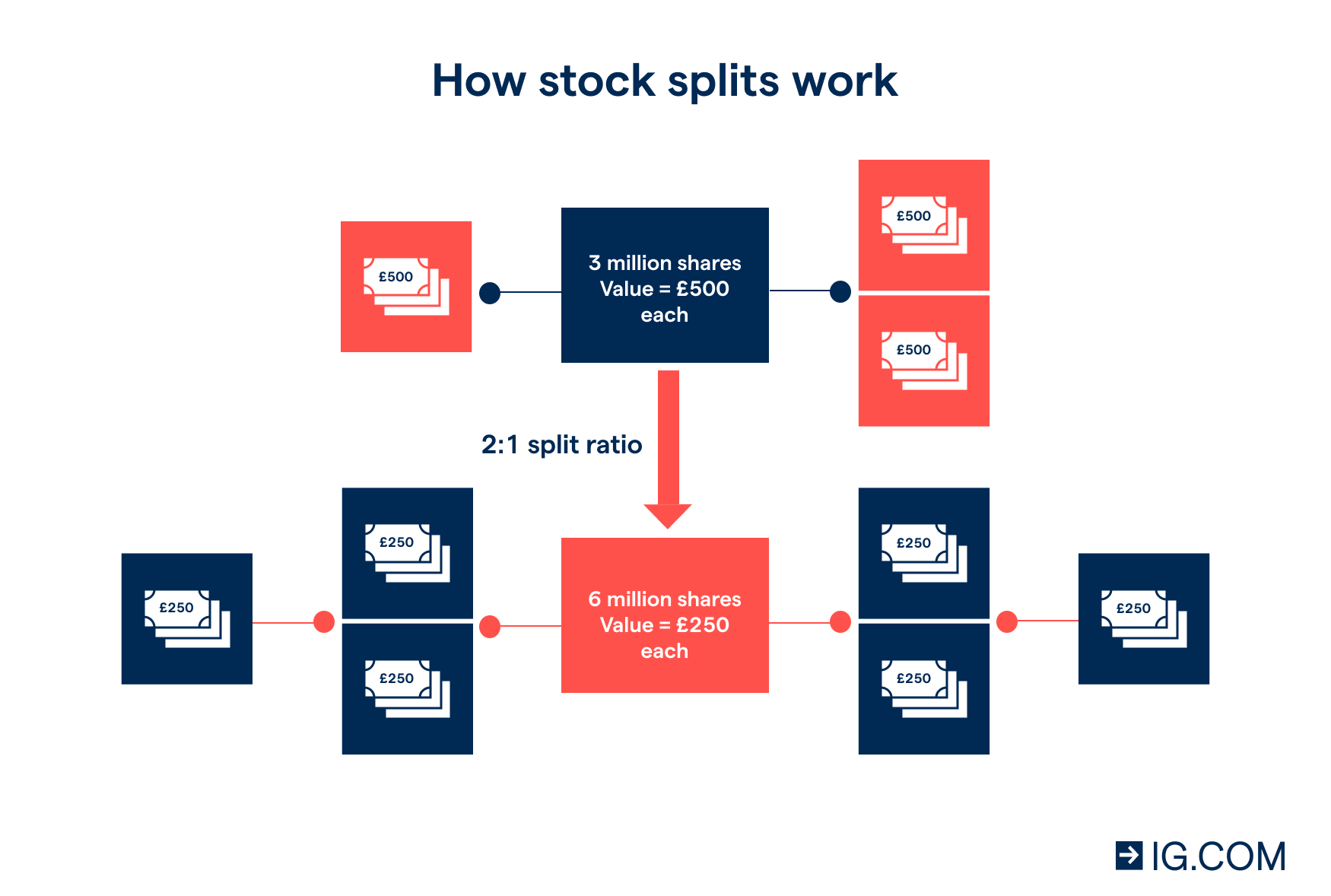
When a company announces a stock split, it's essentially dividing its existing shares into multiple shares. For example, in a 2-for-1 stock split, each share is split into two, doubling the number of shares but halving the share price. This doesn't change the overall market capitalization or the value of the company. Think of it like breaking a $100 bill into two $50 bills—you still have $100, just in a different form.
Why Do Companies Split Their Stocks?
Companies often use stock splits as a financial strategy to make their shares more accessible to a broader range of investors. A lower share price can attract retail investors who might find the higher price intimidating. For instance, if a company's share price is $1,000, a 10-for-1 split would reduce the price to $100, making it more appealing to smaller investors. This can lead to increased liquidity and potentially boost market performance.
The Impact on Share Price
It's crucial to understand that a stock split doesn't change the underlying value of the company. If a company's shares are trading at $500 each and it announces a 2-for-1 split, the share price will drop to $250. However, the total value of your investment remains the same. If you owned 10 shares at $500 each, you now own 20 shares at $250 each. The total value is still $5,000.
Investor Impact: What You Need to Know
For investors, a stock split can have several implications. On one hand, it can make the stock more affordable, potentially attracting more buyers and increasing demand. This can lead to a short-term boost in the share price due to increased market interest. However, it's important to remember that the fundamental value of the company hasn't changed. The long-term market performance will still be driven by the company's earnings, growth prospects, and overall financial health.
Psychological Effects
Stock splits can also have psychological effects on investors. A lower share price can make the stock seem more affordable and attractive, even if the underlying value remains the same. This can lead to increased buying activity, which can drive up the share price in the short term. However, it's essential to focus on the company's fundamentals rather than getting caught up in the hype.
Tax Implications
One often-overlooked aspect of stock splits is the potential tax implications. In most cases, stock splits do not trigger taxable events. This means you won't owe taxes on the split shares themselves. However, if you sell the shares after the split, you will be subject to capital gains tax based on the difference between the sale price and your original purchase price. Always consult with a financial advisor or tax professional to understand the specific implications for your situation.
Historical Examples of Successful Stock Splits
Looking at historical examples can provide valuable insights into how stock splits have impacted companies and their investors. For instance, Apple's 7-for-1 stock split in 2014 made its shares more accessible to a broader range of investors. The split didn't change the company's market capitalization, but it did make the stock more attractive to retail investors, leading to increased liquidity and market performance.
Another notable example is Tesla's 5-for-1 stock split in 2020. The split reduced the share price from over $2,000 to around $400, making it more affordable for individual investors. This move was part of a broader strategy to increase the company's accessibility and liquidity, which can be beneficial for long-term growth.
Conclusion
When stocks split, it's essential to understand that the underlying value of the company remains the same. The primary goal of a stock split is to make shares more accessible to a broader range of investors, potentially increasing liquidity and market performance. As an investor, focus on the company's fundamentals and long-term prospects rather than getting caught up in the short-term hype. Remember, a stock split is just one piece of the puzzle in a company's financial strategy.
So, the next time you hear about a stock split event, take a moment to consider the reasons behind it and how it might impact your investment decisions. Whether you're a seasoned investor or just starting out, understanding the mechanics and implications of stock splits can help you make more informed choices and navigate the dynamic world of investing with confidence.
FAQs
1. What is a stock split event?
A stock split event is a corporate action where a company increases the number of its outstanding shares by splitting each existing share into multiple shares. This does not change the overall value of the company but can make the shares more accessible to a broader range of investors.
2. How does a stock split affect the share price?
A stock split reduces the share price proportionally to the number of new shares created. For example, in a 2-for-1 split, the share price is halved, but the total value of your investment remains the same.
3. Why do companies choose to split their stocks?
Companies often split their stocks to make them more affordable and attractive to a broader range of investors. This can increase liquidity and potentially boost market performance in the short term.
4. What are the tax implications of a stock split?
In most cases, stock splits do not trigger taxable events. However, if you sell the shares after the split, you will be subject to capital gains tax based on the difference between the sale price and your original purchase price.
5. How can investors benefit from a stock split?
Investors can benefit from a stock split by taking advantage of the increased liquidity and potential short-term boost in share price. However, it's essential to focus on the company's fundamentals and long-term prospects rather than getting caught up in the short-term hype.
```
Posting Komentar