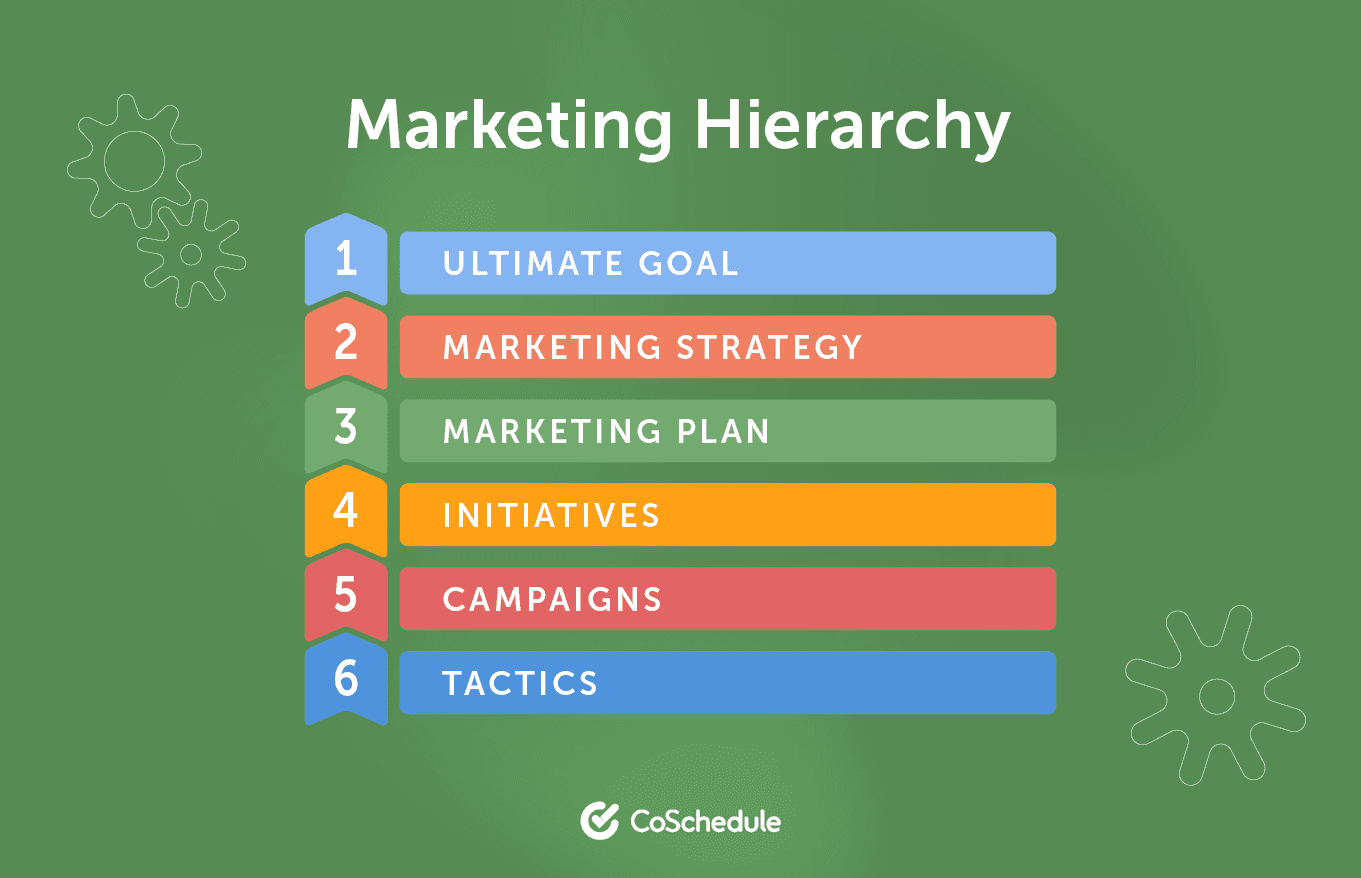
Imagine you're planning a road trip. You wouldn't just hop in the car and drive, would you? You'd map out your route, pack essentials, and set a timeline. The same goes for your business strategy. A well-crafted marketing plan is your roadmap to marketing success. But what should marketing plans include? Let's dive in and explore the essential plan components that will guide you to effective marketing.
The Foundation of Your Marketing Strategy
Your marketing strategy is the backbone of your business strategy. It outlines your marketing goals, objectives, and the tactics you'll use to achieve them. Think of it as the blueprint for your marketing efforts. But where do you start?
Defining Your Marketing Objectives
First things first, you need to define your marketing objectives. What do you want to achieve? Is it brand awareness, lead generation, or sales growth? Be specific. Instead of saying "increase sales," say "increase sales by 20% within the next quarter." Clear, measurable objectives are the cornerstone of any effective marketing plan.
Identifying Your Target Audience
Who are you trying to reach? Understanding your target audience is crucial. Create buyer personas—detailed profiles of your ideal customers. Consider demographics, behaviors, needs, and pain points. The more you know about your audience, the better you can tailor your marketing tactics to resonate with them.
The Core Marketing Elements
Now that you have your objectives and audience, let's look at the core marketing elements that will make up your strategic planning.
Market Research
Market research is like your GPS. It helps you navigate the competitive landscape and understand market trends. Conduct surveys, analyze data, and study your competitors. The insights you gain will inform your marketing tactics and help you stay ahead of the curve.
Unique Value Proposition
What makes your product or service unique? Your unique value proposition (UVP) is what sets you apart from the competition. It's the reason customers should choose you over anyone else. Clearly define your UVP and communicate it consistently across all your marketing channels.
Marketing Channels
Where will you reach your audience? Your marketing channels are the avenues through which you'll deliver your message. This could be social media, email marketing, content marketing, SEO, PPC, or even traditional methods like print ads. Choose the channels that best align with your audience and objectives.
Executing Your Marketing Tactics
With your foundation and core elements in place, it's time to execute your marketing tactics. This is where the rubber meets the road.
Content Strategy
Content is king, as the saying goes. Your content strategy should include the types of content you'll create (blogs, videos, infographics), the topics you'll cover, and the frequency of your publishing schedule. High-quality, valuable content will attract and engage your audience, driving them further down the sales funnel.
Promotional Strategies
How will you promote your content and offers? Promotional strategies include everything from social media campaigns to email newsletters to paid advertising. Each tactic should be designed to amplify your message and reach a wider audience.
Measurement and Analytics
How will you know if your marketing efforts are paying off? Measurement and analytics are essential for tracking your progress and making data-driven decisions. Use tools like Google Analytics to monitor key performance indicators (KPIs) and adjust your tactics as needed.
Adapting and Improving
Your marketing plan is not set in stone. It's a living document that should evolve with your business and the market. Regularly review your plan, assess your performance, and make necessary adjustments. Stay flexible and be ready to pivot when needed.
Conclusion
So, what should marketing plans include? A clear set of objectives, a deep understanding of your target audience, thorough market research, a unique value proposition, well-chosen marketing channels, a solid content strategy, effective promotional tactics, and a robust measurement system. By including these essential plan components, you'll be well on your way to marketing success. Remember, your marketing plan is your roadmap. It guides you, keeps you on track, and helps you reach your destination. So, start planning, stay focused, and watch your business strategy come to life.
FAQs
1. What are the key components of a marketing plan?
The key components of a marketing plan include marketing objectives, target audience identification, market research, unique value proposition, chosen marketing channels, content strategy, promotional tactics, and measurement and analytics.
2. How do I set effective marketing objectives?
Effective marketing objectives should be specific, measurable, achievable, relevant, and time-bound (SMART). For example, instead of saying "increase sales," say "increase sales by 20% within the next quarter."
3. Why is market research important in strategic planning?
Market research helps you understand the competitive landscape, market trends, and customer behaviors. This information is crucial for informing your marketing tactics and staying ahead of the competition.
4. What is a unique value proposition and why is it important?
A unique value proposition (UVP) is what sets your product or service apart from the competition. It's the reason customers should choose you. Clearly defining and communicating your UVP helps you stand out in a crowded market.
5. How do I measure the success of my marketing efforts?
Measure the success of your marketing efforts by tracking key performance indicators (KPIs) using tools like Google Analytics. Regularly review your performance and make data-driven adjustments to your tactics as needed.
```
Posting Komentar