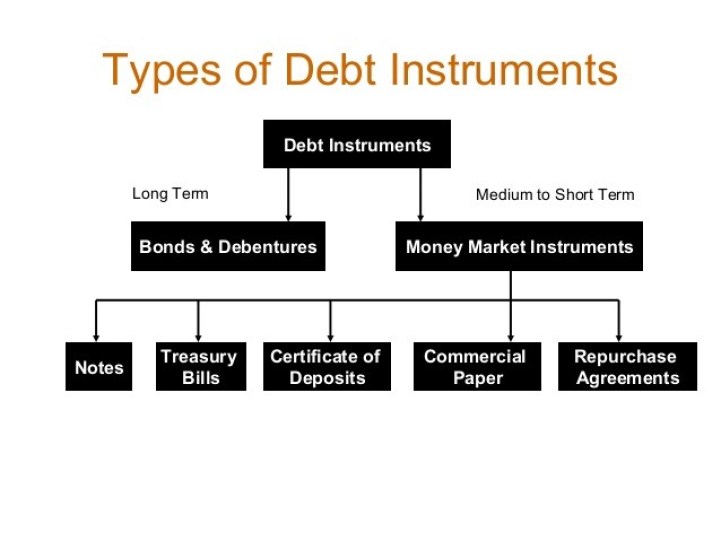
Imagine you're at a bustling marketplace, but instead of fresh produce or handmade crafts, the stalls are filled with promises of future payments. Welcome to the world of debt securities! But which market is the hub for these financial instruments? Let's dive in and explore the fascinating realm of debt instruments, bond market analysis, and fixed income securities.
The Primary Market: Where Debt Securities Are Born
The journey of a debt security begins in the primary market. Think of it as the birthplace of debt instruments. Here, issuers—whether they are governments, corporations, or other entities—sell new debt securities to investors. This market is crucial for entities looking to raise capital. For instance, when a government needs funds to build infrastructure, it issues government bonds. Similarly, corporations issue corporate debt to finance expansions or cover operational costs.
In the primary market, the process is straightforward: the issuer sets the terms, including the interest rate and maturity date, and then sells the securities to investors. This initial sale is often facilitated by investment banks, which act as intermediaries. If you're wondering how this benefits you, consider this: by investing in these securities, you're essentially lending money to the issuer in exchange for periodic interest payments and the return of the principal at maturity.
The Secondary Market: The Trading Hub
Once debt securities are issued, they often find their way to the secondary market. This is where the real action happens. The secondary market is the trading hub for debt instruments, allowing investors to buy and sell existing securities. It's akin to a stock exchange, but instead of equities, the focus is on fixed income securities.
In the secondary market, prices of debt securities can fluctuate based on various factors, including interest rates, credit risk, and market demand. This is where bond market analysis comes into play. Investors and analysts scrutinize these factors to make informed decisions. For example, if interest rates rise, the price of existing bonds typically falls because new bonds offer higher yields. Understanding these dynamics is key to successful investing in the secondary market.
Government Bonds: The Bedrock of Stability
Government bonds are often considered the safest bet in the debt securities market. Issued by national governments, these bonds are backed by the full faith and credit of the government. They are a staple in bond market analysis due to their low risk and predictable returns. Investors often turn to government bonds during times of economic uncertainty, seeking the stability they offer.
For instance, U.S. Treasury bonds are a popular choice for investors worldwide. They come in various maturities, from short-term Treasury bills to long-term Treasury bonds. The yield on these bonds is often used as a benchmark for other fixed income securities. If you're looking for a safe haven for your investments, government bonds are a solid choice.
Corporate Debt: The Engine of Growth
On the other hand, corporate debt offers higher yields but comes with higher risk. Companies issue bonds to raise capital for various purposes, such as expanding operations or funding new projects. The risk associated with corporate debt depends on the financial health and creditworthiness of the issuing company. This is where credit ratings come into play, providing investors with an assessment of the issuer's ability to repay the debt.
Investing in corporate debt can be lucrative, but it requires careful bond market analysis. You need to evaluate the company's financial statements, market position, and economic outlook. For example, a tech startup with high growth potential might issue high-yield bonds, offering attractive returns but also carrying significant risk. It's a balancing act between risk and reward.
Navigating the Debt Securities Market
So, which market trades debt securities? The answer is both the primary and secondary markets. Each plays a vital role in the lifecycle of debt instruments. The primary market is where new securities are issued, while the secondary market is where they are traded. Understanding the dynamics of both markets is essential for anyone looking to invest in fixed income securities.
Whether you're a seasoned investor or just starting out, the debt securities market offers a wealth of opportunities. From the stability of government bonds to the potential high returns of corporate debt, there's something for every risk tolerance and investment goal. But remember, knowledge is power. Stay informed, conduct thorough bond market analysis, and always keep an eye on the economic indicators that can impact your investments.
Conclusion
In conclusion, the markets that trade debt securities are the primary and secondary markets. The primary market is where debt instruments are born, and the secondary market is where they are actively traded. Whether you're investing in government bonds for stability or corporate debt for higher yields, understanding these markets is crucial. So, are you ready to dive into the world of debt securities? Start by educating yourself, stay informed, and make smart investment decisions. The debt securities market is waiting, and the opportunities are endless.
FAQs
1. What are debt securities?
Debt securities are financial instruments that represent a loan made by an investor to a borrower. They include bonds, notes, and bills issued by governments, corporations, and other entities. Investors receive periodic interest payments and the return of the principal at maturity.
2. How do I invest in the debt securities market?
To invest in the debt securities market, you can start by opening a brokerage account. Research different types of debt instruments, such as government bonds and corporate debt, and conduct thorough bond market analysis. Consider your risk tolerance and investment goals before making any decisions.
3. What is the difference between the primary and secondary markets?
The primary market is where new debt securities are issued and sold to investors for the first time. The secondary market is where existing debt securities are traded among investors. The primary market is about issuance, while the secondary market is about trading.
4. Are government bonds a safe investment?
Government bonds are generally considered safe investments because they are backed by the full faith and credit of the government. However, the level of safety can vary depending on the issuing country's economic stability and creditworthiness.
5. How do interest rates affect the debt securities market?
Interest rates have a significant impact on the debt securities market. When interest rates rise, the prices of existing bonds typically fall because new bonds offer higher yields. Conversely, when interest rates fall, the prices of existing bonds rise. Understanding these dynamics is crucial for successful investing in the debt securities market.
```
Posting Komentar