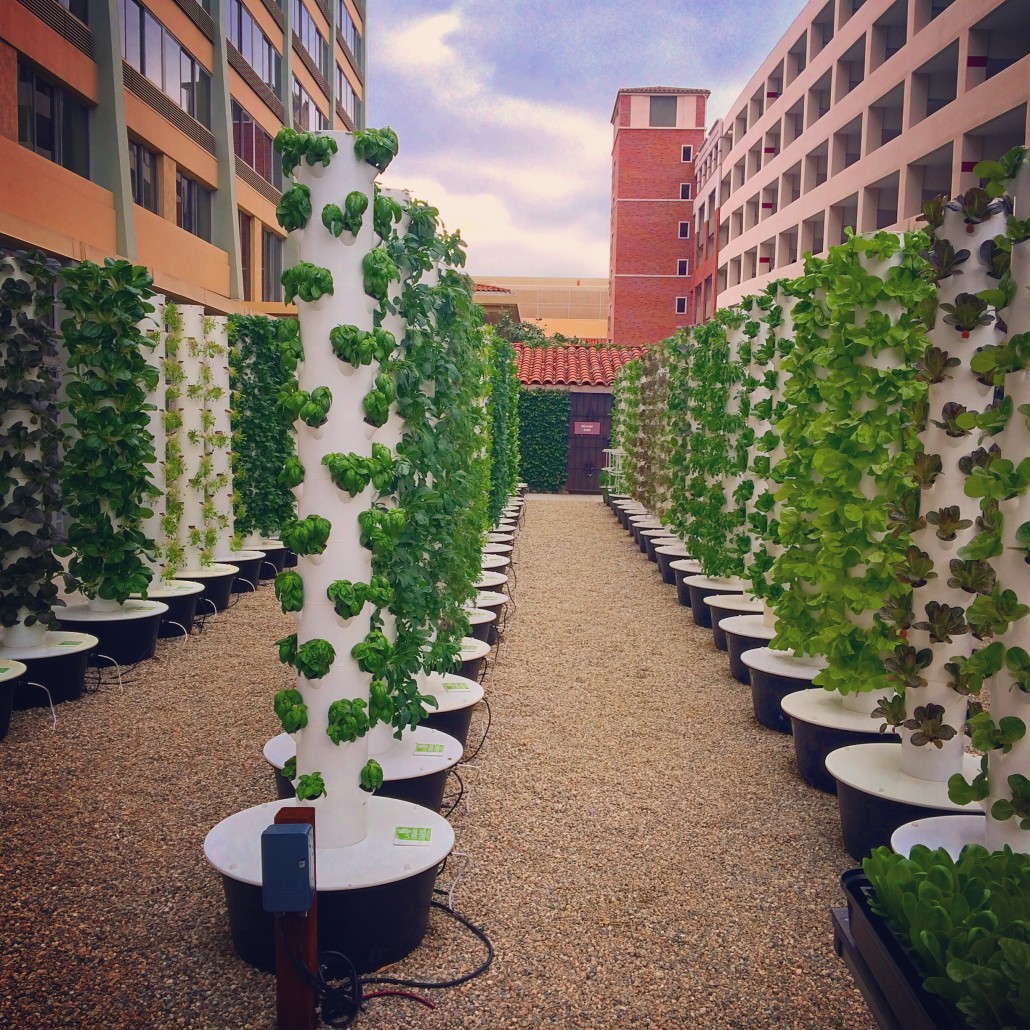
Imagine walking through a bustling city, the concrete jungle we often hear about, but this time, something is different. The grey buildings are adorned with lush greenery, and the air is fresher, cleaner. This isn't a distant dream; it's a reality made possible by vertical gardening for urban areas. But can this innovative approach truly benefit our cities? Let's dive in and explore the transformative potential of urban vertical gardening.
The Concept of Vertical Gardening
Vertical gardening is more than just a trend; it's a revolution in urban agriculture solutions. It involves growing plants on vertical surfaces, such as walls, fences, and even buildings. This technique is not only space-efficient but also aesthetically pleasing, turning dull urban landscapes into vibrant, living artworks. Think of it as painting with nature, where every stroke adds a touch of life to the concrete canvas.
Urban Vertical Gardening: A Breath of Fresh Air
One of the most significant benefits of urban vertical gardening is its ability to improve air quality. Plants act as natural filters, absorbing pollutants and releasing oxygen. In a city where air pollution is a growing concern, vertical gardens can be a game-changer. They help mitigate the effects of smog and create healthier living environments. It's like having a personal air purifier that also beautifies your surroundings.
Vertical Garden Design: Blending Aesthetics and Functionality
Designing a vertical garden is an art that combines aesthetics and functionality. From choosing the right plants to selecting the appropriate growing medium, every element plays a crucial role. Urban vertical gardening often involves using lightweight, durable materials that can withstand the elements and support plant growth. The design should also consider the structural integrity of the building and ensure easy maintenance. It's like creating a living tapestry that not only looks beautiful but also serves a purpose.
Sustainable Urban Living with Vertical Gardens
Vertical gardening is a key component of sustainable urban living. It reduces the urban heat island effect by providing shade and cooling the air. This can lead to lower energy consumption for cooling buildings, contributing to a more sustainable city. Additionally, vertical gardens can help manage rainwater by absorbing and retaining it, reducing runoff and the risk of flooding. It's like giving the city a natural, green umbrella that protects and nourishes.
City Gardening Techniques: Innovations and Practices
There are various city gardening techniques that make vertical gardening possible. Hydroponics, aeroponics, and aquaponics are some of the methods used to grow plants without soil. These techniques use nutrient-rich water solutions to deliver essential nutrients directly to the plants' roots. They are particularly useful in urban settings where soil may be contaminated or scarce. It's like giving plants a high-tech, nutrient-rich diet tailored to their needs.
The Economic and Social Benefits
Vertical gardening also brings economic and social benefits. It can increase property values by enhancing the aesthetic appeal of buildings. Moreover, it provides opportunities for local businesses, such as nurseries and landscaping services. Socially, vertical gardens create community spaces where people can gather, relax, and connect with nature. They can also serve as educational tools, teaching residents about sustainable living and the importance of green spaces. It's like building a community garden in the sky, where everyone can benefit.
Challenges and Solutions in Vertical Gardening
While the benefits are numerous, vertical gardening also faces challenges. Maintenance can be demanding, requiring regular watering, pruning, and pest control. Additionally, the initial setup costs can be high. However, these challenges can be overcome with proper planning and innovation. For instance, automated irrigation systems and pest-resistant plant varieties can reduce maintenance efforts. Government incentives and community funding can also help offset the initial costs. It's like solving a puzzle, where each piece fits perfectly to create a beautiful, functional whole.
Conclusion
Vertical gardening for urban areas is more than just a trend; it's a necessity for sustainable urban living. From improving air quality to enhancing aesthetics, the benefits are immense. While challenges exist, they are not insurmountable. With the right techniques, design, and community support, vertical gardening can transform our cities into greener, healthier places to live. So, are you ready to embrace the green revolution and bring nature back into our urban landscapes?
FAQs
1. What are the best plants for vertical gardening?
Some of the best plants for vertical gardening include ferns, ivy, and succulents. These plants are hardy, require minimal maintenance, and thrive in vertical environments. However, the choice of plants can vary depending on the climate and the specific conditions of your vertical garden.
2. How do I maintain a vertical garden?
Maintaining a vertical garden involves regular watering, pruning, and pest control. Automated irrigation systems can help with watering, while choosing pest-resistant plant varieties can reduce the need for chemical pesticides. Regular inspections and timely interventions are key to keeping your vertical garden healthy and vibrant.
3. Can vertical gardening be done indoors?
Yes, vertical gardening can be done indoors. Indoor vertical gardens are popular in offices, homes, and commercial spaces. They require careful selection of plants that can thrive in indoor conditions, such as low light and controlled temperatures. Proper lighting and ventilation are also crucial for the success of indoor vertical gardens.
4. What are the environmental benefits of vertical gardening?
Vertical gardening offers numerous environmental benefits, including improved air quality, reduced urban heat island effect, and better rainwater management. It also promotes biodiversity by providing habitats for various species. Additionally, vertical gardens can help mitigate the effects of climate change by absorbing carbon dioxide and releasing oxygen.
5. How can I start a vertical garden in my urban area?
Starting a vertical garden in your urban area involves several steps. First, assess the available space and choose a suitable location. Next, select the right plants and growing medium. Then, design and install the vertical garden structure, ensuring it is secure and durable. Finally, maintain the garden regularly to keep it healthy and beautiful. Community support and local resources can also be invaluable in this process.
```
Posting Komentar