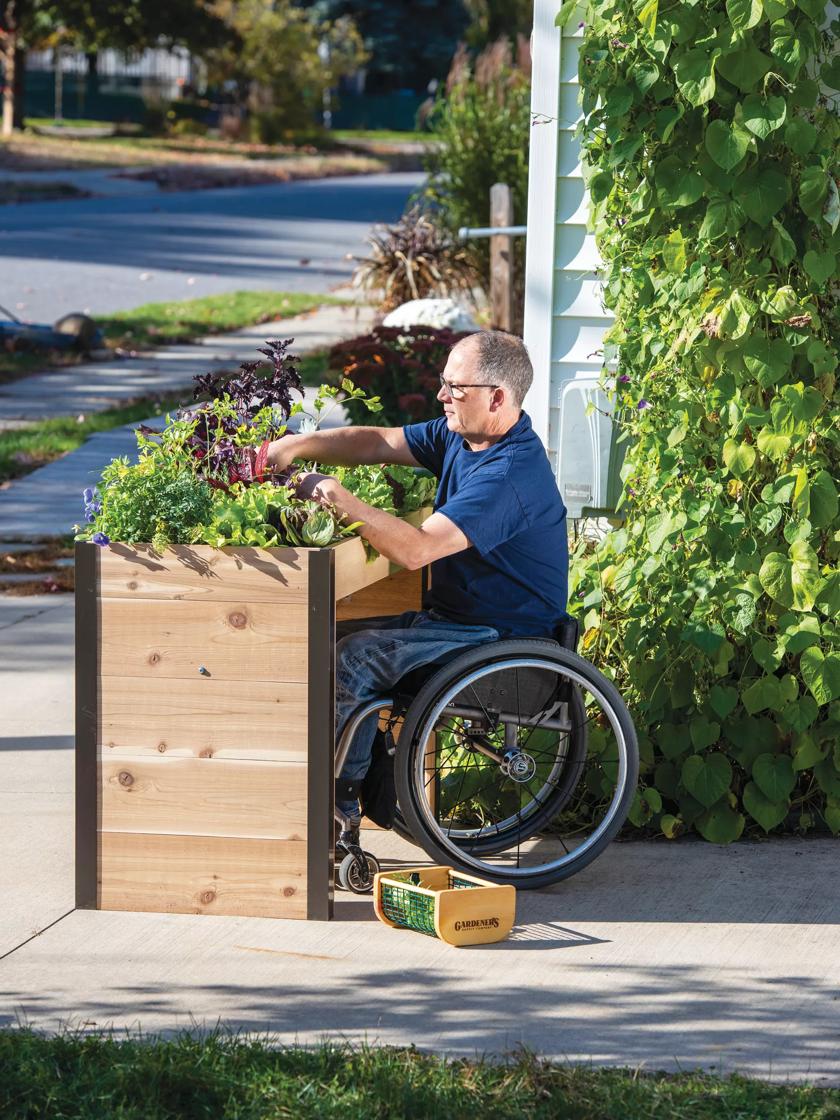
Imagine the sun warming your face as you tend to your garden, the scent of blooming flowers filling the air, and the satisfaction of watching your plants grow. For many, gardening is a therapeutic and rewarding hobby. But what if you're in a wheelchair? Can you still enjoy the pleasures of gardening from a wheelchair? The answer is a resounding yes! Adaptive gardening and wheelchair accessible garden design make it possible for everyone to experience the joy of gardening. Let's dive into the world of disabled gardening and explore how you can create an accessible garden that suits your needs.
Understanding Adaptive Gardening
Adaptive gardening is all about modifying traditional gardening techniques to accommodate physical limitations. Whether you're in a wheelchair, have limited mobility, or face other challenges, adaptive gardening ensures that you can still enjoy the therapeutic benefits of gardening. The key is to design a garden that is wheelchair accessible and tailored to your specific needs.
The Benefits of Adaptive Gardening
Gardening from a wheelchair offers numerous benefits. It provides a sense of accomplishment, promotes physical activity, and can improve mental health. The act of nurturing plants can be incredibly fulfilling, and the beauty of a well-tended garden can bring joy to both you and those around you. Moreover, adaptive gardening encourages independence and self-sufficiency, allowing you to take control of your environment and express your creativity.
Getting Started with Adaptive Gardening
Before you start, it's essential to assess your needs and capabilities. Consider the following questions:
- What type of plants do you want to grow?
- How much space do you have available?
- What are your physical limitations?
- What tools and equipment will you need?
Once you have a clear understanding of your requirements, you can begin planning your wheelchair accessible garden. Think about the layout, the types of plants you want to grow, and the tools you'll need to make gardening easier.
Designing a Wheelchair Accessible Garden
Creating an accessible garden involves thoughtful planning and design. The goal is to make the garden easy to navigate and maintain, even from a wheelchair. Here are some tips to help you design a garden that is both beautiful and functional.
Choosing the Right Location
Select a location that is flat and easily accessible. Avoid slopes or uneven terrain, as these can be challenging to navigate in a wheelchair. Ensure there is enough space for you to maneuver comfortably and that the area receives adequate sunlight for your plants.
Selecting the Right Plants
When choosing plants, opt for varieties that are low-maintenance and easy to care for. Consider plants that are native to your region, as they are more likely to thrive with minimal effort. Raised beds and containers are excellent options for wheelchair accessible gardening, as they allow you to reach the plants more easily. Additionally, consider plants that have sensory appeal, such as fragrant flowers or textured leaves, to enhance your gardening experience.
Using Adaptive Tools and Equipment
Invest in adaptive gardening tools designed to make gardening easier for individuals with disabilities. Long-handled tools, ergonomic grips, and lightweight materials can reduce strain and make gardening more enjoyable. Consider using a garden cart or wheelchair-mounted tool holder to keep your tools within reach. Additionally, adjustable-height planters and tables can make it easier to tend to your plants without having to bend or stretch.
Maintaining Your Accessible Garden
Maintaining your garden is crucial for its long-term success. Regular watering, weeding, and pruning are essential tasks that keep your plants healthy and your garden looking its best. Adaptive gardening techniques can make these tasks more manageable. For example, using drip irrigation systems can simplify watering, while mulching can help control weeds and retain moisture. Regularly inspect your tools and equipment to ensure they are in good working order and replace them as needed.
Inspiration and Resources for Disabled Gardening
There are numerous resources available to help you get started with disabled gardening. Organizations like the American Horticultural Society offer valuable information and support for adaptive gardening. Additionally, online forums and community groups can provide inspiration and advice from fellow gardeners who have faced similar challenges. Don't hesitate to reach out to these resources for guidance and encouragement.
Conclusion
Gardening from a wheelchair is not only possible but also incredibly rewarding. By embracing adaptive gardening techniques and designing a wheelchair accessible garden, you can enjoy the therapeutic benefits of gardening while expressing your creativity and independence. So, why wait? Start planning your accessible garden today and experience the joy of gardening from a wheelchair.
Remember, gardening is a journey, and every step you take brings you closer to a beautiful, thriving garden. With the right tools, techniques, and a bit of creativity, you can create a garden that is both functional and stunning. So, roll up your sleeves (or wheels) and get ready to dig into the world of adaptive gardening!
FAQs
What are the best plants for a wheelchair accessible garden?
Low-maintenance plants that are native to your region are ideal. Consider using raised beds and containers to make it easier to reach and tend to your plants. Fragrant flowers and textured leaves can also enhance your sensory experience.
How can I make my garden more wheelchair accessible?
Choose a flat, easily accessible location for your garden. Use raised beds and containers, and invest in adaptive gardening tools designed for individuals with disabilities. Adjustable-height planters and tables can also make gardening more comfortable.
What tools do I need for adaptive gardening?
Long-handled tools, ergonomic grips, and lightweight materials can reduce strain. Consider using a garden cart or wheelchair-mounted tool holder to keep your tools within reach. Drip irrigation systems and mulching can simplify watering and weeding.
How can I maintain my accessible garden?
Regular watering, weeding, and pruning are essential. Use drip irrigation systems and mulching to simplify maintenance. Inspect your tools and equipment regularly to ensure they are in good working order.
Where can I find resources for disabled gardening?
Organizations like the American Horticultural Society offer valuable information and support. Online forums and community groups can provide inspiration and advice from fellow gardeners who have faced similar challenges.
```
Posting Komentar