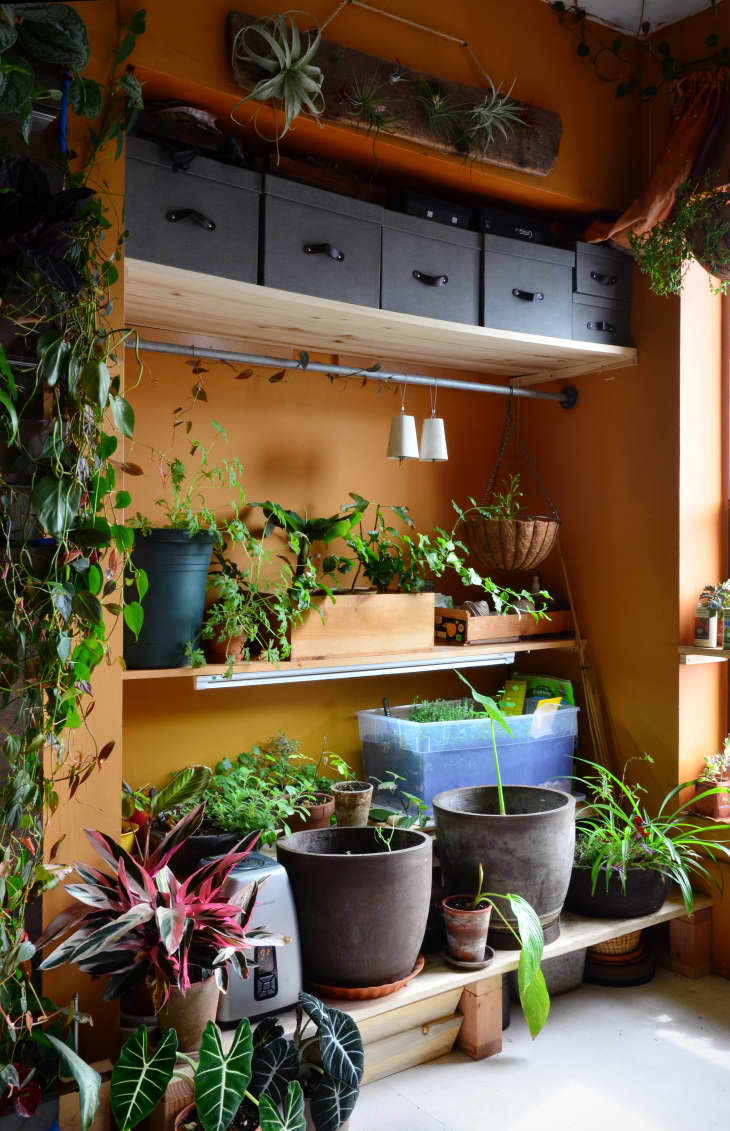
Imagine transforming your living space into a lush, green oasis. Picture the vibrant colors of blooming flowers and the serene rustle of leaves, all within the comfort of your own home. Indoor gardening is not just a trend; it's a lifestyle that brings nature indoors, enhancing both your physical and mental well-being. But can you really grow plants indoors? The answer is a resounding yes! Let's dive into the world of gardening inside home and discover how you can create your own indoor garden paradise.
The Benefits of Indoor Gardening
Indoor gardening offers a multitude of benefits that go beyond mere aesthetics. For starters, indoor plants improve air quality by absorbing toxins and releasing oxygen. This makes your home a healthier place to live. Additionally, houseplants can boost your mood and reduce stress levels, creating a more peaceful and relaxing environment. But the advantages don't stop there. Indoor gardening can also save you money on groceries by providing fresh herbs and vegetables right at your fingertips. So, why not give it a try?
Getting Started with Indoor Gardening
Choosing the Right Plants
When it comes to indoor gardening, not all plants are created equal. Some thrive in indoor conditions, while others struggle. So, how do you choose the right plants for your home? Start by considering the amount of light your space receives. Low-light plants like snake plants and ZZ plants are perfect for dimly lit rooms, while sun-loving plants like succulents and cacti need plenty of sunlight. Don't forget to think about the size of the plant and how it will fit into your decor. Remember, the key to successful indoor gardening is selecting plants that complement your lifestyle and living space.
Creating the Perfect Environment
Once you've chosen your plants, it's time to create the perfect environment for them to thrive. This includes providing the right amount of light, water, and humidity. Most indoor plants prefer bright, indirect light, so place them near a window but avoid direct sunlight. Watering is another crucial aspect of indoor plant care. Overwatering is a common mistake, so make sure to check the soil moisture before watering. As for humidity, some plants like ferns and orchids need higher humidity levels, which you can achieve by misting or using a humidifier. Think of your indoor garden as a mini ecosystem that requires balance and care.
Indoor Gardening Ideas
Now that you have the basics down, let's explore some indoor gardening ideas to inspire you. Vertical gardens are a great way to maximize space, especially if you live in a small apartment. You can use wall-mounted planters or hanging baskets to create a stunning vertical display. Another idea is to repurpose old items like teacups, mason jars, or even shoes into planters. This not only adds a unique touch to your decor but also reduces waste. Don't be afraid to get creative and experiment with different indoor plant growth techniques. The possibilities are endless!
Plant Care Tips for Indoor Gardening
Watering and Feeding
Proper watering and feeding are essential for the health of your indoor plants. Overwatering can lead to root rot, while underwatering can cause wilting and stunted growth. So, how do you strike the right balance? The key is to water your plants when the top inch of soil is dry. This ensures that the roots get the moisture they need without becoming waterlogged. As for feeding, use a balanced liquid fertilizer every 4-6 weeks during the growing season. This provides the necessary nutrients for your plants to thrive. Think of watering and feeding as the lifeblood of your indoor garden, keeping it healthy and vibrant.
Pruning and Propagating
Pruning and propagating are important aspects of indoor plant care that often get overlooked. Pruning helps maintain the shape and size of your plants, encouraging bushier growth and more flowers. It also removes dead or diseased foliage, promoting overall plant health. Propagating, on the other hand, allows you to create new plants from cuttings or divisions, expanding your indoor garden without spending a dime. So, why not give it a try? With a little practice, you'll be a pro at pruning and propagating in no time.
Dealing with Pests and Diseases
Even the healthiest indoor gardens can fall prey to pests and diseases. But don't worry, with the right knowledge and tools, you can keep your plants safe and thriving. Common indoor plant pests include spider mites, aphids, and mealybugs. These tiny critters can wreak havoc on your plants, but you can control them with insecticidal soap or neem oil. As for diseases, overwatering and poor air circulation are often the culprits. To prevent fungal and bacterial infections, make sure to water your plants properly and provide adequate ventilation. Think of pest and disease management as the guardian of your indoor garden, protecting it from harm.
Conclusion
Growing plants indoors is a rewarding experience that brings nature into your home, improving air quality, boosting your mood, and saving you money. By choosing the right plants, creating the perfect environment, and following essential plant care tips, you can create a thriving indoor garden that you'll love. So, why wait? Start your indoor gardening journey today and watch your home transform into a lush, green oasis. Happy gardening!
FAQs
1. What are the easiest indoor plants for beginners?
The easiest indoor plants for beginners include snake plants, ZZ plants, pothos, and spider plants. These plants are low-maintenance and can tolerate a range of conditions, making them perfect for novice gardeners.
2. How often should I water my indoor plants?
The frequency of watering depends on the type of plant and the environment. As a general rule, water your plants when the top inch of soil is dry. This ensures that the roots get the moisture they need without becoming waterlogged.
3. Can I grow vegetables indoors?
Yes, you can grow vegetables indoors! Herbs like basil, parsley, and mint are great for indoor gardening. You can also grow leafy greens like lettuce and spinach, as well as small vegetables like radishes and cherry tomatoes.
4. How do I increase humidity for my indoor plants?
To increase humidity for your indoor plants, you can mist them regularly, use a humidifier, or place a tray of water near the plants. Grouping plants together can also create a microclimate with higher humidity levels.
5. What should I do if my indoor plants have pests?
If your indoor plants have pests, use insecticidal soap or neem oil to control them. Regularly inspect your plants for signs of infestation and maintain good plant hygiene to prevent future outbreaks.
```
Posting Komentar