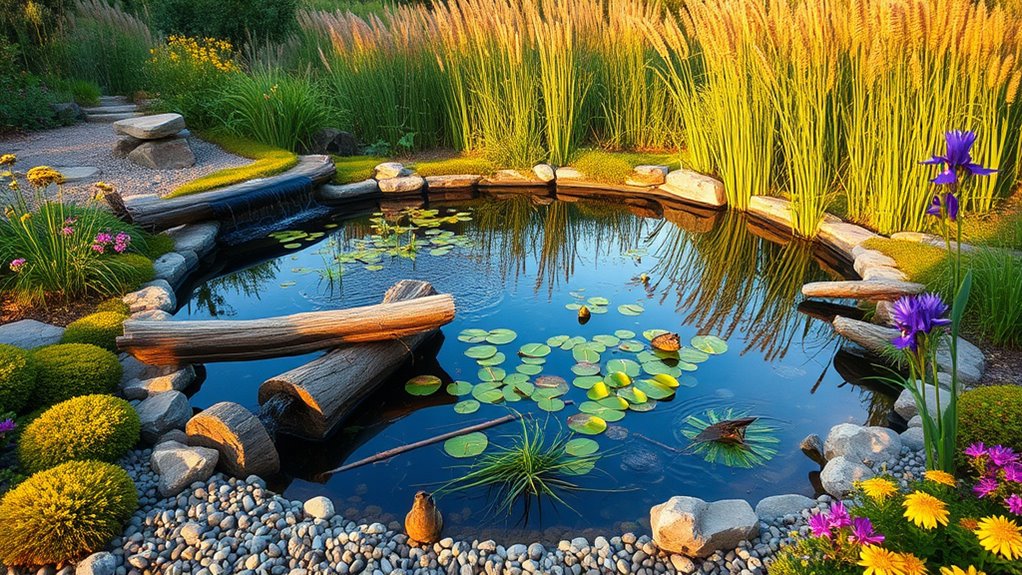
Imagine transforming your backyard into a serene oasis, where the soothing sounds of water and the vibrant colors of aquatic plants create a tranquil escape from the hustle and bustle of daily life. Pond gardening, or water garden design, is an art that combines the beauty of nature with the tranquility of water. Whether you're a seasoned gardener or a novice looking to dip your toes into pond landscaping, this guide will provide you with essential tips and insights to create a stunning and sustainable water garden.
The Magic of Pond Gardening
Pond gardening is more than just a hobby; it's a way to connect with nature and create a harmonious environment in your own backyard. The sight and sound of water can be incredibly calming, making it a perfect addition to any garden. But where do you start? Let's dive into the world of pond gardening and explore the key elements that will help you create a breathtaking water garden.
Choosing the Right Location
The first step in pond gardening is selecting the perfect location for your water feature. Consider a spot that receives a good amount of sunlight, as most aquatic plants thrive in bright conditions. However, avoid areas that are too exposed to strong winds, as this can disturb the water and create unwanted ripples. Think of your pond as a mirror reflecting the sky and surrounding landscape—you want it to be a focal point that enhances the beauty of your garden.
Designing Your Pond
When it comes to water garden design, the possibilities are endless. Whether you prefer a natural, free-form pond or a more structured, geometric shape, the key is to create a design that complements your existing garden. Consider the size of your pond; a larger pond can accommodate a wider variety of aquatic plants and pond fish, while a smaller pond can be just as charming with the right selection of plants and decorations. Remember, the goal is to create a balanced ecosystem where plants, fish, and water coexist harmoniously.
Selecting Aquatic Plants
Aquatic plants are the heart of any water garden. They not only add beauty but also play a crucial role in maintaining the health of your pond. There are three main types of aquatic plants to consider: marginal plants, deep-water plants, and floating plants. Marginal plants, such as irises and cattails, thrive in the shallow edges of the pond. Deep-water plants, like water lilies, add a touch of elegance with their floating leaves and vibrant flowers. Floating plants, such as water hyacinths, provide shade and help control algae growth. When selecting aquatic plants, think of them as the cast of characters in your water garden—each playing a unique role in creating a thriving ecosystem.
Caring for Your Pond Fish
Pond fish care is an essential aspect of pond gardening. Fish add movement and life to your water garden, but they also require proper care to ensure their health and well-being. Choose fish that are suitable for your pond size and climate. Koi and goldfish are popular choices due to their hardiness and vibrant colors. Remember, the key to happy fish is clean water and a balanced diet. Regularly test your water quality and feed your fish a high-quality diet to keep them healthy and active. Think of your fish as the stars of your water garden—give them the care they need to shine brightly.
Maintaining Your Pond
Pond maintenance tips are crucial for keeping your water garden in top condition. Regular maintenance ensures that your pond remains a beautiful and healthy environment for both plants and fish. Here are some essential pond maintenance tips to keep in mind:
Cleaning the Pond
Regular cleaning is essential to prevent the buildup of debris and algae. Remove fallen leaves, twigs, and other debris from the surface of the water. Use a pond vacuum or net to clean the bottom of the pond, removing any accumulated sludge. Think of pond cleaning as a spa day for your water garden—it keeps everything fresh and rejuvenated.
Managing Water Quality
Water quality is the lifeline of your pond. Test your water regularly for pH levels, ammonia, and nitrite concentrations. Use a pond filter to keep the water clean and clear. Consider adding beneficial bacteria to your pond to help break down waste and maintain a healthy ecosystem. Think of water quality as the foundation of your water garden—it supports the health and beauty of everything in it.
Winterizing Your Pond
As the seasons change, so do the needs of your pond. Winterizing your pond is essential to protect your plants and fish from the cold. Remove any dead or dying plants and trim back marginal plants. Consider using a pond heater or de-icer to keep a portion of the pond surface ice-free, allowing for gas exchange and preventing the buildup of harmful gases. Think of winterizing as tucking your water garden in for a cozy winter's nap—it ensures that everything is safe and sound until spring.
Embracing the Beauty of Pond Gardening
Pond gardening is a rewarding and fulfilling hobby that allows you to create a serene and beautiful oasis in your own backyard. By following these tips and insights, you can transform your garden into a stunning water garden that brings joy and tranquility to your life. So, why wait? Dive into the world of pond gardening and discover the magic of water garden design for yourself.
Remember, the key to successful pond gardening is patience and attention to detail. With the right location, design, plants, and maintenance, you can create a water garden that is not only beautiful but also sustainable. So, roll up your sleeves, grab your gardening gloves, and get ready to create a water garden that will be the envy of your neighborhood.
Conclusion
Pond gardening across the pond is an art that combines the beauty of nature with the tranquility of water. By choosing the right location, designing your pond thoughtfully, selecting the perfect aquatic plants, caring for your pond fish, and maintaining your pond regularly, you can create a stunning and sustainable water garden. So, embrace the magic of pond gardening and transform your backyard into a serene oasis that brings joy and tranquility to your life. Happy gardening!
FAQs
1. What are the best aquatic plants for a beginner's pond?
For beginners, it's best to start with hardy and low-maintenance aquatic plants. Some great options include water lilies, irises, and cattails. These plants are easy to care for and add beauty to your pond.
2. How often should I clean my pond?
The frequency of pond cleaning depends on the size of your pond and the amount of debris it collects. As a general rule, aim to clean your pond at least once a month during the growing season. Regular cleaning helps prevent the buildup of debris and algae, keeping your pond healthy and beautiful.
3. What type of fish are suitable for a small pond?
For small ponds, it's best to choose fish that are compact and hardy. Goldfish and small koi are popular choices due to their vibrant colors and ease of care. Remember to consider the size of your pond and the number of fish it can comfortably support.
4. How can I control algae growth in my pond?
Controlling algae growth in your pond involves a combination of regular maintenance and the use of aquatic plants. Floating plants, such as water hyacinths, provide shade and help control algae growth. Additionally, using a pond filter and beneficial bacteria can help keep your water clean and clear.
5. What should I do to prepare my pond for winter?
Preparing your pond for winter involves removing dead or dying plants, trimming back marginal plants, and considering the use of a pond heater or de-icer. These steps help protect your plants and fish from the cold and ensure that your pond remains healthy and beautiful throughout the winter months.
```
Posting Komentar