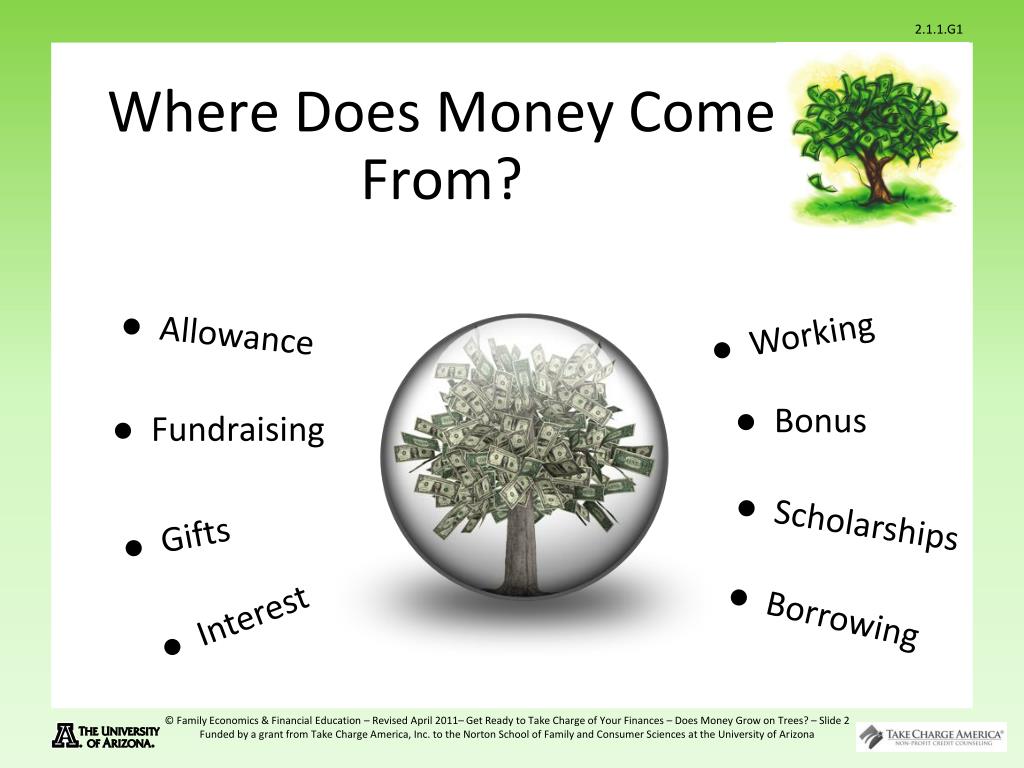
Imagine walking through a lush forest, the sun filtering through the canopy, and stumbling upon a tree laden with shiny, crisp bills. Sounds like a dream, right? The phrase "does money grow on trees?" is often used to dismiss the idea of easy wealth. But let's dive deeper into the fascinating intersection of nature and money, and explore the financial myths and economic education that can help us understand where money truly comes from.
Understanding Money Creation
First, let's address the elephant in the room: does money grow on trees? The short answer is no, money does not literally grow on trees. However, the metaphorical answer is a bit more nuanced. Money, as we know it, is a human creation, a symbol of value that we collectively agree upon. It doesn't sprout from the ground like a mushroom, but it does have roots in our society and economy.
The Roots of Money
To understand money creation, we need to look back at history. Early forms of money included barter systems, where goods and services were exchanged directly. Over time, societies moved to more standardized forms of currency, such as coins and paper bills. Today, money creation involves complex processes managed by central banks and financial institutions. These processes are far removed from the simplicity of a tree bearing fruit.
Consider this: if money grew on trees, everyone would be rich, right? But in reality, money is created through a combination of factors, including economic policies, interest rates, and the supply and demand of goods and services. It's a delicate balance that requires careful management to keep the economy stable.
Financial Myths Debunked
There are many financial myths that cloud our understanding of money. One of the most persistent is the idea that money is a finite resource, like gold or silver. In truth, money is a social construct, and its value is determined by our collective belief in it. This is why central banks can create money out of thin air, so to speak, through processes like quantitative easing.
The Myth of Scarcity
Another common myth is that money is scarce. While it's true that physical currency has a limited supply, the concept of money extends far beyond coins and bills. In today's digital age, money exists in the form of electronic transactions, cryptocurrencies, and even virtual currencies in online games. The idea that money is scarce is a relic of a bygone era, and it's time we update our understanding to reflect the modern financial landscape.
Nature and Money: A Symbolic Connection
While money doesn't literally grow on trees, there is a deep symbolic connection between nature and money. Trees, with their roots deeply embedded in the earth and their branches reaching for the sky, have long been a symbol of growth, stability, and prosperity. In many cultures, trees are seen as a source of life and abundance, qualities that we also associate with money.
Tree Symbolism in Economics
In economics, the concept of a "money tree" is often used to illustrate the idea of unlimited resources. Just as a tree can produce an abundance of fruit, the money tree is a metaphor for the potential for endless wealth. However, like a real tree, the money tree requires care and nurturing to thrive. It's not enough to simply plant the seed and hope for the best; we must also tend to the soil, provide water, and protect it from pests and disease.
Think of it this way: if you want a tree to bear fruit, you need to invest time and effort into its care. The same is true for money. To create wealth, we need to invest in our education, our skills, and our businesses. We need to save, budget, and make smart financial decisions. In other words, we need to cultivate our own money tree.
The Importance of Economic Education
Understanding where money comes from and how it works is crucial for financial literacy. Economic education is not just about learning how to balance a checkbook or invest in the stock market; it's about understanding the underlying principles that govern our financial system. It's about knowing the difference between a dollar bill and a piece of paper, and understanding the value that we ascribe to it.
Empowering Yourself Through Knowledge
So, how can you empower yourself through economic education? Start by learning the basics of money creation and financial systems. Read books, attend workshops, and seek out resources that can help you understand the complexities of the modern economy. The more you know, the better equipped you'll be to make informed financial decisions and navigate the world of money.
Remember, knowledge is power. The more you understand about money, the less mysterious and intimidating it becomes. And the less you rely on financial myths and misconceptions, the more control you'll have over your financial future.
Conclusion
So, does money grow on trees? No, but the metaphor holds a deeper truth. Just as a tree needs care and nurturing to thrive, so does our understanding of money. By debunking financial myths, exploring the symbolic connection between nature and money, and investing in economic education, we can cultivate our own money tree and achieve financial prosperity.
So, are you ready to plant your own money tree? Start by educating yourself, making smart financial decisions, and nurturing your wealth. The journey to financial literacy is a lifelong one, but with the right tools and knowledge, you can grow your wealth and achieve your financial goals.
FAQs
1. What is the origin of the phrase "money doesn't grow on trees"?
The phrase "money doesn't grow on trees" is a common idiom used to express the idea that money is not easily obtained. Its exact origin is unclear, but it has been in use for centuries and is found in various forms in different languages. The phrase underscores the effort and work required to earn money, contrasting it with the ease of picking fruit from a tree.
2. How is money created in modern economies?
In modern economies, money is created through a combination of processes managed by central banks and financial institutions. This includes the printing of physical currency, the issuance of digital money, and the creation of money through lending and other financial activities. Central banks also use tools like quantitative easing to inject money into the economy.
3. What role does economic education play in financial literacy?
Economic education is crucial for financial literacy as it provides individuals with the knowledge and skills needed to make informed financial decisions. It helps debunk financial myths, understand the complexities of the financial system, and empower individuals to manage their money effectively. Economic education can be gained through formal education, self-study, workshops, and other resources.
4. How can understanding the symbolism of trees help in financial planning?
Understanding the symbolism of trees can help in financial planning by emphasizing the need for long-term growth and stability. Just as a tree requires consistent care and nurturing to thrive, financial planning involves consistent effort, smart decisions, and a long-term perspective. This metaphor can motivate individuals to invest in their financial future and cultivate their wealth over time.
5. What are some common financial myths that need debunking?
Some common financial myths include the idea that money is a finite resource like gold or silver, that money is scarce, and that wealth is solely determined by luck or inheritance. Debunking these myths involves understanding that money is a social construct, that its value is determined by collective belief, and that wealth can be created through education, hard work, and smart financial decisions.
```
Posting Komentar