Imagine navigating a bustling marketplace where opportunities abound, but the rules of the game are constantly changing. Welcome to the economic landscape under Trump's administration. With Trump's economic policies shaping the financial terrain, savvy investors and entrepreneurs are finding unique ways to capitalize on the shifting dynamics. Whether you're a seasoned investor or just dipping your toes into wealth management, understanding how to make money under Trump can be your key to financial success. So, let's dive in and explore the strategies that can help you thrive in this ever-evolving economy.
Understanding Trump's Economic Policies
To make money under Trump, you first need to grasp the fundamentals of his economic policies. Trump's administration has been marked by significant changes in tax laws, trade agreements, and regulatory environments. These shifts have created both challenges and opportunities for investors and businesses alike. For instance, the Tax Cuts and Jobs Act of 2017 lowered corporate tax rates, providing a boost to many companies' bottom lines. Similarly, the administration's focus on deregulation has opened up new avenues for growth in various sectors.
Tax Reforms and Their Impact
One of the most significant changes under Trump's economic policies has been the overhaul of the tax code. The Tax Cuts and Jobs Act reduced the corporate tax rate from 35% to 21%, making the U.S. more competitive on the global stage. For individuals, the act also lowered tax rates across most brackets, putting more money in the pockets of consumers. But how can you leverage these changes to your advantage? By understanding the nuances of the new tax laws, you can optimize your financial strategies and maximize your returns. For example, taking advantage of deductions and credits can significantly reduce your tax liability, freeing up more capital for investment.
Trade Policies and Global Opportunities
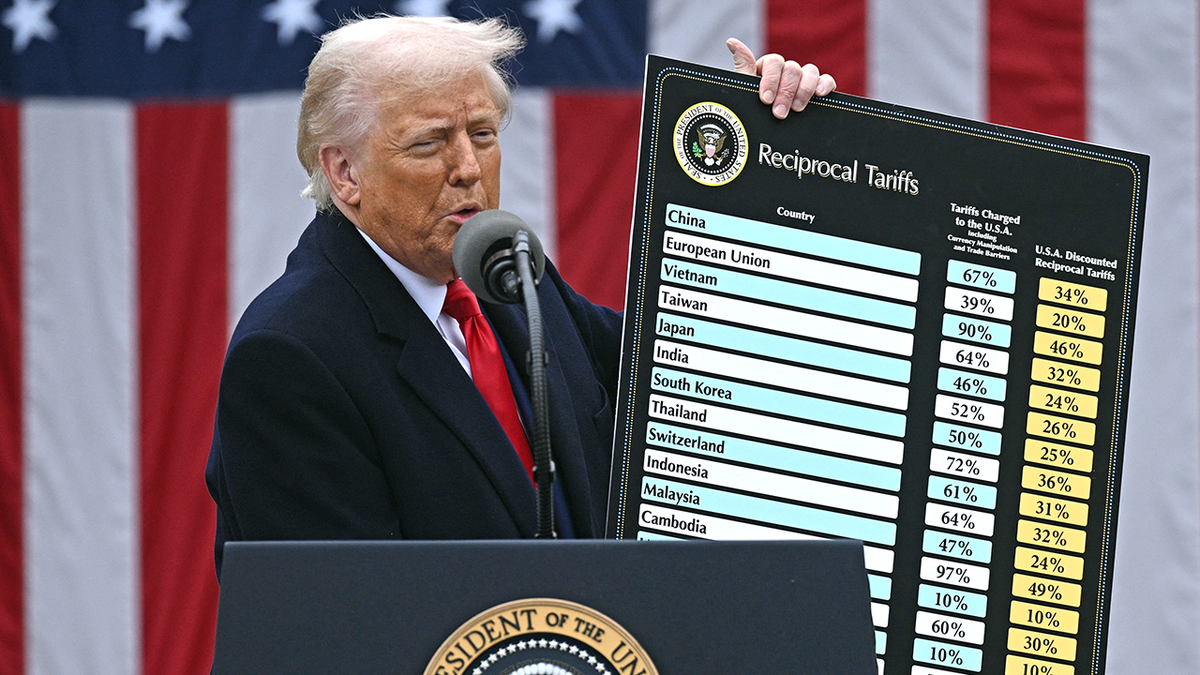
Trump's trade policies have been a hot topic, with tariffs and trade agreements reshaping the global economic landscape. While some industries have faced headwinds due to increased tariffs, others have seen new opportunities emerge. For instance, the U.S.-Mexico-Canada Agreement (USMCA) replaced NAFTA, providing a more favorable trade environment for certain sectors. By staying informed about these changes, you can identify industries poised for growth and invest accordingly. For example, the technology and renewable energy sectors have seen significant growth due to favorable trade policies, making them attractive investment opportunities.
Financial Strategies for Economic Growth
With Trump's economic policies in mind, let's explore some practical financial strategies that can help you make money under Trump. Whether you're looking to invest in stocks, real estate, or start your own business, these strategies can set you on the path to financial success.
Investment Tips for Stock Market Success
The stock market has been a rollercoaster under Trump's administration, with volatility presenting both risks and opportunities. To navigate this landscape, consider diversifying your portfolio. By spreading your investments across different sectors and asset classes, you can mitigate risks and capitalize on growth opportunities. For example, investing in technology stocks can provide high returns, but balancing this with more stable investments like utilities or healthcare can protect your portfolio from market fluctuations. Additionally, staying informed about economic indicators and market trends can help you make timely investment decisions. For instance, keeping an eye on interest rates, inflation, and unemployment data can provide valuable insights into market movements.
Real Estate: A Tangible Asset for Wealth Management
Real estate has long been a favored asset class for wealth management, and under Trump's administration, it continues to offer attractive opportunities. With tax reforms providing benefits for real estate investors, now is an excellent time to explore this sector. Whether you're looking to invest in residential properties, commercial real estate, or real estate investment trusts (REITs), there are numerous ways to generate passive income and build wealth. For example, investing in rental properties can provide a steady stream of income, while flipping houses can offer significant short-term gains. Additionally, the Trump administration's focus on infrastructure development has created opportunities in commercial real estate, particularly in sectors like logistics and warehousing.
Entrepreneurship: Seizing Opportunities in a Changing Economy
For those with an entrepreneurial spirit, Trump's economic policies present unique opportunities to start or grow a business. With deregulation and tax reforms creating a more favorable business environment, now is an ideal time to launch your venture. Whether you're looking to innovate in a new industry or disrupt an existing one, understanding the regulatory landscape and leveraging tax benefits can give you a competitive edge. For example, the administration's focus on innovation and technology has created opportunities in sectors like artificial intelligence, blockchain, and renewable energy. By staying ahead of the curve and identifying emerging trends, you can position your business for success in this dynamic economy.
Navigating the Economic Landscape
Making money under Trump requires a proactive approach and a willingness to adapt to changing conditions. By staying informed about economic policies, leveraging financial strategies, and seizing opportunities in the market, you can position yourself for financial success. Whether you're an investor, entrepreneur, or simply looking to manage your wealth more effectively, understanding the nuances of Trump's economic policies can be your key to unlocking new opportunities.
Conclusion
In conclusion, making money under Trump involves a combination of understanding economic policies, implementing effective financial strategies, and staying agile in a changing market. By diversifying your investments, exploring real estate opportunities, and leveraging tax reforms, you can navigate the economic landscape and achieve your financial goals. So, are you ready to take control of your financial future and make the most of the opportunities presented by Trump's administration? The time to act is now.
FAQs
1. What are the key tax reforms under Trump's administration?
The Tax Cuts and Jobs Act of 2017 is the most significant tax reform under Trump's administration. It lowered the corporate tax rate to 21% and reduced individual tax rates across most brackets. Additionally, it increased the standard deduction and limited certain itemized deductions.
2. How can I diversify my investment portfolio?
Diversifying your investment portfolio involves spreading your investments across different asset classes, sectors, and geographies. This can include stocks, bonds, real estate, commodities, and alternative investments. By doing so, you can mitigate risks and capitalize on growth opportunities in various markets.
3. What are the benefits of investing in real estate under Trump's policies?
Trump's tax reforms provide several benefits for real estate investors, including the ability to deduct mortgage interest and property taxes. Additionally, the administration's focus on infrastructure development has created opportunities in commercial real estate, particularly in sectors like logistics and warehousing.
4. How can entrepreneurs leverage Trump's economic policies?
Entrepreneurs can leverage Trump's economic policies by taking advantage of deregulation and tax reforms. This can create a more favorable business environment, making it easier to start or grow a venture. Additionally, staying informed about emerging trends and identifying opportunities in sectors like technology and innovation can give entrepreneurs a competitive edge.
5. What are some key economic indicators to watch under Trump's administration?
Key economic indicators to watch under Trump's administration include interest rates, inflation, unemployment data, and GDP growth. These indicators can provide valuable insights into market movements and help investors make informed decisions. Additionally, staying informed about trade policies and regulatory changes can help you navigate the economic landscape more effectively.
```
Posting Komentar