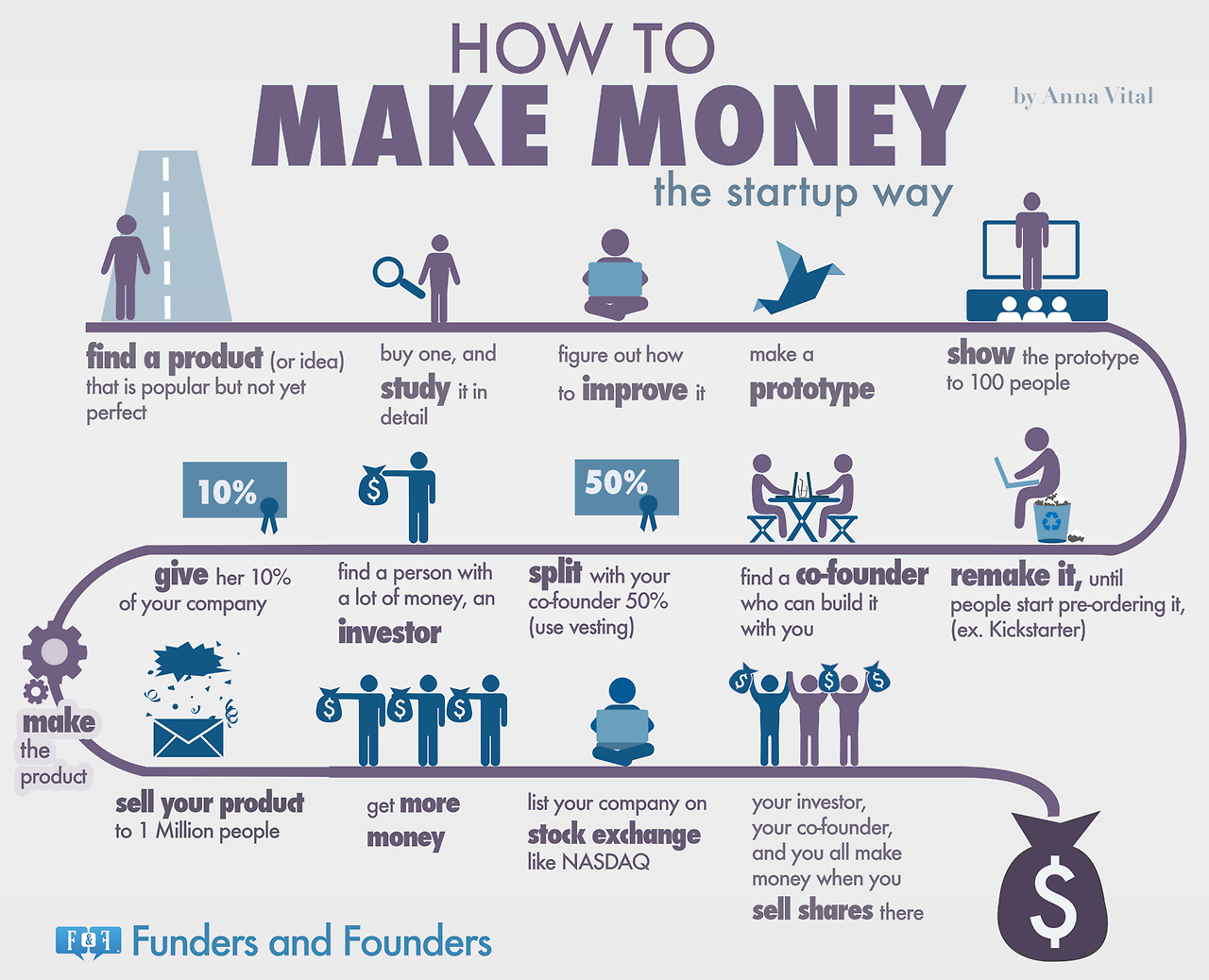
Imagine stepping back in time, to an era where the concept of income generation was vastly different from what we know today. How did people make money in the past? The answer is a fascinating journey through historical wealth accumulation, past economic practices, and ingenious money-making strategies. From bartering to trading, from craftsmanship to entrepreneurship, the methods of financial history are as diverse as they are intriguing. Let's dive into the past and explore how our ancestors turned their skills and resources into wealth.
The Art of Bartering
In the early days of human civilization, money as we know it did not exist. Instead, people relied on the art of bartering. Bartering is the direct exchange of goods and services without the use of currency. It was a simple yet effective way of income generation. For example, a farmer might exchange a basket of fresh vegetables for a pair of shoes from a cobbler. This system worked well in small, tightly-knit communities where trust and mutual need were high.
But what happens when you need something that no one in your community has? This is where the concept of trade routes came into play. Merchants would travel long distances, carrying goods from one region to another, exchanging them for items that were scarce or non-existent in their home communities. These trade routes were the lifelines of past economic practices, connecting distant lands and fostering cultural exchange.
The Rise of Currency
As societies grew more complex, the need for a standardized medium of exchange became apparent. This led to the rise of currency. The first known currencies were often made from precious metals like gold and silver, which were valued for their rarity and durability. Coins were minted and used for transactions, making it easier to conduct business over longer distances and with larger sums of money.
But how did people make money when currency was scarce? In many cases, they turned to alternative forms of wealth. Land, for instance, was a valuable asset. Owning fertile land meant a steady supply of food, which could be sold or bartered. Similarly, livestock was a form of mobile wealth, providing meat, milk, and other products that could be traded.
The Craftsman's Path
Craftsmanship was another key money-making strategy in the past. Skilled artisans, such as blacksmiths, weavers, and potters, could create goods that were in high demand. These craftsmen often had workshops where they would produce their wares and sell them at local markets. Their income generation depended on their skill, reputation, and the quality of their products.
Consider the blacksmith, for example. In a world where metal tools and weapons were essential, a skilled blacksmith was a valuable member of the community. His income generation came from the labor of his hands and the fire of his forge. The same was true for weavers, who created fabrics and clothing, and potters, who made vessels for storage and cooking.
The Entrepreneurial Spirit
Even in the past, there were those who saw opportunities where others saw only challenges. These entrepreneurial spirits were the pioneers of financial history, finding innovative ways to make money. For instance, some people started inns or taverns, providing travelers with a place to rest and eat. Others became money lenders, offering loans to those in need and charging interest on the repayment.
But how did people make money in times of hardship? During periods of famine or war, traditional income generation methods might fail. In such times, people often turned to more desperate measures, such as looting or pillaging. However, these were not sustainable money-making strategies and often led to further conflict and suffering.
The Role of Guilds and Associations
In medieval Europe, guilds played a significant role in the economy. These were associations of artisans and merchants who shared a common trade. Guilds regulated the quality of goods, set prices, and ensured fair competition. They also provided support to their members, such as training and financial assistance in times of need. For a craftsman, joining a guild was a crucial step in establishing a reliable income generation.
But how did people make money outside of these structured systems? In many cases, they turned to informal networks of friends and family. These networks provided mutual support, sharing resources and opportunities. For example, a farmer might help a neighbor with harvesting in exchange for a share of the crop. This kind of cooperation was essential for survival in many communities.
Conclusion
So, how did people make money in the past? The answer is as varied as human history itself. From bartering and trading to craftsmanship and entrepreneurship, our ancestors found countless ways to generate income and build wealth. Their strategies, though often simple, were ingenious and adapted to the challenges of their times. As we look back on these past economic practices, we gain a deeper appreciation for the resilience and creativity of human beings.
Next time you handle money, take a moment to reflect on the journey it has taken to become the convenient tool it is today. And remember, the principles of financial history are still relevant. Whether you're bartering skills, trading goods, or innovating new products, the spirit of income generation is alive and well. So, what's your money-making strategy?
FAQs
1. What was the first form of currency?
The first known currencies were often made from precious metals like gold and silver. These metals were valued for their rarity and durability, making them ideal for use as a medium of exchange.
2. How did bartering work in ancient societies?
Bartering involved the direct exchange of goods and services without the use of currency. For example, a farmer might exchange a basket of fresh vegetables for a pair of shoes from a cobbler. This system worked well in small, tightly-knit communities where trust and mutual need were high.
3. What role did guilds play in medieval economics?
Guilds were associations of artisans and merchants who shared a common trade. They regulated the quality of goods, set prices, and ensured fair competition. Guilds also provided support to their members, such as training and financial assistance in times of need.
4. How did entrepreneurs make money in the past?
Entrepreneurs in the past found innovative ways to make money, such as starting inns or taverns, providing travelers with a place to rest and eat. Others became money lenders, offering loans to those in need and charging interest on the repayment.
5. What were some alternative forms of wealth in the past?
Alternative forms of wealth included land and livestock. Owning fertile land meant a steady supply of food, which could be sold or bartered. Livestock provided meat, milk, and other products that could be traded, making them valuable assets.
```
Posting Komentar