Imagine surfing the web without the constant barrage of pop-ups, banners, and auto-playing videos. Sounds like a dream, right? For millions of users, this dream is a reality thanks to ad blockers. But have you ever wondered how these tools make money? After all, they're providing an ad-free browsing experience, which seems counterintuitive to traditional monetization methods. Let's dive into the fascinating world of ad blocking technology and explore how ad blockers generate revenue.
Understanding Ad Blockers
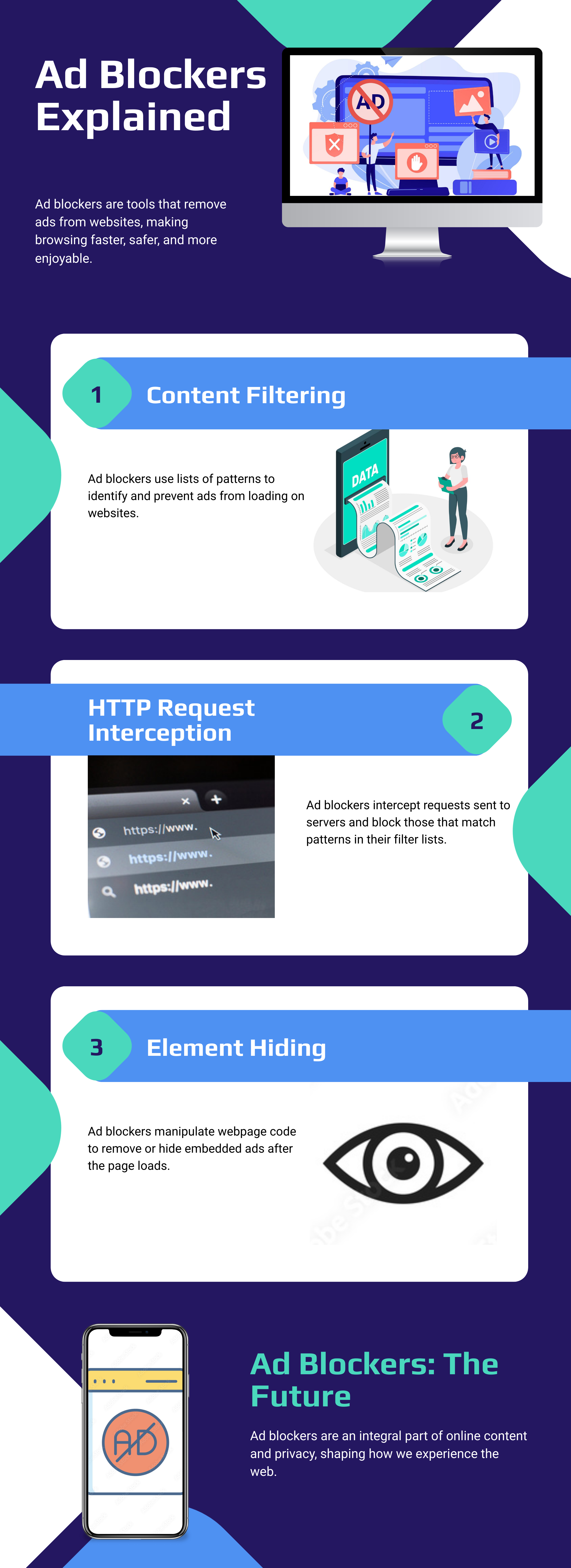
Ad blockers are tools designed to prevent advertisements from displaying on websites. They work by filtering out content from known ad servers, ensuring a smoother and faster browsing experience. But how do these tools sustain themselves financially when they're essentially blocking the very thing that funds most of the internet?
Monetization Methods
Subscription Services
One of the primary ways ad blockers generate revenue is through subscription services. Users can opt for a free version with basic features or pay for a premium subscription that offers advanced functionalities. This model is similar to software-as-a-service (SaaS) businesses, where users pay a recurring fee for access to enhanced features. For instance, some ad blockers offer additional privacy protections, customizable filters, and support for multiple devices as part of their premium packages.
Think of it like a coffee shop. You can grab a free cup of coffee (basic ad blocker), but if you want a fancier brew with extra shots of espresso and a fancy latte art (advanced features), you'll need to pay a bit more.
Acceptable Ads Program
Another intriguing monetization method is the Acceptable Ads program. This initiative allows certain non-intrusive ads to bypass the ad blocker, provided they meet specific criteria. Advertisers pay to have their ads whitelisted, ensuring they reach users who might otherwise block them. This approach balances user experience with the need for advertisers to reach their audience. It's a win-win situation where users get a cleaner browsing experience, and advertisers get a chance to be seen.
It's like having a VIP section in a nightclub. Only the best-behaved patrons (acceptable ads) get in, ensuring a pleasant experience for everyone.
Donations and Crowdfunding
Some ad blockers rely on donations and crowdfunding to sustain their operations. Users who appreciate the service can contribute financially, helping to cover development costs and maintain the tool. This model is more community-driven and relies on the goodwill of users who value the ad-free browsing experience. Platforms like Patreon or Ko-fi are often used to facilitate these donations.
It's akin to supporting your favorite indie band. You appreciate their music (ad-free browsing), so you chip in a few bucks to help them keep making it.
Partnerships and Affiliates
Ad blockers can also generate revenue through partnerships and affiliate marketing. By partnering with other services or products, ad blockers can earn a commission for referrals. For example, an ad blocker might partner with a VPN service and earn a percentage of the sales generated through their referral links. This method leverages the trust and user base of the ad blocker to drive traffic to partner services.
It's similar to a bookstore recommending a great novel. If you buy the book through their recommendation, the bookstore gets a small cut. It's a mutually beneficial arrangement.
The Importance of User Privacy
One of the key selling points of ad blockers is their emphasis on user privacy. By blocking ads, these tools also prevent tracking scripts from collecting user data. This focus on privacy is a significant draw for users concerned about their online footprint. Ad blockers often highlight their commitment to user privacy as a core value, which can attract users who are wary of data collection practices.
In an era where data breaches and privacy concerns are rampant, ad blockers stand out as champions of user privacy. They act as a shield, protecting users from the prying eyes of advertisers and data brokers.
Conclusion
So, how do ad blockers make money? The answer lies in a combination of subscription services, the Acceptable Ads program, donations, and strategic partnerships. These monetization methods allow ad blockers to sustain their operations while providing users with an ad-free browsing experience. As the demand for user privacy and ad-free environments continues to grow, ad blockers are poised to play an increasingly important role in the digital landscape.
Whether you're a tech-savvy user or someone just looking for a better browsing experience, understanding how ad blockers generate revenue can help you make informed decisions. So, the next time you enjoy an ad-free webpage, remember the intricate monetization strategies that make it possible.
FAQs
1. What is the Acceptable Ads program?
The Acceptable Ads program is an initiative that allows certain non-intrusive ads to bypass ad blockers. Advertisers pay to have their ads whitelisted, ensuring they reach users who might otherwise block them. This program aims to balance user experience with the need for advertisers to reach their audience.
2. How do ad blockers protect user privacy?
Ad blockers protect user privacy by blocking tracking scripts that collect user data. By preventing these scripts from running, ad blockers help users maintain their online anonymity and reduce the risk of data breaches.
3. Can I use an ad blocker for free?
Yes, many ad blockers offer a free version with basic features. However, for advanced functionalities and additional privacy protections, users can opt for a premium subscription.
4. What are the benefits of using an ad blocker?
The benefits of using an ad blocker include a faster and smoother browsing experience, reduced data usage, and enhanced user privacy. Ad blockers also help users avoid annoying and intrusive ads, making their online experience more enjoyable.
5. How do ad blockers generate revenue through partnerships?
Ad blockers can generate revenue through partnerships and affiliate marketing. By partnering with other services or products, ad blockers can earn a commission for referrals. For example, an ad blocker might partner with a VPN service and earn a percentage of the sales generated through their referral links.
```
Posting Komentar