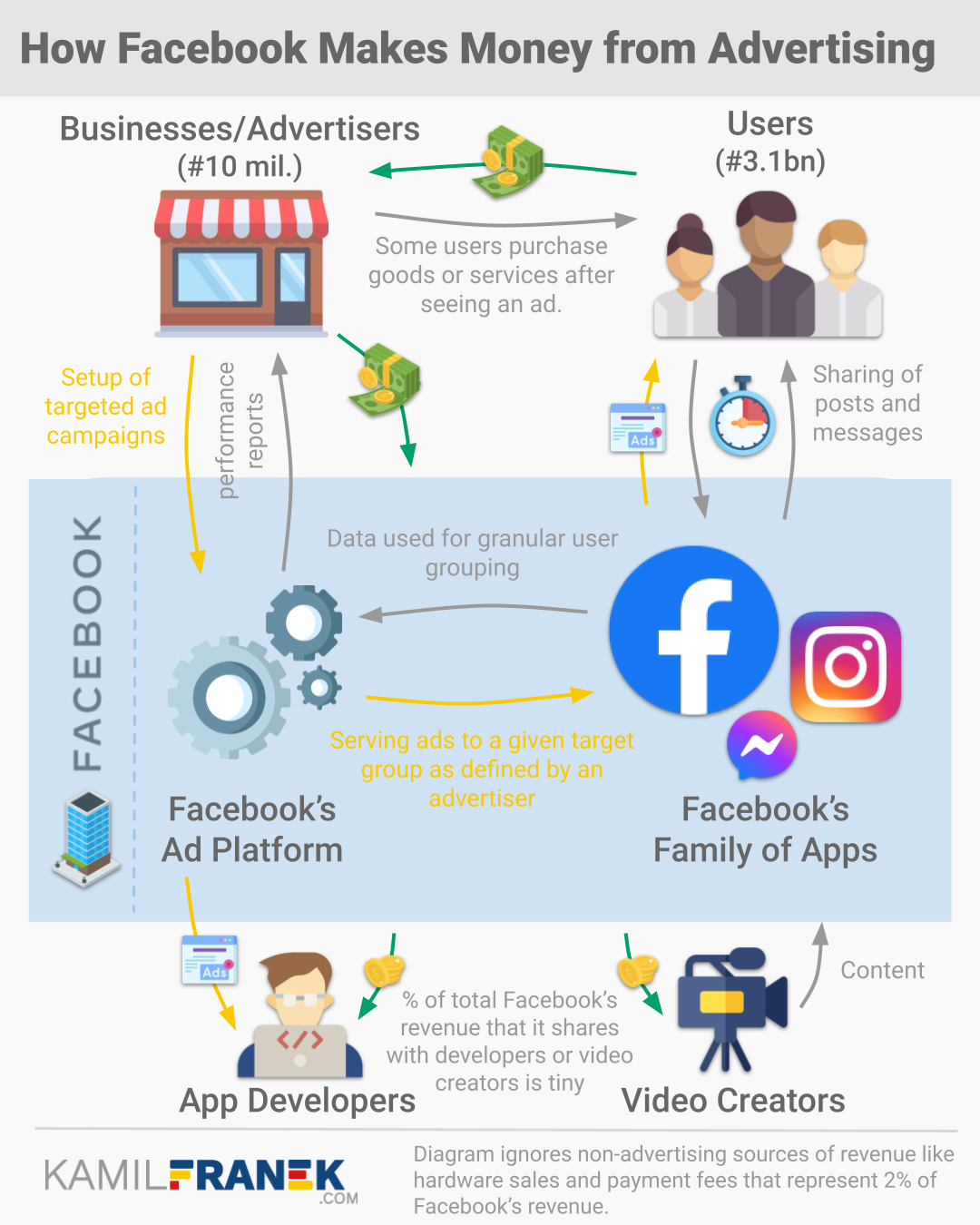
Imagine walking into a bustling marketplace. Vendors are shouting out their offers, trying to catch your attention. Some are selling fresh produce, others are hawking handmade crafts. Now, picture this marketplace as the digital world, and the vendors as advertisers. How do these digital vendors make money? How does ad make money in this vast, virtual marketplace? Let's dive in and explore the fascinating world of digital advertising and monetization strategies.
Understanding the Basics of Ad Revenue
At its core, ad revenue is the income generated from displaying advertisements. Whether it's a banner ad on a website, a sponsored post on social media, or a video ad on YouTube, the goal is the same: to capture the attention of potential customers and convert that attention into profit. But how does this process work? Let's break it down.
The Role of Ad Networks
Ad networks act as intermediaries between advertisers and publishers. Think of them as the matchmakers of the digital advertising world. They connect businesses looking to advertise with websites or apps that have the right audience. Ad networks use sophisticated algorithms to ensure that the ads shown are relevant to the users, thereby increasing the chances of engagement and conversion.
For example, if you run a blog about fitness, an ad network might pair you with advertisers selling fitness equipment or supplements. This synergy ensures that the ads are not only seen but also acted upon, generating ad revenue for both the publisher and the advertiser.
Pay-Per-Click (PPC) Advertising
One of the most common monetization strategies in digital advertising is pay-per-click (PPC). In this model, advertisers pay a fee each time one of their ads is clicked. It's like paying rent for a storefront in a high-traffic area—you only pay when someone walks into your store. PPC is particularly popular because it allows advertisers to measure the effectiveness of their ads in real-time.
For instance, if you're running a PPC campaign for your e-commerce site, you can track how many clicks your ads receive and how many of those clicks convert into sales. This data helps you refine your advertising strategy, ensuring that you're getting the most bang for your buck.
Monetization Strategies for Publishers
As a publisher, your primary goal is to attract and engage an audience. But how do you turn that engagement into ad revenue? Let's explore some effective monetization strategies.
Display Ads
Display ads are the bread and butter of many publishers. These are the banner ads, sidebar ads, and pop-ups that you see on websites. They can be static images, animated GIFs, or even interactive elements. The key to successful display advertising is relevance and placement. Ads that blend seamlessly with the content and are placed in high-visibility areas tend to perform better.
For example, if you're reading an article about travel destinations, you might see ads for travel agencies or booking sites. These ads are not only relevant but also strategically placed to catch your eye, increasing the likelihood of a click.
Native Ads
Native ads are designed to blend in with the content of the website or app. They look and feel like part of the natural user experience, making them less intrusive and more engaging. Native ads can appear as recommended articles, sponsored social media posts, or in-feed ads on platforms like Instagram or Facebook.
Think of native ads as the undercover agents of the advertising world. They sneak into your content, providing valuable information or entertainment, and only reveal their true purpose when you engage with them. This subtle approach can be highly effective in capturing user attention and driving ad revenue.
Video Ads
Video ads are a powerful tool in the digital advertising arsenal. They can be pre-roll (playing before the main video), mid-roll (playing during the main video), or post-roll (playing after the main video). Video ads are particularly effective because they combine visual and auditory elements, making them more engaging and memorable.
For instance, if you're watching a tutorial on YouTube, you might see a pre-roll ad for a related product. The ad captures your attention with a compelling story or demonstration, making you more likely to remember the brand and take action.
Maximizing Ad Revenue
So, how do you maximize your ad revenue? It's all about understanding your audience and optimizing your ad placements. Here are some tips to help you get the most out of your digital advertising efforts.
Know Your Audience
The first step in maximizing ad revenue is to know your audience inside out. Who are they? What are their interests and behaviors? What kind of content do they engage with? The more you understand your audience, the better you can tailor your ads to meet their needs and preferences.
For example, if your audience is primarily young adults interested in technology, you might focus on ads for the latest gadgets or software. By aligning your ads with your audience's interests, you increase the chances of engagement and conversion.
Optimize Ad Placements
The placement of your ads can significantly impact their performance. Ads that are placed in high-visibility areas, such as above the fold or within the main content, tend to perform better. However, it's also important to consider the user experience. Ads that are too intrusive or disruptive can drive users away, reducing your overall engagement and revenue.
Think of ad placements as the real estate of your website. You want to choose the prime locations that will get the most attention without compromising the user experience. Experiment with different placements and use analytics to track their performance, adjusting as needed to maximize your ad revenue.
Conclusion
Understanding how ads make money is crucial for anyone involved in digital advertising. From ad networks and PPC advertising to display, native, and video ads, there are numerous strategies and tools at your disposal. The key is to know your audience, optimize your ad placements, and continuously refine your approach based on data and feedback.
So, are you ready to dive into the world of digital advertising and start generating ad revenue? Remember, the digital marketplace is always evolving, so stay curious, stay informed, and most importantly, stay adaptable. The possibilities are endless, and the potential for profit is immense. Happy advertising!
FAQs
1. What is the difference between PPC and CPM advertising?
PPC (pay-per-click) advertising charges advertisers each time a user clicks on their ad, while CPM (cost-per-mille) advertising charges per thousand impressions, regardless of whether the ad is clicked.
2. How do ad networks work?
Ad networks act as intermediaries between advertisers and publishers, using algorithms to match ads with relevant audiences and optimize performance.
3. What are native ads and why are they effective?
Native ads blend seamlessly with the content of a website or app, making them less intrusive and more engaging. They are effective because they provide a natural user experience, increasing the likelihood of engagement.
4. How can I maximize my ad revenue?
To maximize ad revenue, know your audience, optimize ad placements, and continuously refine your approach based on data and feedback. Experiment with different ad types and placements to find what works best for your audience.
5. What role does user experience play in digital advertising?
User experience is crucial in digital advertising. Ads that are too intrusive or disruptive can drive users away, reducing engagement and revenue. Balancing ad placements with user experience is key to maximizing ad revenue.
```
Posting Komentar