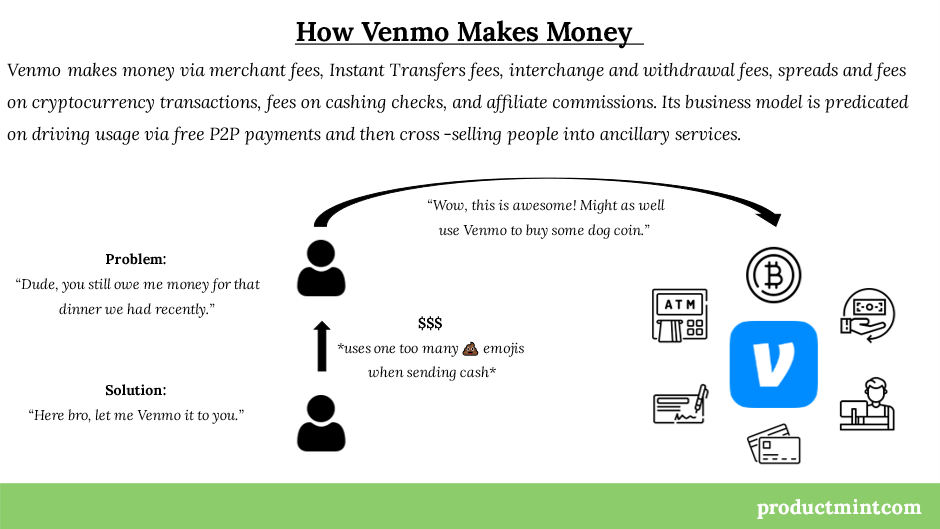
Imagine a world where splitting the bill at a restaurant is as easy as sending a text message. Welcome to the world of Venmo, the popular peer-to-peer payment app that has revolutionized the way we handle money. But have you ever wondered, how does Venmo make money? In this article, we'll dive deep into the inner workings of Venmo's business model, exploring its revenue streams, fees, and innovative features that keep users coming back.
Understanding Venmo's Business Model
Venmo, owned by PayPal, has become a household name for quick and convenient money transfers. But how does Venmo make money? The answer lies in its multifaceted business model, which includes transaction fees, credit services, and strategic partnerships.
Venmo Fees: The Primary Revenue Stream
One of the most straightforward ways Venmo generates revenue is through transaction fees. While basic Venmo transactions are free for users with linked bank accounts or debit cards, there are fees associated with certain types of transactions. For instance, if you use a credit card to send money, Venmo charges a 3% fee. Additionally, instant transfers to your bank account or debit card come with a 1.75% fee, with a minimum of $0.25 and a maximum of $25. These fees might seem small, but they add up quickly, contributing significantly to Venmo's revenue.
Venmo Credit Card and Cashback Rewards
Venmo also offers a credit card that provides cashback rewards on eligible purchases. This card not only attracts users looking for financial benefits but also generates interest revenue for Venmo. The Venmo credit card offers up to 3% cashback on select categories, making it an attractive option for frequent users. This cashback program is a win-win, as users enjoy rewards while Venmo earns interest on the outstanding balances.
Venmo Business: Expanding Revenue Streams
Venmo has expanded its services to include Venmo Business, a platform designed for small businesses and freelancers. This feature allows businesses to accept payments from customers, manage invoices, and even offer discounts. Venmo charges a 1.9% + $0.10 fee per transaction for Venmo Business, providing another lucrative revenue stream. By catering to the needs of small businesses, Venmo taps into a growing market, further diversifying its income sources.
Innovative Features and Strategic Partnerships
Venmo's success isn't just about fees and transactions. The app has also leveraged innovative features and strategic partnerships to enhance user experience and drive revenue. Let's explore some of these key elements.
Venmo Transactions: Seamless and Secure
Venmo transactions are designed to be seamless and secure, making it a preferred choice for many users. The app uses encryption and fraud detection technologies to protect user data, ensuring that transactions are safe and reliable. This focus on security builds trust, encouraging more users to adopt the platform and increasing Venmo's transaction volume.
Venmo Partnerships: Expanding Reach
Venmo has formed strategic partnerships with various companies to expand its reach and offer additional services. For example, Venmo has partnered with retailers to allow users to pay with Venmo at checkout, both online and in-store. These partnerships not only increase Venmo's visibility but also drive more transactions, boosting its revenue. Additionally, Venmo has collaborated with financial institutions to offer integrated banking services, making it easier for users to manage their money.
The Future of Venmo: What Lies Ahead?
As Venmo continues to grow, it faces both opportunities and challenges. The app's success hinges on its ability to innovate and adapt to changing market conditions. Here are some trends and developments to watch for in the coming years.
Expanding Financial Services
Venmo is likely to expand its financial services offerings, including loans, investments, and insurance products. By diversifying its portfolio, Venmo can attract a broader range of users and generate additional revenue streams. For instance, offering short-term loans with competitive interest rates could appeal to users looking for quick financial solutions.
Enhancing User Experience
User experience is crucial for Venmo's continued success. The app is constantly evolving, with updates and new features designed to improve usability and security. Venmo's focus on innovation ensures that it stays ahead of the competition, attracting and retaining users. For example, integrating AI-driven fraud detection and personalized financial advice could enhance the user experience, making Venmo an indispensable tool for managing money.
Conclusion
So, how does Venmo make money? The answer lies in a combination of transaction fees, credit services, business solutions, and strategic partnerships. Venmo's ability to adapt and innovate has made it a leader in the peer-to-peer payment space. As the app continues to evolve, it will likely introduce new features and services, further solidifying its position in the market. Whether you're a casual user or a small business owner, Venmo offers a convenient and secure way to manage your finances. So, the next time you send money to a friend or pay a bill, remember that Venmo's success is built on a foundation of innovation, security, and strategic thinking.
FAQs
1. Are there any fees for using Venmo?
Basic Venmo transactions are free when using a linked bank account or debit card. However, there are fees for using a credit card (3%), instant transfers (1.75%), and Venmo Business transactions (1.9% + $0.10 per transaction).
2. Can I use Venmo for business purposes?
Yes, Venmo offers Venmo Business, a platform designed for small businesses and freelancers. It allows you to accept payments, manage invoices, and offer discounts, with a fee of 1.9% + $0.10 per transaction.
3. Is Venmo secure?
Venmo uses encryption and fraud detection technologies to protect user data, ensuring that transactions are safe and reliable. The app's focus on security builds trust, making it a preferred choice for many users.
4. Does Venmo offer cashback rewards?
Yes, Venmo offers a credit card that provides up to 3% cashback on eligible purchases. This cashback program is a win-win, as users enjoy rewards while Venmo earns interest on the outstanding balances.
5. What are some of Venmo's strategic partnerships?
Venmo has partnered with retailers to allow users to pay with Venmo at checkout, both online and in-store. These partnerships increase Venmo's visibility and drive more transactions. Additionally, Venmo has collaborated with financial institutions to offer integrated banking services, making it easier for users to manage their money.
```
Posting Komentar