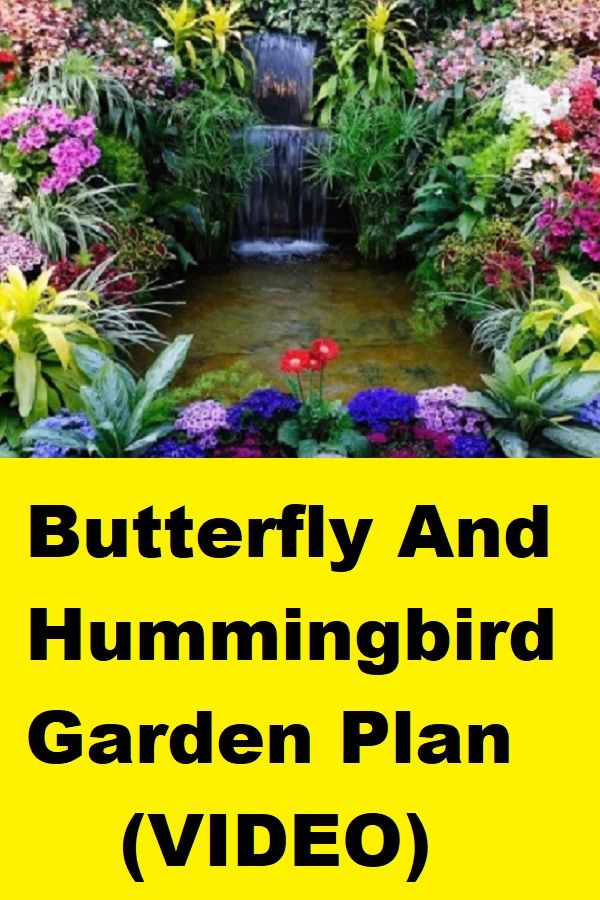
Imagine stepping into your garden and being greeted by a flurry of colorful wings and the delicate hum of tiny visitors. Creating a butterfly and hummingbird garden is not just about adding beauty to your outdoor space; it's about fostering a thriving ecosystem that supports local wildlife. Whether you're a seasoned gardener or just starting out, transforming your garden into a haven for these delightful pollinators is easier than you think. Let's dive into the world of gardening for butterflies and hummingbirds and discover how you can attract these enchanting creatures to your garden.
Understanding Pollinator Plants
Pollinator plants are the lifeblood of any butterfly or hummingbird garden. These plants provide the nectar and pollen that these creatures need to survive and thrive. When selecting pollinator plants, focus on native species that are well-adapted to your region. Native plants are not only easier to maintain but also more attractive to local pollinators.
Choosing the Right Flowering Plants
When it comes to gardening for butterflies and hummingbirds, the right flowering plants can make all the difference. Butterflies are attracted to bright, colorful flowers with flat surfaces where they can easily land and feed. Hummingbirds, on the other hand, prefer tubular flowers that match the shape of their long beaks. Some excellent choices for a butterfly garden include:
- Butterfly Bush (Buddleja davidii)
- Black-Eyed Susan (Rudbeckia hirta)
- Coneflower (Echinacea purpurea)
- Milkweed (Asclepias spp.)
For a hummingbird garden, consider plants like:
- Bee Balm (Monarda didyma)
- Trumpet Vine (Campsis radicans)
- Honeysuckle (Lonicera spp.)
- Salvia (Salvia spp.)
Designing Your Pollinator Garden
Garden design plays a crucial role in attracting butterflies and hummingbirds. A well-designed garden not only looks beautiful but also provides the necessary habitat for these pollinators to thrive. Here are some tips for creating an inviting garden design:
Location and Layout
Choose a location for your garden that receives plenty of sunlight, as most pollinator plants thrive in full sun. Arrange your plants in clusters rather than single rows to create a more natural and appealing landscape. Include a variety of plant heights to add depth and interest to your garden.
Water Sources
Butterflies and hummingbirds need water to survive. Incorporate a shallow birdbath or a small pond into your garden design to provide a reliable water source. You can also add a dripper or mister to keep the air moist, which hummingbirds particularly enjoy.
Maintaining Your Pollinator Garden
Garden maintenance is essential for keeping your butterfly and hummingbird garden healthy and attractive. Regular upkeep ensures that your plants remain vigorous and continue to produce the nectar and pollen that pollinators need. Here are some maintenance tips:
Regular Watering and Fertilizing
Water your garden regularly, especially during dry periods. Use a slow-release fertilizer to provide the necessary nutrients for your plants without overloading them with chemicals. Remember, healthy plants are more resistant to pests and diseases, making them better hosts for pollinators.
Pruning and Deadheading
Prune your plants to encourage bushier growth and more flowers. Deadhead spent blooms to promote continuous flowering throughout the season. This not only keeps your garden looking tidy but also ensures a steady supply of nectar for your pollinator friends.
Attracting Wildlife with Feeders
In addition to pollinator plants, bird feeders and butterfly feeders can be a great way to attract these delightful creatures to your garden. Hummingbirds are particularly fond of nectar feeders, which you can fill with a simple sugar-water solution. For butterflies, consider hanging a fruit feeder or a puddling station, where butterflies can gather to drink and obtain essential minerals.
Placing Feeders Strategically
Place your feeders in a location where you can easily observe the visitors but also where they are protected from predators. Hang them from tree branches or use feeder stands that are stable and secure. Regularly clean and refill your feeders to keep them attractive and safe for your pollinators.
Creating a Sustainable Ecosystem
Gardening for butterflies and hummingbirds is about more than just attracting these beautiful creatures; it's about creating a sustainable ecosystem that supports local wildlife. By choosing native plants, providing water sources, and maintaining your garden, you can create a thriving habitat that benefits not only pollinators but also the broader environment.
So, are you ready to transform your garden into a vibrant pollinator paradise? With the right plants, garden design, and maintenance, you can attract butterflies and hummingbirds to your outdoor space and enjoy their presence all season long. Start planning your butterfly and hummingbird garden today and watch as your garden comes to life with the beauty and wonder of nature.
Conclusion
Creating a butterfly and hummingbird garden is a rewarding experience that benefits both you and the environment. By selecting the right pollinator plants, designing an inviting garden layout, and maintaining your garden, you can attract these delightful pollinators and enjoy their presence in your outdoor space. Whether you're a seasoned gardener or just starting out, gardening for butterflies and hummingbirds is a wonderful way to connect with nature and support local wildlife. So, roll up your sleeves, grab your gardening gloves, and get ready to transform your garden into a thriving ecosystem that supports these beautiful creatures. Happy gardening!
FAQs
1. What are the best plants for a butterfly garden?
Some of the best plants for a butterfly garden include Butterfly Bush (Buddleja davidii), Black-Eyed Susan (Rudbeckia hirta), Coneflower (Echinacea purpurea), and Milkweed (Asclepias spp.). These plants provide the nectar and pollen that butterflies need to survive and thrive.
2. How can I attract hummingbirds to my garden?
To attract hummingbirds to your garden, plant tubular flowers like Bee Balm (Monarda didyma), Trumpet Vine (Campsis radicans), Honeysuckle (Lonicera spp.), and Salvia (Salvia spp.). Additionally, provide a nectar feeder filled with a simple sugar-water solution and a reliable water source.
3. What is the importance of native plants in a pollinator garden?
Native plants are well-adapted to your region and provide the necessary habitat and food sources for local pollinators. They are easier to maintain and more attractive to butterflies and hummingbirds, making them an essential component of any pollinator garden.
4. How often should I maintain my pollinator garden?
Regular garden maintenance is essential for keeping your butterfly and hummingbird garden healthy and attractive. Water your garden regularly, fertilize with a slow-release fertilizer, prune plants to encourage bushier growth, and deadhead spent blooms to promote continuous flowering.
5. Can I use feeders to attract butterflies and hummingbirds?
Yes, bird feeders and butterfly feeders can be a great way to attract these delightful creatures to your garden. Hummingbirds are particularly fond of nectar feeders, while butterflies enjoy fruit feeders or puddling stations. Place your feeders in a protected location and clean and refill them regularly.
 ```
```
Posting Komentar