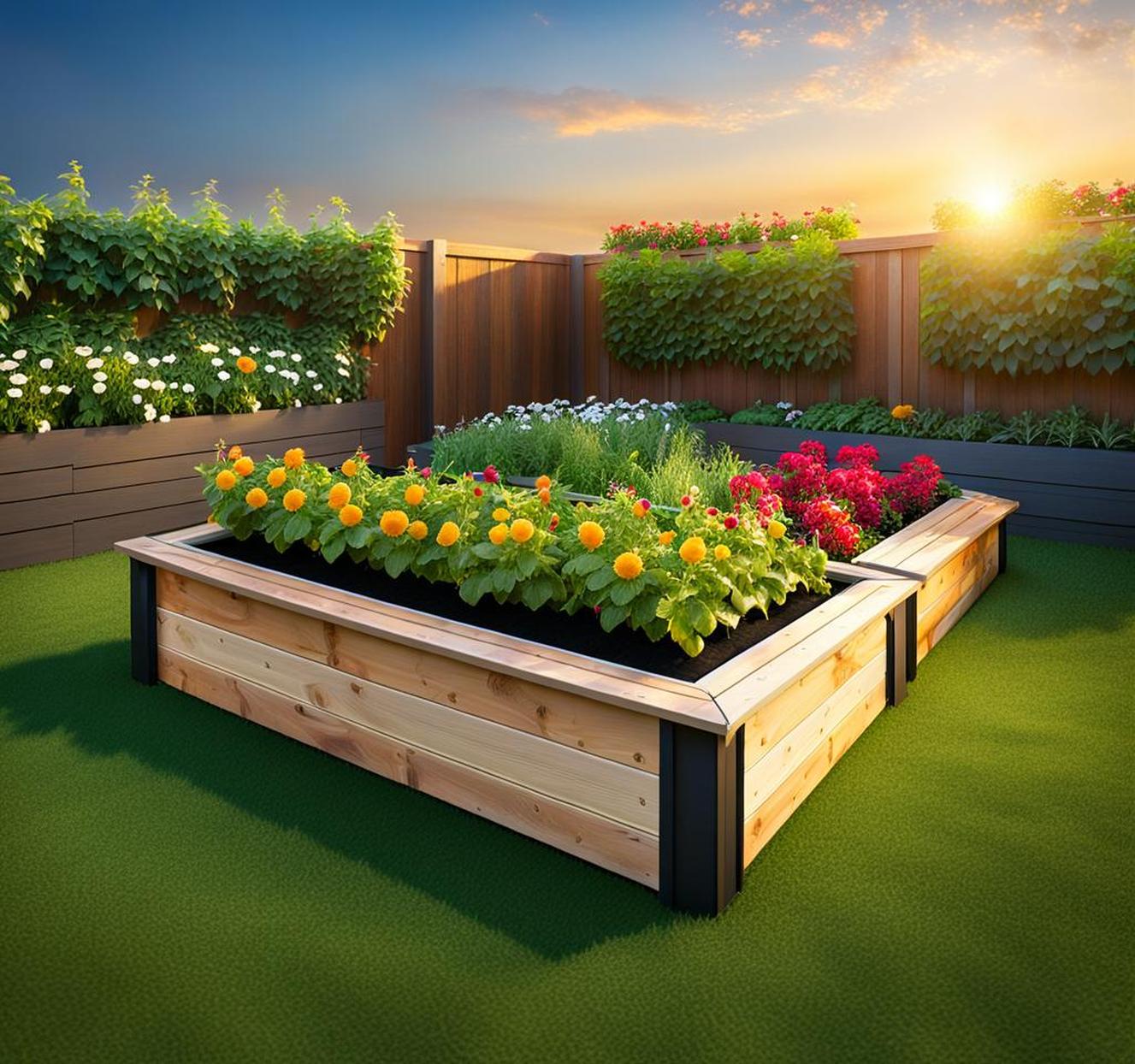
Imagine transforming your backyard into a lush, thriving garden, all within the confines of a neatly organized above ground gardening box. This isn't just a dream; it's a reality that many gardeners have achieved with a bit of planning and effort. Whether you're a seasoned gardener or a novice looking to dip your toes into raised bed gardening, building the perfect above ground gardening box can be a rewarding experience. So, let's dive in and explore how you can create your own garden oasis.
Why Choose an Above Ground Gardening Box?
An above ground gardening box, also known as a garden container or raised bed, offers numerous benefits. It improves soil drainage, prevents soil compaction, and makes it easier to control pests and weeds. Plus, it's a great way to garden if you have poor soil quality or limited space. But how do you go about building the perfect above ground gardening box?
Planning Your Garden Layout
Before you start digging, take some time to plan your garden layout. Consider the size and shape of your garden container, the types of plants you want to grow, and how much sunlight your garden will receive. Think of your garden layout as a blueprint for success. It's like planning a road trip; you wouldn't set off without a map, would you?
Choosing the Right Location
Select a spot that gets at least 6-8 hours of sunlight per day. Most vegetables and flowers thrive in full sun, so this is crucial for a successful garden. Also, consider proximity to a water source for easy watering techniques.
Selecting the Right Materials
When it comes to building your above ground gardening box, you have several material options. Wood is a popular choice due to its durability and aesthetic appeal. Untreated cedar or composite materials are great for longevity. Avoid pressure-treated wood, as it can leach chemicals into your soil. Metal and plastic are also viable options, each with their own pros and cons. Think of your garden container as an investment; choose materials that will last and look good over time.
Building Your Above Ground Gardening Box
Now that you have your plan and materials, it's time to build. Start by marking out the dimensions of your garden container. Dig out the area to a depth of about 12 inches to ensure proper soil preparation. Line the bottom with landscape fabric to prevent weeds from growing up through your garden container.
Next, assemble your garden container. If you're using wood, secure the corners with screws or bolts. Make sure the structure is sturdy and level. Fill the bottom few inches with gravel or small stones for drainage. This step is crucial for preventing waterlogging, which can harm your plants.
Soil Preparation
Soil is the lifeblood of your garden. For raised bed gardening, you want a rich, well-draining mix. Combine equal parts of topsoil, compost, and potting soil. Composting is an excellent way to enrich your soil naturally. It improves soil structure, retains moisture, and provides essential nutrients. Think of compost as the superfood for your plants.
Planting Your Garden
Now comes the fun part—planting! Start by arranging your plants according to your garden layout. Consider plant spacing to ensure each plant has enough room to grow. Taller plants should go in the back, with shorter ones in front. This not only looks aesthetically pleasing but also ensures all plants get adequate sunlight.
When planting, dig a hole slightly larger than the root ball of your plant. Gently place the plant in the hole, ensuring the top of the root ball is level with the soil surface. Fill in around the plant with soil, gently firming it down. Water thoroughly to settle the soil and encourage root growth.
Maintaining Your Above Ground Gardening Box
Maintaining your garden container is key to its success. Regular watering techniques are essential. Deep watering once or twice a week is better than frequent shallow watering. This encourages deep root growth, making your plants more drought-resistant. Use a soaker hose or drip irrigation system for efficient watering.
Pest control is another important aspect. Regularly inspect your plants for signs of pests or diseases. Use organic pesticides or natural remedies like neem oil or insecticidal soap. Companion planting can also help deter pests. For example, marigolds repel nematodes, while basil repels flies and mosquitoes.
Don't forget about garden tools. A good set of tools can make gardening much easier. Essential tools include a trowel, pruners, gloves, and a watering can or hose. Keep your tools clean and stored properly to extend their lifespan.
Seasonal Planting
Different plants thrive in different seasons. For spring, consider cool-season crops like lettuce, spinach, and peas. Summer is perfect for warm-season crops like tomatoes, peppers, and cucumbers. Fall brings a second round of cool-season crops, while winter can be a time for planning and preparing your garden for the next year.
Remember, gardening is a continuous learning process. Don't be discouraged if you face challenges. Each season brings new opportunities to learn and grow. Think of your garden as a living, breathing entity that evolves with time.
Conclusion
Building the perfect above ground gardening box is a rewarding journey. From planning your garden layout to maintaining your garden container, each step brings you closer to a thriving, beautiful garden. So, roll up your sleeves, grab your garden tools, and get started. Your green thumb awaits!
FAQs
1. What is the ideal size for an above ground gardening box?
The ideal size depends on your space and what you want to grow. A common size is 4 feet by 8 feet, which is easy to manage and allows for a variety of plants. However, you can adjust the size to fit your needs.
2. How deep should my above ground gardening box be?
A depth of 12-18 inches is generally sufficient for most plants. This allows for good root development and drainage.
3. Can I use regular garden soil in my above ground gardening box?
It's best to use a mix of topsoil, compost, and potting soil. This ensures a rich, well-draining environment for your plants.
4. How often should I water my above ground gardening box?
Deep watering once or twice a week is usually sufficient. Adjust based on weather conditions and the specific needs of your plants.
5. What are some common pests to watch out for in an above ground gardening box?
Common pests include aphids, slugs, and caterpillars. Regular inspection and the use of organic pesticides can help keep these pests at bay.
```
Posting Komentar