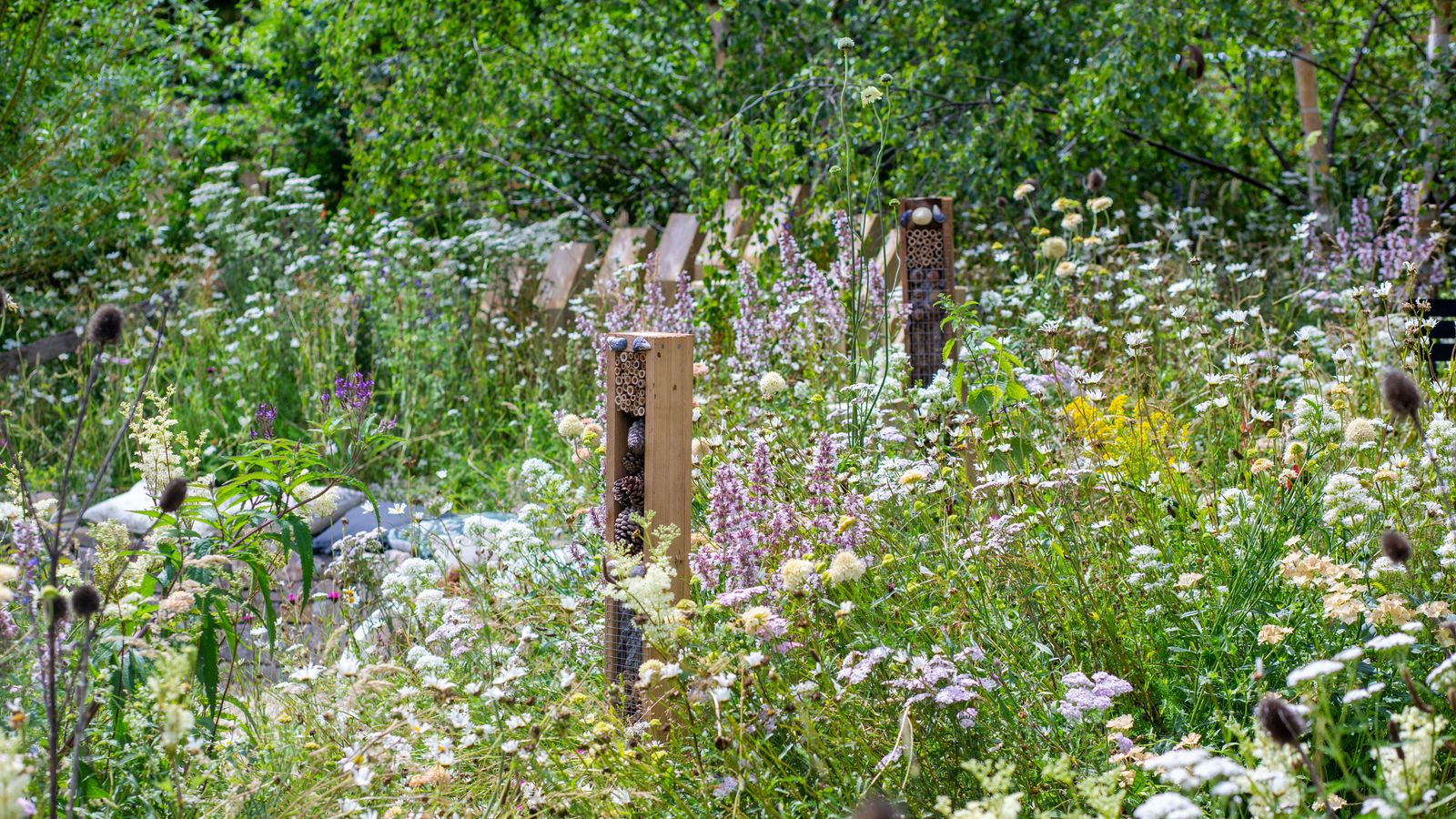
Imagine transforming your backyard into a thriving ecosystem, buzzing with life and color. A wildlife-friendly garden is not just a beautiful space; it's a sanctuary for local flora and fauna. By embracing sustainable gardening practices, you can attract a diverse range of garden wildlife, from birds and butterflies to bees and beetles. But how do you create an eco-friendly garden that supports garden biodiversity? Let's dive in and explore the steps to make your garden a haven for wildlife.
Understanding the Basics of Garden Biodiversity
Garden biodiversity is the variety of life in your garden, from the smallest microorganisms to the largest mammals. A biodiverse garden is resilient, beautiful, and full of life. But how do you achieve this? It starts with understanding the needs of different species and creating an environment that meets those needs. Think of your garden as a bustling city, where each plant and animal has a role to play. By providing the right habitats, food sources, and shelter, you can attract a wide range of garden wildlife.
Choosing the Right Plants
Plants are the foundation of any wildlife-friendly garden. They provide food, shelter, and nesting sites for a variety of creatures. When selecting plants, opt for native species that are well-adapted to your local climate and soil conditions. Native plants are more likely to attract local garden wildlife, from pollinators like bees and butterflies to birds and small mammals. Additionally, native plants require less water and maintenance, making them a sustainable choice for your eco-friendly garden.
Consider incorporating a mix of trees, shrubs, perennials, and annuals to create a layered landscape. This diversity will provide a variety of habitats and food sources for different species. For example, trees offer nesting sites for birds, while shrubs provide cover for small mammals. Perennials and annuals attract pollinators with their colorful flowers and nectar-rich blooms.
Attracting Pollinators
Pollinators are essential for a healthy garden. They help plants reproduce by transferring pollen from one flower to another. But how do you attract these vital creatures to your garden? The key is to provide a variety of nectar-rich flowers that bloom at different times of the year. This ensures a continuous food source for pollinators, from early spring to late fall.
Some of the best plants for attracting pollinators include:
- Bee balm (Monarda didyma)
- Black-eyed Susan (Rudbeckia hirta)
- Coneflower (Echinacea purpurea)
- Lavender (Lavandula)
- Sunflower (Helianthus annuus)
In addition to flowers, consider providing nesting sites for bees. Bumblebees, for example, nest in the ground, so leaving some bare patches of soil can be beneficial. Mason bees, on the other hand, nest in hollow stems or tunnels, so providing bee houses can attract these important pollinators.
Creating Habitats for Wildlife
Habitats are crucial for the survival of garden wildlife. They provide shelter, nesting sites, and places to raise young. By creating a variety of habitats in your garden, you can attract a diverse range of species. Think of your garden as a patchwork quilt, with each piece providing a different habitat for wildlife.
Building Birdhouses and Bat Boxes
Birds and bats are important predators that help control insect populations. By providing birdhouses and bat boxes, you can attract these beneficial creatures to your garden. Birdhouses should be placed in a quiet, shady spot, away from predators. Bat boxes, on the other hand, should be mounted high up on a tree or building, where bats can easily access them.
When choosing a birdhouse, consider the size and type of birds you want to attract. Different species have different nesting requirements, so it's important to choose a birdhouse that meets their needs. For example, bluebirds prefer open-fronted boxes, while chickadees prefer enclosed boxes with a small entrance hole.
Providing Water Sources
Water is essential for all forms of life. By providing a water source in your garden, you can attract a variety of garden wildlife, from birds and butterflies to frogs and toads. A simple birdbath or pond can provide a drinking and bathing spot for these creatures. But how do you create a water feature that's both functional and attractive?
When choosing a water feature, consider the size and style of your garden. A small birdbath can be a charming addition to a cottage garden, while a larger pond can be a stunning focal point in a more spacious garden. Whatever you choose, make sure it's easy to clean and maintain. Regular cleaning will help prevent the buildup of algae and mosquitoes, making it a safer and more attractive water source for wildlife.
Maintaining Your Wildlife-Friendly Garden
Maintaining a wildlife-friendly garden requires a bit of effort, but the rewards are well worth it. By following a few simple steps, you can keep your garden healthy and thriving, while also supporting garden biodiversity.
Avoiding Pesticides and Herbicides
Pesticides and herbicides can be harmful to garden wildlife. They can kill beneficial insects, pollute water sources, and disrupt the delicate balance of your garden ecosystem. Instead of relying on chemicals, consider using natural pest control methods. For example, companion planting can help repel pests, while beneficial insects like ladybugs and lacewings can help control aphid populations.
Composting and Mulching
Composting and mulching are essential practices for sustainable gardening. They help improve soil health, retain moisture, and suppress weeds. But how do you compost and mulch effectively? The key is to use a variety of organic materials, from kitchen scraps and yard waste to shredded leaves and grass clippings. By layering these materials, you can create a rich, nutrient-dense soil that supports a diverse range of garden wildlife.
When mulching, choose a material that's appropriate for your plants and climate. Organic mulches like wood chips and straw can help retain moisture and suppress weeds, while inorganic mulches like gravel and plastic can help control erosion and prevent weed growth. Whatever you choose, make sure it's applied correctly to avoid smothering your plants or attracting pests.
Conclusion
Creating a wildlife-friendly garden is a rewarding experience that benefits both you and the environment. By understanding the basics of garden biodiversity, choosing the right plants, attracting pollinators, creating habitats for wildlife, and maintaining your garden sustainably, you can transform your backyard into a thriving ecosystem. So, why wait? Start planning your eco-friendly garden today and watch as it comes to life with the beauty and diversity of nature.
FAQs
What are the benefits of a wildlife-friendly garden?
A wildlife-friendly garden supports garden biodiversity, attracts beneficial pollinators, and provides a habitat for local flora and fauna. It also promotes sustainable gardening practices, reduces the need for pesticides and herbicides, and creates a beautiful, natural space for you to enjoy.
How do I attract birds to my garden?
To attract birds to your garden, provide a variety of food sources, water, and shelter. Plant native trees and shrubs that produce berries and seeds, install bird feeders with a mix of seeds and suet, and create a water feature like a birdbath or pond. Additionally, provide nesting sites with birdhouses and bat boxes.
What plants are best for attracting pollinators?
The best plants for attracting pollinators are native, nectar-rich flowers that bloom at different times of the year. Some popular choices include bee balm, black-eyed Susan, coneflower, lavender, and sunflower. These plants provide a continuous food source for pollinators, from early spring to late fall.
How do I create a water feature for wildlife?
To create a water feature for wildlife, choose a size and style that suits your garden. A small birdbath can be a charming addition to a cottage garden, while a larger pond can be a stunning focal point in a more spacious garden. Make sure the water feature is easy to clean and maintain, and provide a shallow edge or ramp for small creatures to access the water safely.
What are some natural pest control methods?
Natural pest control methods include companion planting, which involves planting certain plants together to repel pests, and using beneficial insects like ladybugs and lacewings to control aphid populations. Additionally, you can use physical barriers like row covers and netting to protect your plants from pests, and practice crop rotation to disrupt pest life cycles.
```
Posting Komentar