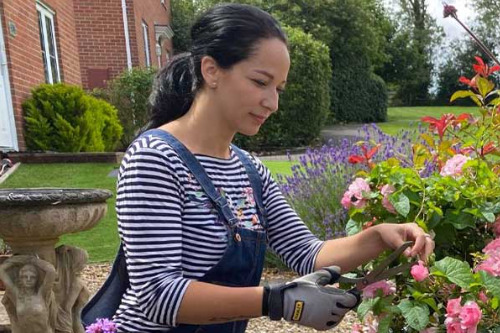
Imagine this: the sun is shining, the birds are singing, and you're knee-deep in your garden, tending to your plants. Sounds idyllic, right? But what if you've recently undergone hip replacement surgery? Does that mean you have to hang up your gardening gloves for good? Absolutely not! With the right techniques and a bit of patience, you can enjoy gardening after hip replacement and make your hip replacement recovery a smoother journey. Let's dive into how you can get back to your green thumb activities safely and enjoyably.
Understanding Hip Replacement Recovery
First things first, let's talk about hip replacement recovery. After surgery, your body needs time to heal. This means avoiding high-impact activities and focusing on low-impact exercises that strengthen your muscles without straining your new hip. But does that mean you have to give up on your beloved gardening? Not at all! With a few adjustments, you can turn your garden into a therapeutic haven.
Ergonomic Gardening Techniques
Ergonomic gardening is all about using smart techniques and tools to make your gardening experience easier on your body. Think of it like driving a car with automatic transmission instead of a manual one—smoother and less straining. Here are some tips to get you started:
Use Raised Beds
Raised beds are a gardener's best friend, especially after hip replacement surgery. They bring the soil level up to a more comfortable height, reducing the need to bend down. Plus, they improve drainage and soil quality, making your plants happier too!
Invest in Ergonomic Tools
Long-handled tools are your new best friends. They allow you to reach further without bending or stretching, making tasks like weeding and planting a breeze. Look for tools with padded handles to reduce strain on your hands and wrists. And don't forget about kneeling pads or benches—your knees will thank you!
Take Breaks and Stay Hydrated
Gardening is a marathon, not a sprint. Take frequent breaks to rest and hydrate. Set a timer if you need to—every 20-30 minutes is a good rule of thumb. Remember, it's better to do a little bit each day than to overdo it and risk injury.
Low Impact Exercises for Post-Surgery Activities
Incorporating low-impact exercises into your gardening routine can help strengthen your muscles and improve your flexibility. Think of it like a gentle dance with nature—you're moving, but you're not pushing yourself too hard. Here are some exercises to try:
Seated Stretches
Sit on a comfortable chair or bench and gently stretch your legs and hips. Hold each stretch for 20-30 seconds and repeat on the other side. This will help improve your range of motion and reduce stiffness.
Walking
Walking is one of the best low-impact exercises you can do. Take a leisurely stroll around your garden, enjoying the sights and smells. Aim for 10-15 minutes at a time, gradually increasing as you feel stronger.
Light Weeding
Weeding can be a great way to get some gentle exercise. Use your long-handled tools to reach those pesky weeds without bending down. It's a win-win—your garden looks better, and you get a little workout!
Creating a Garden That Works for You
Your garden should be a place of joy and relaxation, not a source of stress or pain. So, how can you create a garden that works for you after hip replacement surgery? Think of it like redesigning your home to fit your needs—it's all about making small changes that have a big impact.
Plan Your Layout
Before you start digging, take some time to plan your garden layout. Think about what you want to grow and where you want to place your raised beds. Consider adding pathways or stepping stones to make it easier to move around.
Choose the Right Plants
Opt for low-maintenance plants that don't require a lot of bending or kneeling. Perennials are a great choice—they come back year after year, so you don't have to replant them every season. And don't forget about containers—they're easy to move around and can be placed at a comfortable height.
Add Seating Areas
Create cozy seating areas where you can sit and enjoy your garden. A bench or a comfortable chair can be a great place to rest and take in the beauty around you. Plus, it's a perfect spot to do your seated stretches!
Conclusion
Gardening after hip replacement doesn't have to be a daunting task. With the right techniques and a bit of creativity, you can turn your garden into a therapeutic oasis. Remember, it's all about taking it slow, listening to your body, and making adjustments as needed. So, grab your ergonomic tools, put on your gardening gloves, and get ready to enjoy the great outdoors again. Your garden is waiting, and so is your green thumb!
FAQs
1. How soon can I start gardening after hip replacement surgery?
It's best to wait until you've had your post-operative check-up and your surgeon gives you the green light. Typically, this is around 6-8 weeks after surgery, but it can vary depending on your individual recovery. Always consult with your healthcare provider before resuming any physical activities.
2. What are some good low-impact exercises for hip replacement recovery?
Low-impact exercises like walking, swimming, and cycling are great for hip replacement recovery. These activities help strengthen your muscles and improve your flexibility without putting too much strain on your new hip. Always start slow and gradually increase the intensity as you feel stronger.
3. Can I use a treadmill for my hip replacement recovery?
Yes, using a treadmill can be a great way to get some low-impact exercise during your hip replacement recovery. Start with a slow pace and gradually increase the speed and duration as you feel more comfortable. Always consult with your physical therapist or healthcare provider before starting any new exercise routine.
4. What are some ergonomic gardening tools I should invest in?
Investing in long-handled tools, kneeling pads or benches, and tools with padded handles can make gardening after hip replacement much easier. These tools help reduce strain on your body and make tasks like weeding and planting more comfortable.
5. How can I make my garden more accessible after hip replacement surgery?
Creating raised beds, adding pathways or stepping stones, and choosing low-maintenance plants can make your garden more accessible after hip replacement surgery. These adjustments reduce the need for bending or kneeling and make it easier to move around and enjoy your garden.
```
Posting Komentar