Imagine transforming your small backyard or balcony into a lush, productive garden. Sounds like a dream, right? But with the square foot gardening method, it's entirely possible. This efficient gardening technique allows you to maximize your garden harvest, even in the smallest of spaces. Whether you're a seasoned gardener or a beginner, this guide will walk you through the steps to create a thriving square foot garden. So, are you ready to turn your green thumb into a space-saving gardening superpower?
Understanding the Square Foot Gardening Method
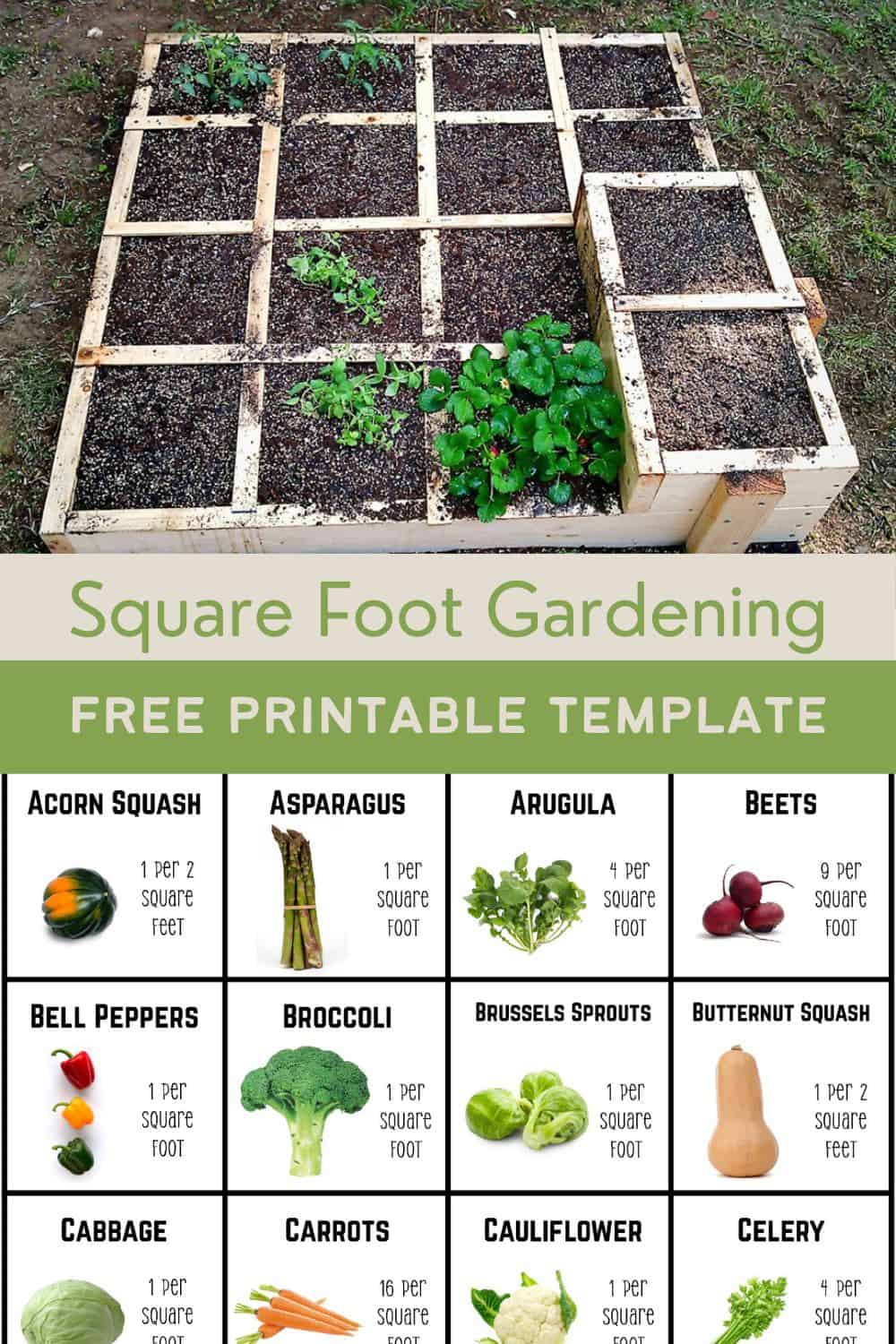
The square foot gardening method is a revolutionary approach to small garden techniques that focuses on maximizing yield in a minimal area. Developed by Mel Bartholomew, this method divides your garden into a grid of 1-foot squares, each dedicated to a specific type of plant. By doing so, you can efficiently manage your garden, reduce waste, and ensure that every inch of your space is used productively.
Why Choose Square Foot Gardening?
There are numerous benefits to adopting the square foot gardening method. Firstly, it's incredibly space-saving, making it ideal for urban dwellers or those with limited outdoor areas. Secondly, it promotes efficient gardening by minimizing the need for tilling, weeding, and watering. Lastly, it allows you to maximize your garden harvest, ensuring that you get the most out of your efforts.
The Basic Principles
To get started with square foot gardening, you need to understand its basic principles. The method involves creating a raised bed garden divided into a grid of 1-foot squares. Each square is then planted with a different type of vegetable, herb, or flower, depending on the plant's space requirements. This systematic approach ensures that your garden is well-organized and easy to maintain.
Setting Up Your Square Foot Garden
Choosing the Right Location
The first step in setting up your square foot garden is choosing the right location. Ideally, you want a spot that receives at least 6-8 hours of sunlight daily. This will ensure that your plants get the light they need to grow and thrive. Additionally, consider factors like water accessibility and proximity to your home for easy maintenance.
Building the Raised Beds
Next, you'll need to build your raised beds. These can be constructed from various materials, including wood, plastic, or metal. The standard size for a square foot garden is 4 feet by 4 feet, but you can adjust this based on your available space. The depth of the bed should be at least 12 inches to allow for proper root development.
Preparing the Soil
Once your raised beds are in place, it's time to prepare the soil. Square foot gardening uses a specific soil mix known as "Mel's Mix," which consists of one-third compost, one-third peat moss, and one-third vermiculite. This mixture provides the perfect balance of nutrients, water retention, and aeration for your plants.
Planting Your Square Foot Garden
Creating the Grid
To start planting, you'll need to create a grid on the surface of your soil. This can be done using string, wooden slats, or even tape. Each square in the grid will be dedicated to a specific type of plant. The number of plants per square depends on the plant's size and growth habit. For example, large plants like cabbage or broccoli will occupy an entire square, while smaller plants like radishes or carrots can be planted in groups of 16 per square.
Choosing the Right Plants
When selecting plants for your square foot garden, consider factors like growth habit, space requirements, and compatibility. Some plants, like tomatoes and basil, grow well together and can be planted in the same square. Others, like carrots and radishes, have different space needs and should be planted separately. Researching plant compatibility and space requirements will help you create a harmonious and productive garden.
Planting and Maintenance
Once your grid is in place and your plants are selected, it's time to start planting. Follow the guidelines for each plant type, ensuring that they are spaced correctly within their designated squares. Regular maintenance, including watering, weeding, and fertilizing, is crucial for the success of your square foot garden. With proper care, you'll be rewarded with a bountiful harvest.
Maximizing Your Garden Harvest
Successive Planting
One of the key advantages of the square foot gardening method is the ability to practice successive planting. This involves planting fast-growing crops like lettuce or radishes between slower-growing plants like tomatoes or peppers. As the fast-growing crops are harvested, they can be replaced with new plants, ensuring a continuous supply of fresh produce throughout the growing season.
Crop Rotation
Crop rotation is another essential technique for maximizing your garden harvest. By rotating the types of plants grown in each square, you can prevent soil depletion and reduce the risk of pests and diseases. For example, you might plant tomatoes in a square one season, followed by beans the next, and then lettuce the following season. This rotation ensures that your soil remains fertile and your plants stay healthy.
Companion Planting
Companion planting is the practice of growing certain plants together to benefit each other. For instance, marigolds can repel nematodes, which are harmful to many vegetables. Similarly, basil can improve the flavor of tomatoes and repel certain pests. By strategically placing companion plants in your square foot garden, you can enhance the overall health and productivity of your garden.
Troubleshooting Common Issues
Pests and Diseases
Even with the best care, pests and diseases can sometimes find their way into your square foot garden. Regular monitoring and early intervention are key to managing these issues. Use organic pesticides and fungicides to minimize environmental impact, and consider companion planting to naturally repel pests.
Watering and Nutrient Management
Proper watering and nutrient management are crucial for the success of your square foot garden. Ensure that your plants receive consistent moisture, but avoid overwatering, which can lead to root rot. Use a balanced fertilizer to provide the necessary nutrients for your plants, and consider composting to enrich your soil naturally.
Weeding
Weeding is an inevitable part of gardening, but the square foot gardening method makes it easier. The grid system helps you identify and remove weeds quickly, preventing them from competing with your plants for nutrients and water. Regular weeding will keep your garden tidy and productive.
Conclusion
Gardening by the square foot is a game-changer for anyone looking to maximize their garden harvest in a small space. By following the principles of this efficient gardening technique, you can create a thriving, productive garden that provides fresh produce throughout the growing season. Whether you're a seasoned gardener or a beginner, the square foot gardening method offers a structured, space-saving approach to small garden techniques. So, why not give it a try and see the amazing results for yourself?
FAQs
What is the square foot gardening method?
The square foot gardening method is a space-saving gardening technique that involves dividing your garden into a grid of 1-foot squares, each dedicated to a specific type of plant. This method promotes efficient gardening and maximizes garden harvest in a minimal area.
How do I choose the right plants for my square foot garden?
When selecting plants for your square foot garden, consider factors like growth habit, space requirements, and compatibility. Research plant compatibility and space requirements to create a harmonious and productive garden.
What is Mel's Mix?
Mel's Mix is a specific soil mixture used in square foot gardening, consisting of one-third compost, one-third peat moss, and one-third vermiculite. This mixture provides the perfect balance of nutrients, water retention, and aeration for your plants.
How do I practice successive planting in my square foot garden?
Successive planting involves planting fast-growing crops between slower-growing plants. As the fast-growing crops are harvested, they can be replaced with new plants, ensuring a continuous supply of fresh produce throughout the growing season.
What are the benefits of companion planting in square foot gardening?
Companion planting involves growing certain plants together to benefit each other. For example, marigolds can repel nematodes, and basil can improve the flavor of tomatoes and repel certain pests. Strategic companion planting can enhance the overall health and productivity of your square foot garden.
```
Posting Komentar