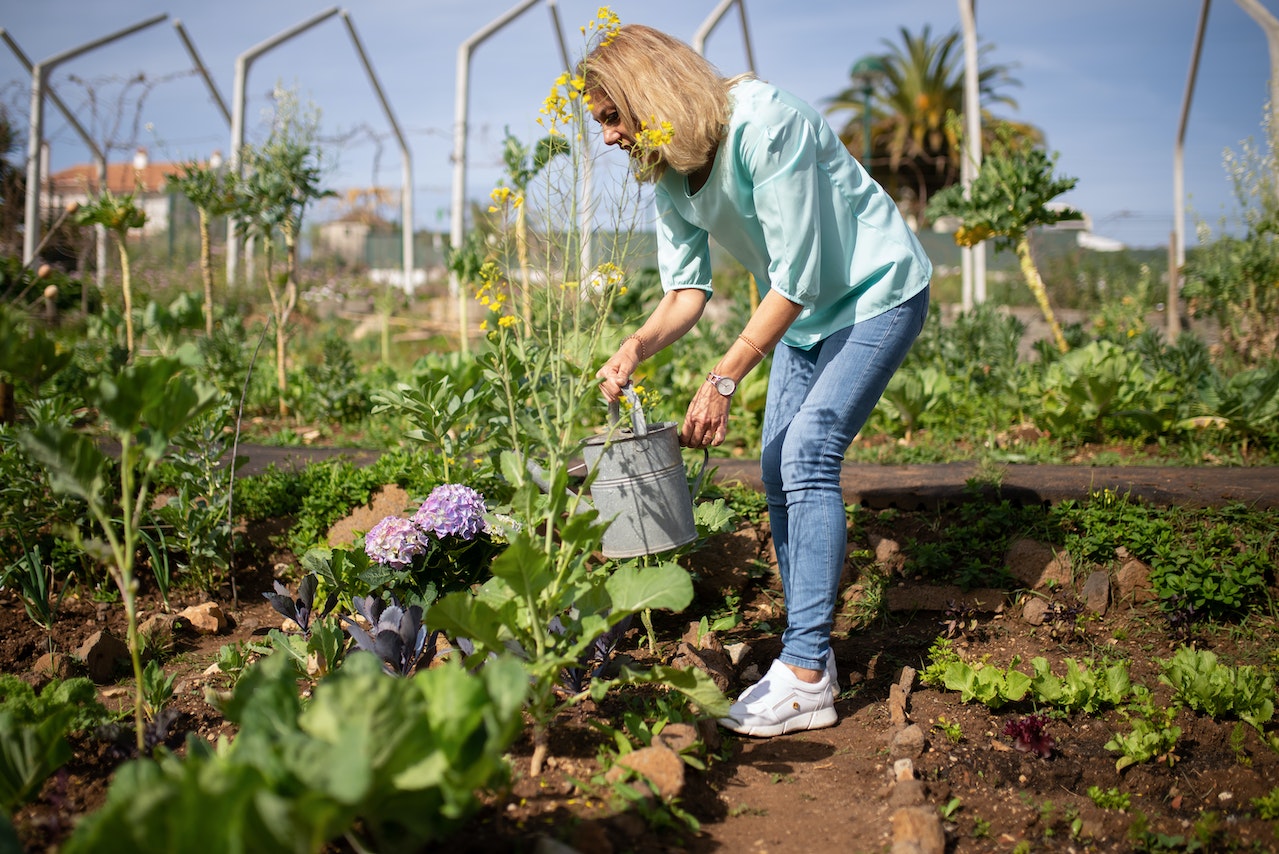
Imagine your garden as a lush oasis in the middle of a desert. Sounds impossible, right? Not if you know the secrets of gardening during a drought. With water conservation becoming increasingly important, learning how to maintain a beautiful garden while saving water is not just a skill, but a necessity. So, let's dive into the world of sustainable gardening and discover how you can keep your garden thriving even in the driest of conditions.
Understanding Drought Management
Drought management is all about being proactive rather than reactive. It's like planning for a rainy day, but in reverse. You need to prepare your garden to withstand periods of little to no rainfall. This involves selecting the right plants, optimizing your watering techniques, and maintaining your garden in a way that promotes water conservation.
Choosing Drought Tolerant Plants
One of the first steps in drought management is selecting drought tolerant plants. These are plants that have adapted to survive in arid conditions. Think of them as the desert survivors of the plant world. They require less water and can thrive even when the rain is scarce. Some popular choices include succulents, cacti, and certain types of grasses. But don't limit yourself to just these; there are many beautiful and diverse options available.
When choosing plants, consider their native habitats. Plants that are native to your region are often more resilient to local weather conditions, including droughts. They have evolved to survive with the available resources, making them an excellent choice for sustainable gardening. For example, if you live in a Mediterranean climate, plants like lavender, rosemary, and olive trees are great options.
Water Conservation Techniques
Water conservation is the cornerstone of gardening during a drought. It's like having a secret stash of water that you can use sparingly to keep your garden alive. There are several techniques you can use to conserve water and ensure your garden stays lush and green.
One effective method is mulching. Mulch acts like a blanket for your soil, retaining moisture and preventing evaporation. It also suppresses weeds, which compete with your plants for water. Organic mulches like wood chips, straw, and pine needles are great choices. They not only conserve water but also improve soil health as they decompose.
Another technique is drip irrigation. This system delivers water directly to the roots of your plants, minimizing waste. It's like giving your plants a personal water bottle instead of a sprinkler that waters the entire area. Drip irrigation can significantly reduce water usage and is an excellent tool for sustainable gardening.
Garden Maintenance During a Drought
Garden maintenance during a drought requires a bit more attention and care. It's like being a gardening detective, always on the lookout for signs of stress in your plants. Regularly check your plants for wilting, yellowing leaves, or stunted growth. These are signs that your plants need more water or are struggling to cope with the dry conditions.
Pruning is another important aspect of garden maintenance. During a drought, it's essential to prune your plants to remove any dead or dying branches. This helps the plant focus its energy on the healthy parts and conserves water. However, be careful not to over-prune, as this can stress the plant further.
Optimizing Watering Schedules
Optimizing your watering schedule is crucial for gardening during a drought. It's like having a watering plan that ensures your plants get just the right amount of water without wasting any. Water your plants early in the morning or late in the evening to minimize evaporation. This is when the temperature is cooler, and the water has a better chance of reaching the roots.
Deep watering is another effective technique. Instead of frequent shallow watering, give your plants a good soak once or twice a week. This encourages deeper root growth, making your plants more resilient to drought conditions. Think of it as giving your plants a deep drink rather than a quick sip.
Sustainable Gardening Practices
Sustainable gardening is about creating a garden that is in harmony with nature. It's like having a garden that takes care of itself, with minimal intervention from you. This involves using natural fertilizers, composting, and promoting biodiversity. These practices not only conserve water but also improve soil health and promote a healthy ecosystem.
Composting is a great way to recycle organic waste and create a nutrient-rich soil amendment. It's like turning trash into treasure. Compost improves soil structure, retains moisture, and provides essential nutrients for your plants. It's a win-win for both your garden and the environment.
Promoting biodiversity is another key aspect of sustainable gardening. Planting a variety of plants attracts different types of pollinators and beneficial insects. This creates a balanced ecosystem where pests are kept in check naturally. It's like having a garden that is self-sustaining and resilient to pests and diseases.
Conclusion
Gardening during a drought doesn't have to be a daunting task. With the right techniques and a bit of creativity, you can create a beautiful and sustainable garden that thrives even in the driest of conditions. Remember, it's all about water conservation, choosing the right plants, and maintaining your garden with care. So, roll up your sleeves, grab your gardening gloves, and get ready to create a garden that is not only beautiful but also resilient and sustainable.
Now, it's your turn to share your gardening tips and tricks. What techniques have you found most effective for gardening during a drought? Let's start a conversation and learn from each other. Together, we can create gardens that are not only beautiful but also sustainable and resilient.
FAQs
1. What are some common drought tolerant plants?
Some common drought tolerant plants include succulents, cacti, lavender, rosemary, and certain types of grasses. These plants have adapted to survive in arid conditions and require less water.
2. How can I conserve water in my garden?
You can conserve water in your garden by using techniques like mulching, drip irrigation, and optimizing your watering schedule. These methods help retain moisture and minimize water waste.
3. What is the best time to water my plants during a drought?
The best time to water your plants during a drought is early in the morning or late in the evening. This is when the temperature is cooler, and the water has a better chance of reaching the roots.
4. How can I improve soil health during a drought?
You can improve soil health during a drought by using natural fertilizers, composting, and promoting biodiversity. These practices improve soil structure, retain moisture, and provide essential nutrients for your plants.
5. What are some sustainable gardening practices?
Some sustainable gardening practices include using natural fertilizers, composting, promoting biodiversity, and choosing drought tolerant plants. These practices create a garden that is in harmony with nature and requires minimal intervention.
```
Posting Komentar