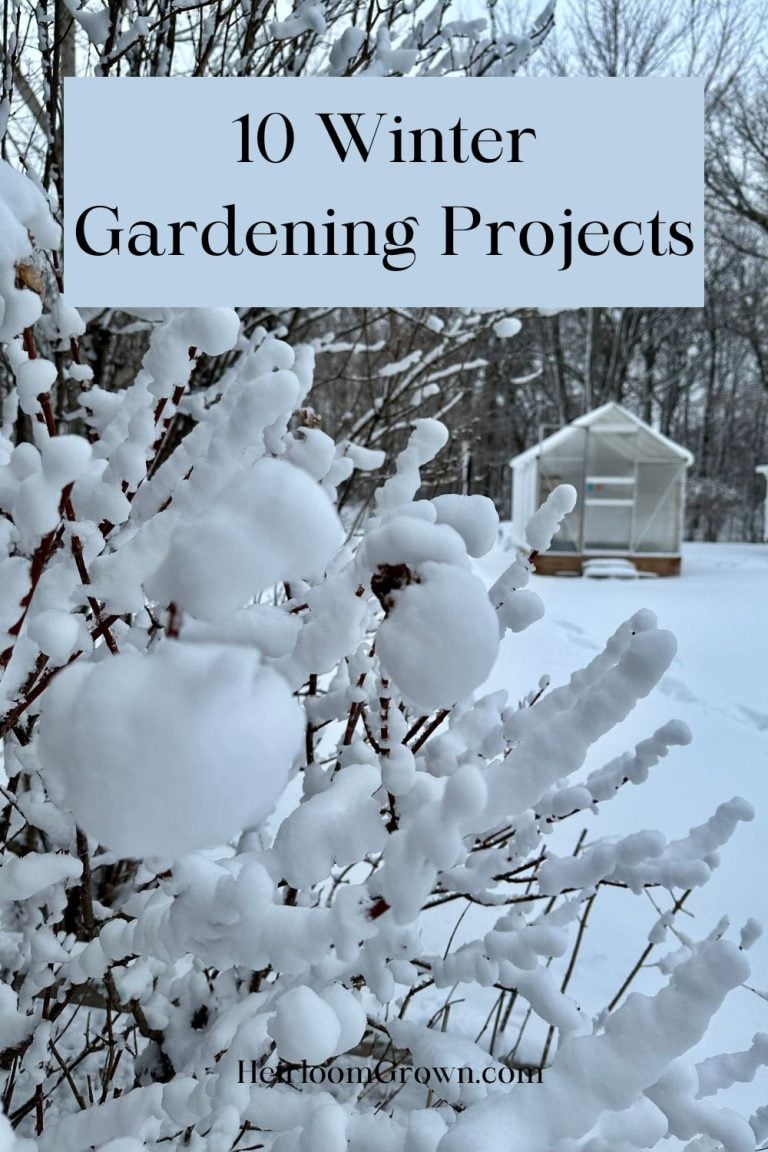
As the leaves turn golden and the air grows crisp, many gardeners hang up their trowels and retreat indoors. But why let the cold weather signal the end of your gardening adventures? Winter gardening tips can help you transform your garden into a winter wonderland that blooms even in the frost. Embrace the chill and discover the joy of seasonal gardening. Let's dive into the world of winter garden care and explore how you can keep your green thumb active all year round.
Understanding Winter Gardening
Winter gardening is not just about surviving the cold; it's about thriving in it. Imagine your garden as a cozy retreat, a sanctuary that defies the winter's bite. With the right winter gardening tips, you can create a landscape that is as vibrant in December as it is in July. The key lies in selecting the right frost-resistant plants and providing them with the care they need to flourish.
Choosing the Right Plants
When it comes to winter gardening, not all plants are created equal. Some are hardier than others, able to withstand the harshest of conditions. These cold weather plants are your best friends during the winter months. Think of them as the unsung heroes of your garden, standing tall and proud even when the snow falls.
Some of the best frost-resistant plants include:
- Pansies: These cheerful flowers add a splash of color to your garden, even in the coldest months.
- Hellebores: Known as the Christmas rose, these plants bloom in the depths of winter, bringing a touch of elegance to your landscape.
- Winter Jasmine: This plant produces bright yellow flowers that stand out against the winter backdrop.
- Kale: This leafy green is not only beautiful but also edible, making it a dual-purpose addition to your garden.
- Sedum: This succulent-like plant adds texture and interest to your garden, and it's incredibly hardy.
When selecting plants, consider their hardiness zones. These zones, determined by the USDA, indicate the minimum temperatures a plant can tolerate. Choose plants that are suited to your specific zone for the best results.
Preparing Your Garden
Before you start planting, it's essential to prepare your garden for the winter. Think of it as laying the groundwork for a successful growing season. Start by clearing away any dead leaves or debris, which can harbor pests and diseases. Next, add a layer of mulch to insulate the soil and retain moisture. This will help protect your plants' roots from the cold and keep them healthy throughout the winter.
Don't forget to prune your plants. Pruning encourages new growth and helps prevent diseases. Focus on removing any dead or damaged branches, and shape your plants to promote healthy growth. Remember, the goal is to create a strong foundation for your plants to thrive.
Caring for Your Winter Garden
Once your garden is planted and prepared, it's time to focus on winter garden care. Just because it's cold outside doesn't mean your garden can be neglected. In fact, winter garden care is crucial for ensuring your plants survive the season and emerge strong in the spring.
Watering
Watering is one of the most important aspects of winter garden care. While it might seem counterintuitive, plants still need water during the winter months. The key is to water deeply but infrequently. This encourages deep root growth and helps your plants absorb more nutrients. Just be sure to water in the morning to allow any excess moisture to evaporate before nightfall, which can help prevent root rot.
Fertilizing
Fertilizing during the winter can be a bit tricky. Most plants are dormant during this time, so they don't need as much fertilizer. However, a light application of a balanced, slow-release fertilizer can provide the nutrients your plants need to stay healthy. Think of it as a gentle nudge to keep them going until spring.
Protecting from Frost
Frost can be a garden's worst enemy, but with the right winter gardening tips, you can protect your plants from its icy grasp. Covering your plants with a frost cloth or row cover can provide an extra layer of protection. These covers allow light and water to pass through while trapping heat, creating a microclimate that keeps your plants warm and cozy.
For potted plants, consider moving them to a sheltered location, such as a garage or porch. This can provide additional protection from the cold and wind. Just be sure to monitor them for pests and diseases, as these can thrive in warmer, more sheltered environments.
Embracing the Season
Winter gardening is not just about survival; it's about embracing the season and finding beauty in the cold. Think of your garden as a canvas, waiting to be painted with the colors of winter. With the right winter gardening tips, you can create a landscape that is as stunning in December as it is in June.
So, don't let the cold weather deter you. Grab your gloves, bundle up, and head outside. Your garden is waiting, and with a little love and care, it will reward you with a winter wonderland that will make your neighbors green with envy.
Conclusion
Gardening during winter doesn't have to be a daunting task. With the right winter gardening tips, you can transform your garden into a seasonal oasis that thrives even in the coldest months. From selecting the right frost-resistant plants to providing them with the care they need, every step is an opportunity to connect with nature and create something beautiful. So, embrace the chill, roll up your sleeves, and get ready to garden like never before. Your winter garden awaits, and with a little effort, it will be the envy of the neighborhood.
FAQs
What are some easy-to-grow winter plants?
Some easy-to-grow winter plants include pansies, hellebores, winter jasmine, kale, and sedum. These plants are known for their hardiness and ability to thrive in cold weather.
How often should I water my winter garden?
Watering frequency depends on the specific plants and weather conditions, but generally, watering deeply but infrequently is best. Aim to water once a week, adjusting as needed based on rainfall and soil moisture.
Can I fertilize my garden during winter?
Yes, but sparingly. A light application of a balanced, slow-release fertilizer can provide the nutrients your plants need to stay healthy during the winter months. Be sure to follow the manufacturer's instructions for application rates.
How can I protect my plants from frost?
Covering your plants with a frost cloth or row cover can provide an extra layer of protection. These covers allow light and water to pass through while trapping heat, creating a microclimate that keeps your plants warm and cozy.
What should I do if my plants show signs of frost damage?
If your plants show signs of frost damage, such as wilted or discolored leaves, prune the affected areas and provide additional protection, such as a frost cloth or row cover. Monitor your plants closely and adjust your winter garden care as needed.
```
Posting Komentar