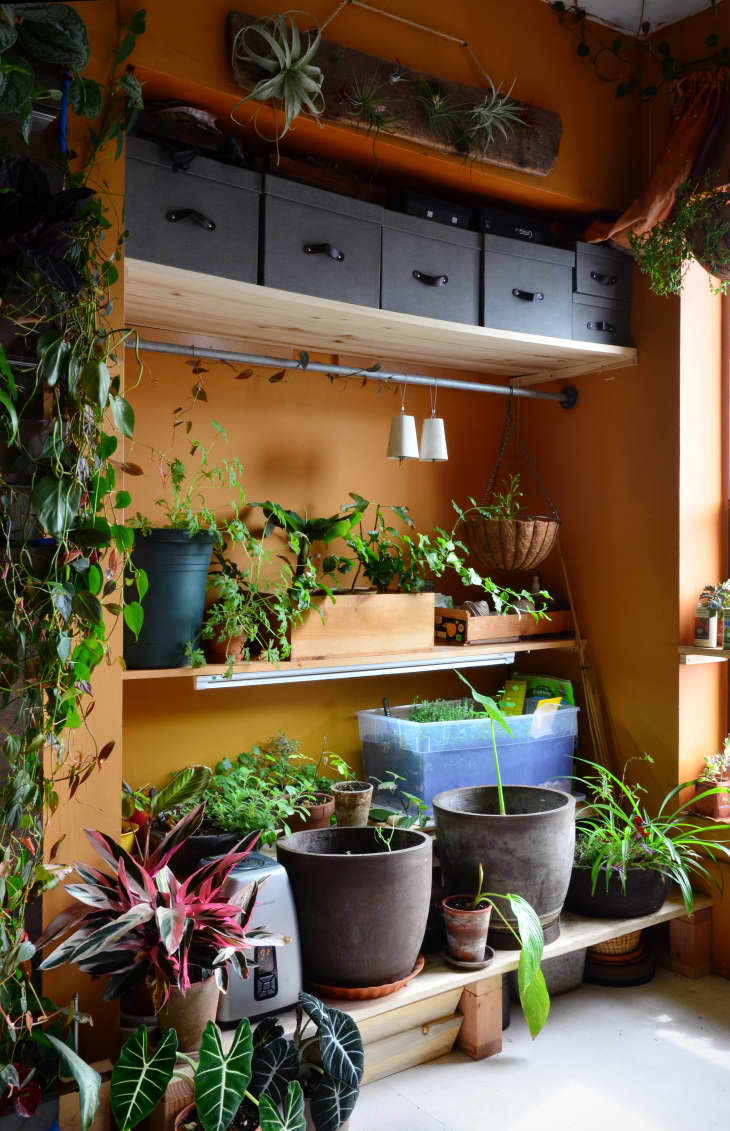
Imagine turning your apartment into a lush, green sanctuary where you can escape the hustle and bustle of urban life. Gardening inside your apartment is not just a dream; it's a reality that can bring you joy, improve your indoor air quality, and even boost your mental health. Whether you have a green thumb or are just starting out, this guide will help you create a thriving indoor garden. So, are you ready to transform your apartment into a verdant paradise?
Why Garden Inside Your Apartment?
Urban gardening tips often focus on outdoor spaces, but what if you don't have a backyard or balcony? Indoor gardening is the perfect solution for apartment dwellers. It allows you to enjoy the benefits of plants without needing a lot of space. Plus, indoor plant care is easier than you might think. With the right apartment-friendly plants and a bit of creativity, you can design an indoor garden that suits your style and needs.
Choosing the Right Plants for Small Space Gardening
When it comes to small space gardening, not all plants are created equal. You'll want to choose plants that thrive in indoor conditions and don't require a lot of space. Here are some apartment-friendly plants to consider:
Low-Light Plants
If your apartment doesn't get a lot of natural light, don't worry. There are plenty of low-light plants that can thrive in shadier conditions. Some popular options include:
- Snake Plant (Sansevieria): Known for its air-purifying qualities, the snake plant is nearly indestructible and can survive in low light.
- ZZ Plant (Zamioculcas zamiifolia): This plant is drought-tolerant and can handle low light, making it an excellent choice for beginners.
- Pothos (Epipremnum aureum): With its trailing vines, pothos is perfect for hanging baskets or shelves. It can tolerate low light and is easy to care for.
Medium-Light Plants
If your apartment gets some natural light but not direct sunlight, consider these medium-light plants:
- Peace Lily (Spathiphyllum): This plant produces beautiful white flowers and can thrive in medium light. It also helps purify the air.
- Spider Plant (Chlorophytum comosum): Known for its air-purifying qualities, the spider plant is easy to care for and can produce small white flowers.
- Philodendron: With its heart-shaped leaves, the philodendron is a popular choice for indoor gardens. It can tolerate medium light and is relatively easy to care for.
High-Light Plants
If your apartment gets plenty of natural light, you can choose from a variety of high-light plants. Some options include:
- Fiddle-Leaf Fig (Ficus lyrata): This plant has large, glossy leaves and can grow quite tall. It loves bright light and can add a dramatic touch to your indoor garden design.
- Rubber Plant (Ficus elastica): Known for its thick, glossy leaves, the rubber plant can tolerate bright light and is relatively easy to care for.
- Bird of Paradise (Strelitzia): This plant produces striking orange and blue flowers and can thrive in bright light. It's a bit more challenging to care for but well worth the effort.
Designing Your Indoor Garden
Now that you've chosen your plants, it's time to think about your indoor garden design. The key to successful small space gardening is to make the most of your available space. Here are some tips to help you get started:
Vertical Gardening
If you're short on floor space, consider vertical gardening. This involves growing plants upwards rather than outwards. You can use hanging baskets, wall-mounted planters, or even a trellis to support climbing plants. Vertical gardening not only saves space but also adds a unique touch to your indoor garden design.
Shelving and Stands
Shelves and plant stands are great for displaying your plants and making the most of your vertical space. Choose shelves or stands that complement your apartment's decor and provide enough space for your plants to grow. You can also use tiered stands to create a cascading effect with your plants.
Hanging Plants
Hanging plants are a fantastic way to add greenery to your apartment without taking up valuable floor space. Choose plants with trailing vines or cascading leaves, such as pothos or string of pearls. Hang them from the ceiling or use macrame hangers for a bohemian touch.
Caring for Your Indoor Plants
Indoor plant care is essential for keeping your plants healthy and thriving. Here are some tips to help you care for your indoor garden:
Watering
Overwatering is one of the most common mistakes people make when caring for indoor plants. To avoid this, make sure your plants have well-draining soil and pots with drainage holes. Water your plants when the top inch of soil is dry to the touch. Remember, it's better to underwater than overwater.
Light
Different plants have different light requirements, so it's essential to place your plants in the right spot. Low-light plants can tolerate shadier conditions, while high-light plants need plenty of natural light. If you're unsure about your plant's light needs, do a bit of research or ask a local nursery for advice.
Fertilizing
Fertilizing your plants can help them grow stronger and healthier. Choose a balanced, water-soluble fertilizer and follow the instructions on the package. Fertilize your plants during the growing season (spring and summer) and reduce fertilization during the dormant season (fall and winter).
Troubleshooting Common Issues
Even with the best care, indoor plants can sometimes run into problems. Here are some common issues and how to fix them:
Yellowing Leaves
Yellowing leaves can be a sign of overwatering, underwatering, or too much light. Check the soil moisture and adjust your watering schedule accordingly. If the leaves are also wilted, it might be a sign of too much light. Move your plant to a shadier spot and see if it improves.
Brown Tips
Brown tips on your plant's leaves can be a sign of low humidity. To increase humidity, mist your plants regularly or place a tray of water near them. You can also group your plants together to create a humid microclimate.
Pests
Indoor plants can sometimes attract pests like spider mites, aphids, or mealybugs. To get rid of pests, wipe your plants' leaves with a damp cloth or use an insecticidal soap. Regularly inspect your plants for signs of pests and take action as soon as you spot any.
Conclusion
Gardening inside your apartment is a rewarding experience that can transform your space into a lush, green oasis. By choosing the right plants, designing your indoor garden, and caring for your plants properly, you can create a thriving indoor garden that brings you joy and improves your indoor air quality. So, what are you waiting for? Start your indoor gardening journey today and watch your apartment come to life with greenery!
FAQs
What are the best apartment-friendly plants for beginners?
Some of the best apartment-friendly plants for beginners include the snake plant, ZZ plant, and pothos. These plants are low-maintenance and can tolerate a range of conditions, making them perfect for beginners.
How often should I water my indoor plants?
The frequency of watering depends on the type of plant and its environment. As a general rule, water your plants when the top inch of soil is dry to the touch. However, it's always a good idea to research the specific watering needs of your plants.
Can I grow vegetables indoors?
Yes, you can grow vegetables indoors! Some vegetables that do well indoors include herbs like basil and parsley, leafy greens like lettuce and spinach, and even small tomatoes. Just make sure your plants get enough light and are in the right soil conditions.
How can I increase humidity for my indoor plants?
To increase humidity for your indoor plants, you can mist them regularly, place a tray of water near them, or group your plants together to create a humid microclimate. You can also use a humidifier to increase the overall humidity in your apartment.
What should I do if my indoor plants have pests?
If your indoor plants have pests, wipe their leaves with a damp cloth or use an insecticidal soap. Regularly inspect your plants for signs of pests and take action as soon as you spot any. You can also use natural remedies like neem oil or diatomaceous earth to get rid of pests.
```
Posting Komentar