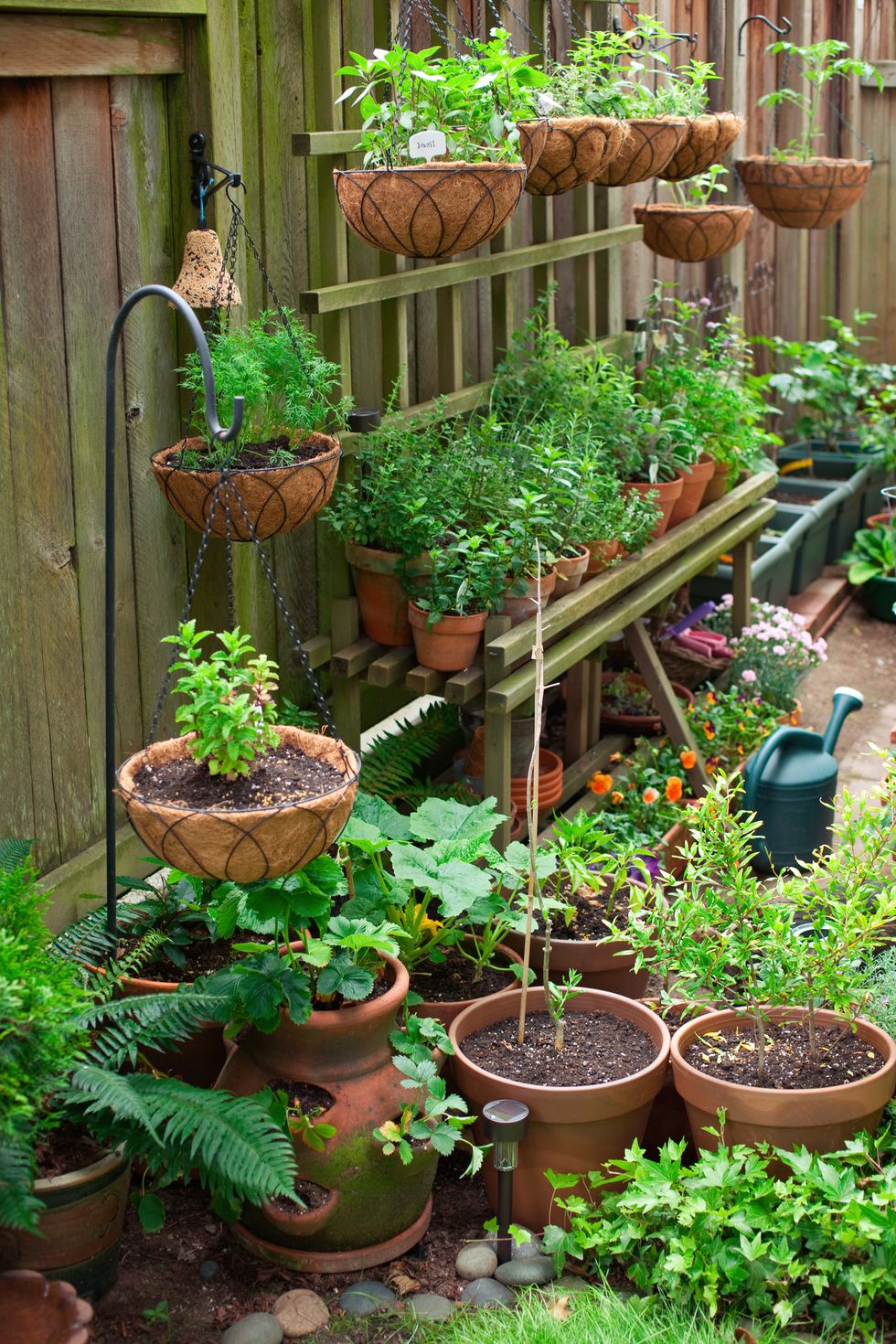
Imagine transforming your small balcony, cozy apartment, or even your spacious backyard into a lush, green oasis. Gardening from pots is not just a trend; it's a practical and rewarding way to bring nature into your living space. Whether you're a seasoned gardener or a beginner, container gardening offers a flexible and manageable approach to growing plants. So, are you ready to dive into the world of plant pots and soil for pots? Let's get started!
Why Choose Gardening from Pots?
Gardening from pots is perfect for those who want to enjoy the beauty of plants without the commitment of a traditional garden. It's ideal for indoor gardening enthusiasts who want to add a touch of greenery to their homes, as well as for outdoor gardening lovers who want to create a portable garden. Plus, it's a great way to experiment with different plants and arrangements without the hassle of digging up your yard.
Choosing the Right Plant Pots
When it comes to container gardening, the right plant pots can make all the difference. Think of your pots as the foundation of your garden. They need to be sturdy, well-draining, and the right size for your plants. Here are some tips to help you choose the perfect pots:
Material Matters
Plant pots come in a variety of materials, each with its own advantages. Terracotta pots are classic and breathable, making them great for plants that need good drainage. Plastic pots are lightweight and affordable, perfect for indoor gardening. Metal pots add a modern touch but can heat up quickly in the sun, so they're best for shade-loving plants. Ceramic pots are beautiful and come in various designs, but they can be heavy and breakable.
Size and Shape
The size of your pot should match the size of your plant. A general rule of thumb is to choose a pot that is about 2-3 inches larger in diameter than the plant's root ball. As for shape, consider the aesthetic you want to achieve. Tall, narrow pots are great for trailing plants, while wide, shallow pots are perfect for succulents and other low-growing plants.
Drainage is Key
Proper drainage is crucial for the health of your plants. Make sure your pots have drainage holes to prevent waterlogging, which can lead to root rot. If your pots don't have drainage holes, you can drill them yourself or add a layer of gravel at the bottom to improve drainage.
Selecting the Best Soil for Pots
Soil for pots is different from garden soil. It needs to be lightweight, well-draining, and rich in nutrients. Potting mix is a great option because it's specifically designed for container gardening. It's usually a blend of peat moss, perlite, and vermiculite, which provides the perfect balance of moisture retention and drainage.
When choosing soil for pots, look for a mix that is sterile and free of pests and diseases. You can also add compost or slow-release fertilizer to give your plants an extra boost of nutrients.
Choosing the Right Plants for Container Gardening
Not all plants are suitable for container gardening. Some plants have extensive root systems that require more space than a pot can provide. Others may be too heavy or too tall for a pot. Here are some tips to help you choose the right plants:
Consider the Size
Choose plants that will thrive in the size of pot you have. Small plants like herbs, succulents, and annual flowers are great for small pots. Larger plants like tomatoes, peppers, and small trees can be grown in larger pots.
Think About Light Requirements
Different plants have different light requirements. Some plants need full sun, while others prefer shade. Make sure to choose plants that will get the right amount of light in the location where you plan to place your pots.
Watering Needs
Some plants need more water than others. Make sure to choose plants that have similar watering needs so you can water them all at the same time. Succulents and cacti, for example, need less water than ferns and tropical plants.
Caring for Your Container Garden
Once you've chosen your pots, soil, and plants, it's time to start caring for your container garden. Here are some tips to keep your plants healthy and thriving:
Watering
Watering is one of the most important aspects of container gardening. Pots dry out faster than garden soil, so you'll need to water your plants more frequently. A good rule of thumb is to water your plants when the top inch of soil is dry. Make sure to water deeply, until water runs out of the drainage holes.
Fertilizing
Plants in pots rely on you for nutrients, so it's important to fertilize them regularly. Use a balanced, water-soluble fertilizer every 4-6 weeks during the growing season. Follow the instructions on the package for the correct amount to use.
Pruning and Deadheading
Regular pruning and deadheading will keep your plants looking their best. Remove any dead or yellowing leaves, and pinch back leggy growth to encourage bushier plants. Deadheading, or removing spent flowers, will encourage your plants to produce more blooms.
Conclusion
Gardening from pots is a versatile and rewarding way to bring nature into your living space. Whether you're an indoor gardening enthusiast or an outdoor gardening lover, container gardening offers a flexible and manageable approach to growing plants. By choosing the right plant pots, soil for pots, and plants, and providing proper care, you can create a lush, green oasis in any space. So, what are you waiting for? Grab your pots and get started on your container gardening journey today!
Remember, gardening from pots is all about experimentation and creativity. Don't be afraid to try new plants and arrangements. The beauty of container gardening is that you can move your pots around and change your garden as often as you like. So, go ahead, let your green thumb shine, and transform your space with the magic of container gardening!
FAQs
What are the best plants for indoor gardening from pots?
Some of the best plants for indoor gardening from pots include snake plants, pothos, peace lilies, and spider plants. These plants are low-maintenance and can thrive in indoor conditions.
How often should I water my plants in pots?
The frequency of watering depends on the type of plant and the size of the pot. As a general rule, water your plants when the top inch of soil is dry. Make sure to water deeply, until water runs out of the drainage holes.
Can I use regular garden soil for my pots?
No, regular garden soil is too heavy and compact for pots. It can lead to poor drainage and root rot. Use a lightweight, well-draining potting mix specifically designed for container gardening.
How do I choose the right size pot for my plant?
Choose a pot that is about 2-3 inches larger in diameter than the plant's root ball. This will give your plant enough room to grow without being too cramped.
What is the best material for plant pots?
The best material for plant pots depends on your preferences and the needs of your plants. Terracotta pots are classic and breathable, plastic pots are lightweight and affordable, metal pots add a modern touch, and ceramic pots are beautiful but can be heavy and breakable.
``` ```
```
Posting Komentar