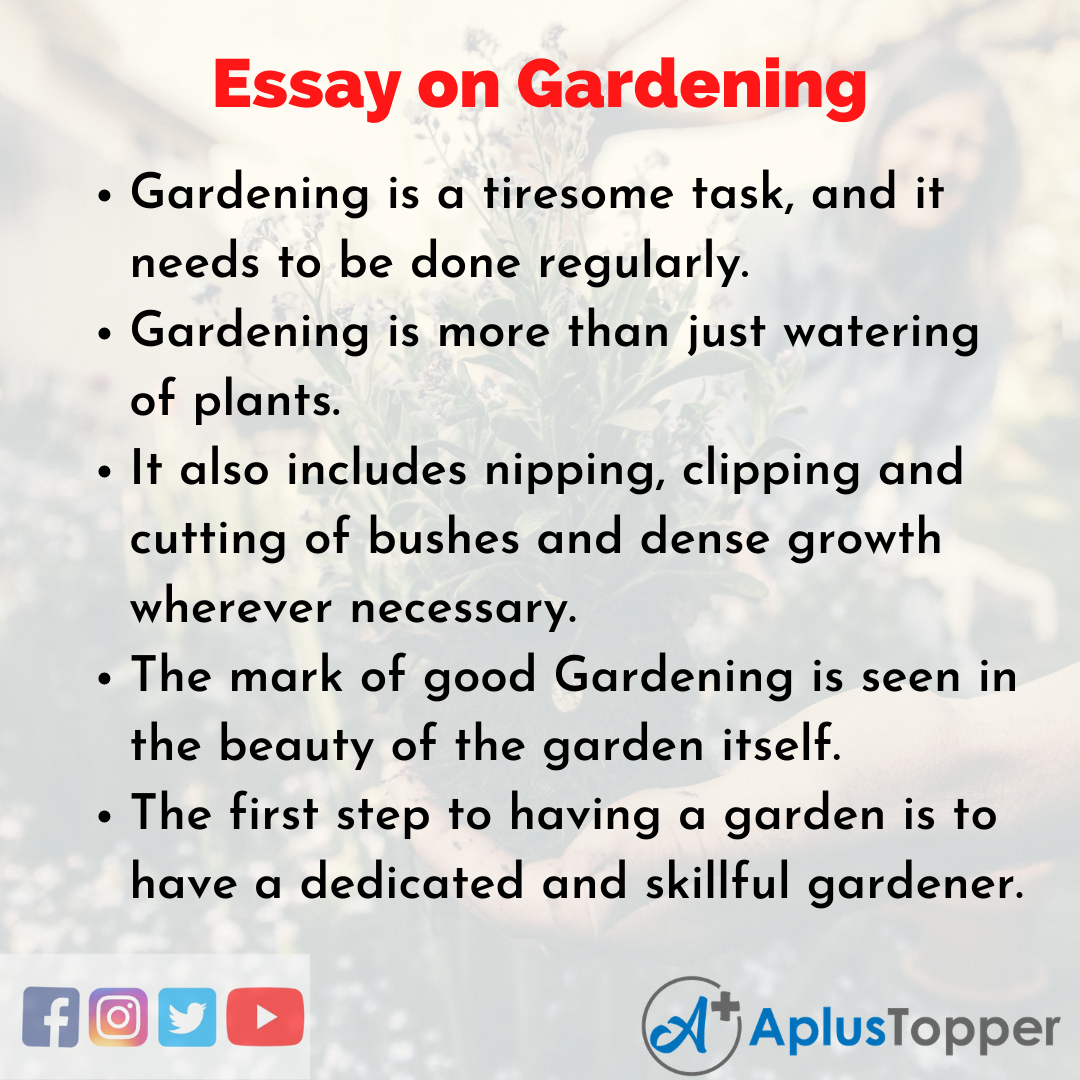
Imagine transforming your backyard into a lush, green oasis where you can escape the hustle and bustle of daily life. Gardening as a hobby is more than just a way to beautify your outdoor space; it's a journey into the world of plant care, a form of therapy, and a rewarding outdoor activity. Whether you're a seasoned green thumb or a complete novice, starting a home garden can be an incredibly fulfilling experience. So, are you ready to roll up your sleeves and dive into the world of hobbyist gardening? Let's get started!
Why Choose Gardening as a Hobby?
Gardening is not just about growing plants; it's about nurturing life. It's a hobby that offers a multitude of benefits, from improving your mental health to providing fresh, homegrown produce. Think of it as a form of meditation where you get to see the tangible results of your efforts. Plus, it's a great way to connect with nature and enjoy some much-needed outdoor activities.
The Therapeutic Benefits of Gardening
Have you ever noticed how calming it is to watch a plant grow? Gardening can be incredibly therapeutic. It reduces stress, improves mood, and even boosts your immune system. According to a study published in the Journal of Health Psychology, gardening can lower cortisol levels, the hormone associated with stress. So, if you're looking for a way to unwind and recharge, gardening might just be the perfect hobby for you.
The Joy of Homegrown Produce
There's nothing quite like the taste of fresh, homegrown vegetables and fruits. Gardening allows you to enjoy the fruits of your labor literally. Plus, you get to control what goes into your food, ensuring it's free from harmful pesticides and chemicals. It's a win-win situation!
Getting Started with Gardening
So, you're convinced that gardening is the hobby for you. Great! But where do you start? Don't worry; we've got you covered with some essential gardening tips to help you kickstart your journey.
Choosing the Right Plants
The first step in starting your garden is choosing the right plants. Consider your climate, the amount of sunlight your garden receives, and your personal preferences. If you're a beginner, start with easy-to-grow plants like herbs, tomatoes, and marigolds. These plants are forgiving and can thrive with minimal care. As you gain more experience, you can experiment with more challenging plants.
Preparing Your Garden
Before you start planting, you need to prepare your garden. This involves choosing the right location, testing your soil, and adding necessary amendments. The ideal location for your garden should receive at least 6-8 hours of sunlight daily. As for the soil, it should be well-draining and rich in organic matter. You can improve your soil by adding compost or other organic materials.
Essential Gardening Tools
Having the right tools can make gardening a lot easier and more enjoyable. Some essential gardening tools you'll need include a trowel, pruners, a rake, a hoe, and a watering can. These tools will help you with various tasks, from planting and weeding to watering and pruning.
Caring for Your Garden
Once your garden is set up, the real fun begins—caring for your plants. Plant care is crucial for the health and growth of your garden. Here are some tips to help you keep your plants thriving.
Watering
Water is essential for plant growth, but how much water do your plants need? The answer depends on the type of plants you have and the climate you live in. As a general rule, most plants need about an inch of water per week. However, it's better to water deeply once a week than to water a little bit every day. This encourages deeper root growth and makes your plants more drought-resistant.
Fertilizing
Plants need nutrients to grow, and fertilizing is a great way to provide them with the necessary nutrients. You can use organic or synthetic fertilizers, depending on your preference. Just remember to follow the instructions on the package to avoid over-fertilizing, which can harm your plants.
Pest and Disease Control
Pests and diseases can wreak havoc on your garden if left unchecked. Regularly inspect your plants for signs of pests or diseases, and take action immediately if you spot any issues. There are many organic and chemical methods to control pests and diseases, so choose the one that best fits your gardening style.
Enjoying Your Gardening Journey
Gardening is a lifelong journey filled with learning and discovery. Embrace the process, and don't be afraid to make mistakes. After all, even the most experienced gardeners had to start somewhere. Join local gardening clubs or online communities to connect with fellow hobbyist gardeners and share your experiences. You'll be surprised at how much you can learn from others.
Conclusion
Starting gardening as a hobby is a rewarding experience that offers numerous benefits, from improving your mental health to providing fresh, homegrown produce. By choosing the right plants, preparing your garden, and caring for your plants, you can create a beautiful and thriving outdoor space. So, what are you waiting for? Grab your gardening tools and get started on your gardening journey today!
FAQs
What are the best plants for beginners?
Some of the best plants for beginners include herbs like basil and mint, vegetables like tomatoes and lettuce, and flowers like marigolds and petunias. These plants are easy to grow and can thrive with minimal care.
How often should I water my garden?
Most plants need about an inch of water per week. However, it's better to water deeply once a week than to water a little bit every day. This encourages deeper root growth and makes your plants more drought-resistant.
What are some common gardening mistakes to avoid?
Some common gardening mistakes to avoid include overwatering, under-fertilizing, and neglecting pest and disease control. Regularly inspect your plants and follow best practices for plant care to keep your garden healthy and thriving.
How can I improve my soil quality?
You can improve your soil quality by adding organic matter like compost or manure. This will increase the nutrient content and improve the soil structure, making it better for plant growth.
What are some benefits of joining a gardening club?
Joining a gardening club can provide you with a wealth of knowledge and support from fellow hobbyist gardeners. You can learn new gardening tips, share your experiences, and even participate in gardening events and workshops.
```
Posting Komentar