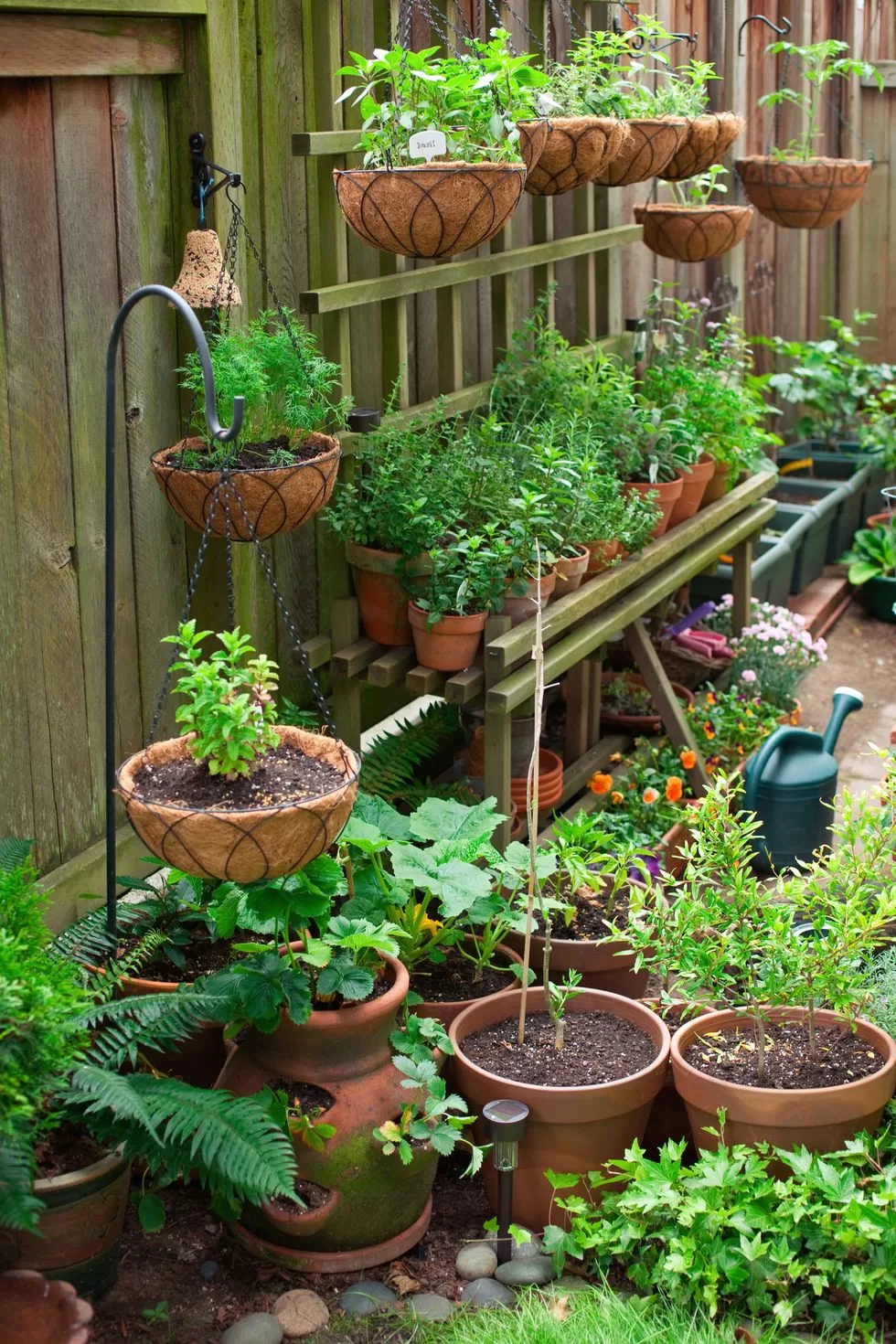
Imagine transforming your living space into a lush, green oasis where you can grow your own fresh produce, beautiful flowers, and even create a peaceful retreat. Starting a home garden might seem daunting, but with the right gardening tips and a bit of patience, you can turn your indoor gardening dreams into a reality. Whether you have a sprawling backyard or a cozy apartment, this guide will walk you through the steps to create a thriving home garden.
Why Start Gardening at Home?
Gardening at home offers numerous benefits beyond just aesthetics. It can improve your mental health, provide fresh, organic produce, and even save you money on groceries. Plus, there's nothing quite like the satisfaction of harvesting something you've nurtured from seed. So, why wait? Let's dive into the world of home gardening and discover how you can get started today.
Choosing the Right Plants for Your Home Garden
Understanding Your Space
Before you dive into planting, take a moment to assess your space. Do you have a sunny balcony, a shady patio, or perhaps a well-lit indoor area? Different plants thrive in different conditions, so it's crucial to choose plants that will flourish in your specific environment. For example, if you're planning on indoor gardening, opt for low-light plants like snake plants or pothos, which can tolerate less sunlight.
Container Plants: The Perfect Solution
If you're short on space, container plants are your best friend. They allow you to grow a variety of plants in small areas, making them ideal for apartments or balconies. Plus, they're easy to move around, so you can adjust their placement based on sunlight and aesthetics. Just make sure to choose containers with good drainage to prevent root rot.
Plant Care: The Basics
Once you've chosen your plants, it's time to focus on plant care. This includes watering, fertilizing, and pruning. Each plant has its own specific needs, so do a bit of research to understand what your chosen plants require. For example, succulents need less water than ferns, and some plants benefit from regular pruning to encourage bushier growth. Remember, consistency is key in plant care. Set a schedule and stick to it.
Getting Started with Your Home Garden
Gathering Your Tools
You don't need a lot of fancy equipment to start gardening at home. A few basic tools will do the trick. Invest in a good pair of gardening gloves, a trowel, pruners, and a watering can. These tools will make your gardening tasks easier and more enjoyable. Think of them as your gardening toolkit, essential for any home gardener.
Preparing Your Soil
Healthy soil is the foundation of a successful home garden. If you're planting in the ground, test your soil pH to ensure it's suitable for your chosen plants. You can buy a soil test kit from a local garden center or online. If your soil needs improvement, consider adding compost or other organic matter to enrich it. For container plants, use a high-quality potting mix designed for your specific plants.
Planting Your Garden
Now comes the fun part—planting! Follow the instructions on your seed packets or plant tags for the best results. Generally, you'll want to plant seeds at a depth of about twice their size and space them according to the packet's recommendations. For container plants, fill your pots with potting mix, place the plant in the center, and gently firm the soil around it. Water thoroughly after planting to help settle the soil and encourage root growth.
Maintaining Your Home Garden
Watering Wisely
Watering is one of the most important aspects of plant care. Too much water can lead to root rot, while too little can cause your plants to wilt and die. The key is to find the right balance. Stick your finger into the soil up to the second knuckle. If it feels dry, it's time to water. For container plants, make sure your pots have drainage holes to prevent waterlogging. Remember, it's better to water deeply and less frequently than to give your plants a little water every day.
Fertilizing for Growth
Fertilizers provide essential nutrients that help your plants grow strong and healthy. Choose a fertilizer that's suitable for your plants and follow the package instructions for application. For example, slow-release fertilizers are great for container plants because they provide a steady supply of nutrients over time. Organic fertilizers, like compost or manure, are also excellent choices for enriching your soil naturally.
Pest and Disease Management
Even the healthiest gardens can fall prey to pests and diseases. Keep an eye out for signs of trouble, such as yellowing leaves, spots, or unusual growths. If you spot a problem, act quickly to prevent it from spreading. There are many organic and chemical treatments available, but always choose the least toxic option for your plants and the environment. Prevention is also key—regularly inspect your plants and maintain good garden hygiene to keep pests and diseases at bay.
Enjoying the Fruits of Your Labor
Gardening is a journey, and the rewards are well worth the effort. Whether you're growing vegetables, herbs, or flowers, there's nothing quite like harvesting something you've nurtured from seed. So, take a moment to appreciate your hard work and enjoy the beauty and bounty of your home garden. Share your successes with friends and family, and don't be afraid to experiment with new plants and techniques. The world of gardening is vast and full of possibilities, so let your creativity bloom!
Conclusion
Starting a home garden is a rewarding experience that offers numerous benefits for your health and well-being. By choosing the right plants, providing proper plant care, and maintaining your garden with love and attention, you can create a thriving oasis in your own home. So, what are you waiting for? Grab your gardening gloves and get started on your indoor gardening journey today. Your green thumb is just a few steps away!
FAQs
1. What are the best plants for beginners in indoor gardening?
Some of the best plants for beginners in indoor gardening include snake plants, pothos, spider plants, and peace lilies. These plants are hardy, low-maintenance, and can tolerate a variety of conditions, making them perfect for novice gardeners.
2. How often should I water my container plants?
The frequency of watering depends on the type of plant, the size of the container, and the environmental conditions. As a general rule, check the soil moisture by sticking your finger into the soil up to the second knuckle. If it feels dry, it's time to water. Adjust the watering schedule based on the specific needs of your plants.
3. What type of soil is best for container plants?
For container plants, use a high-quality potting mix designed for your specific plants. Potting mixes are formulated to provide the right balance of nutrients, drainage, and aeration, ensuring your plants thrive in their containers.
4. How can I prevent pests and diseases in my home garden?
Prevention is key when it comes to pest and disease management. Regularly inspect your plants for signs of trouble, maintain good garden hygiene, and choose the least toxic treatments for any issues that arise. Organic and chemical treatments are available, but always opt for the safest option for your plants and the environment.
5. What are some essential gardening tools for beginners?
For beginners, a few essential gardening tools include a good pair of gardening gloves, a trowel, pruners, and a watering can. These tools will make your gardening tasks easier and more enjoyable, helping you get started on your home gardening journey.
```
Posting Komentar