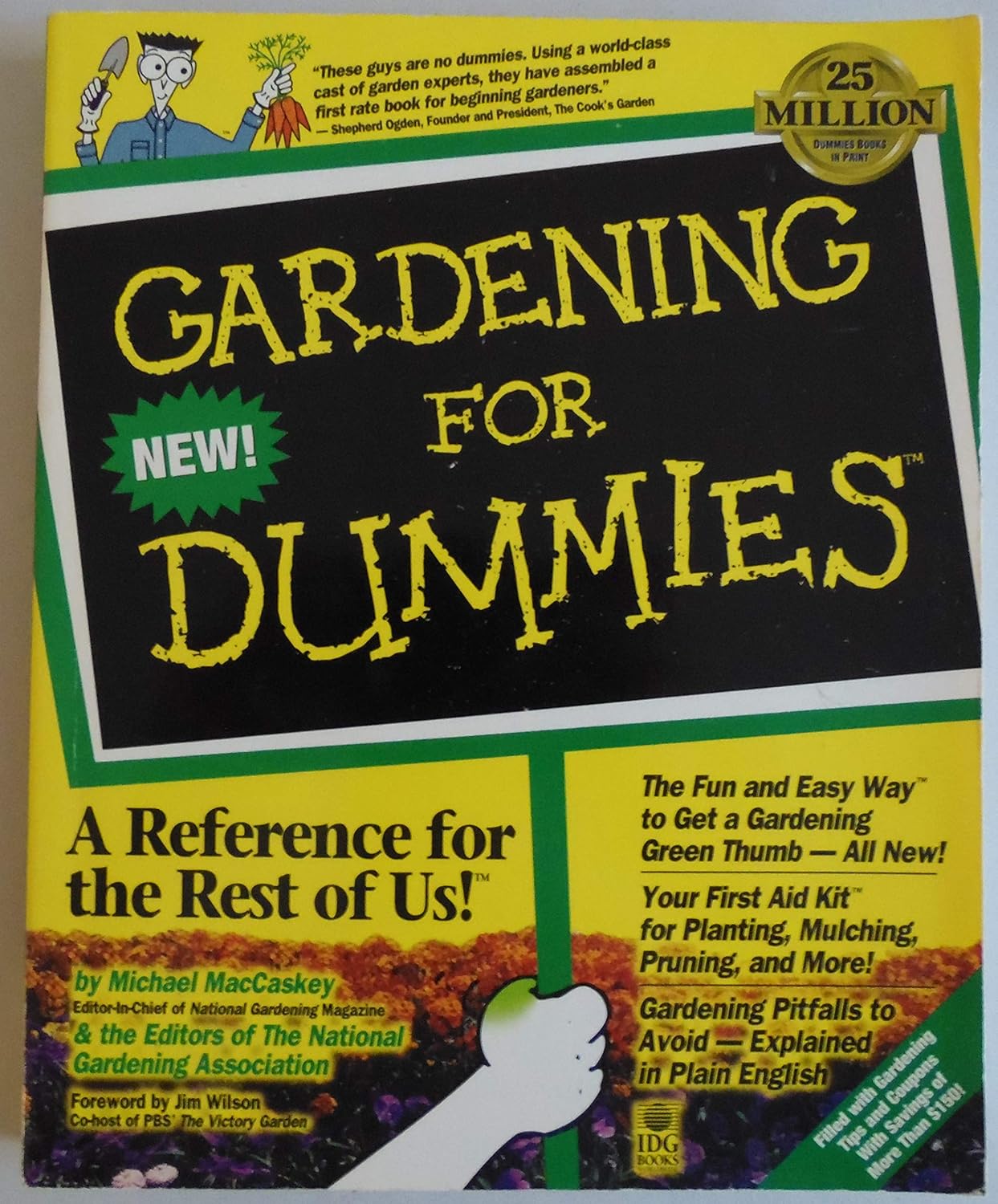
Imagine transforming your backyard into a lush, green oasis where you can grow your own fresh vegetables, vibrant flowers, and even create a serene retreat. Sounds like a dream, right? Well, it's entirely possible with a little bit of knowledge and a lot of enthusiasm. Welcome to the world of gardening for dummies—a place where even the most novice gardener can learn the basics and start their journey to becoming a green thumb.
Why Start Gardening?
Gardening is more than just a hobby; it's a way to connect with nature, reduce stress, and even improve your physical health. Whether you have a sprawling backyard or a tiny apartment balcony, there's always room for a bit of green. So, why not dive in and discover the joys of beginner gardening?
Gardening Basics: What You Need to Know
Choosing the Right Location
First things first, you need to find the perfect spot for your garden. Most plants love sunlight, so look for an area that gets at least 6-8 hours of sun per day. If you're working with limited space, consider using containers or vertical gardening techniques to maximize your area.
Selecting Your Plants
When it comes to how to grow plants, choosing the right ones is crucial. Start with easy-to-grow varieties like tomatoes, lettuce, and marigolds. These plants are forgiving and can tolerate a bit of neglect, making them ideal for beginners. As you gain more experience, you can branch out into more challenging species.
Preparing Your Soil
Healthy soil is the foundation of a thriving garden. Before you plant anything, make sure your soil is rich in nutrients. You can improve your soil by adding compost or using a balanced fertilizer. If you're unsure about the quality of your soil, consider getting it tested. Many local gardening centers offer this service for a small fee.
Plant Care Tips for Beginners
Watering Wisely
Watering is one of the most critical aspects of plant care tips. Too much water can drown your plants, while too little can leave them parched. A good rule of thumb is to water deeply once or twice a week, depending on the weather and the type of plants you have. Use a moisture meter to check the soil's dampness and adjust your watering schedule accordingly.
Fertilizing for Growth
Fertilizers provide essential nutrients that help your plants grow strong and healthy. Choose a balanced, slow-release fertilizer for your garden. Apply it according to the package instructions, usually every 4-6 weeks during the growing season. Remember, more is not always better—over-fertilizing can harm your plants.
Pest and Disease Control
Even the healthiest gardens can fall prey to pests and diseases. Keep an eye out for signs of trouble, such as yellowing leaves, wilting, or unusual spots. Use organic pest control methods like neem oil or insecticidal soap to keep your garden safe and chemical-free. If you're unsure about a particular issue, consult a local gardening expert or your local cooperative extension service.
Easy Gardening: Tips and Tricks
Companion Planting
Companion planting is a technique where you pair plants that benefit each other. For example, marigolds repel nematodes, which can harm tomatoes. By strategically placing your plants, you can create a harmonious ecosystem that naturally controls pests and diseases.
Mulching for Success
Mulching is like giving your garden a cozy blanket. It helps retain moisture, suppresses weeds, and regulates soil temperature. Use organic mulch like straw, wood chips, or shredded leaves. Apply a 2-3 inch layer around your plants, but keep it a few inches away from the stems to prevent rot.
Regular Maintenance
Gardening is an ongoing process, not a one-time task. Regularly check your plants for signs of stress, prune dead or damaged leaves, and keep your garden tidy. A little bit of maintenance goes a long way in ensuring a healthy and beautiful garden.
Conclusion
Starting your gardening journey can be both exciting and rewarding. With the right knowledge and a bit of patience, you can transform your outdoor space into a lush, green paradise. Remember, gardening for dummies is all about taking it one step at a time. Don't be afraid to make mistakes—every failed plant is a lesson learned.
So, grab your gloves, pick up your trowel, and get ready to dig in. Your green thumb awaits!
FAQs
1. What are the best plants for beginner gardeners?
Some of the best plants for beginner gardeners include tomatoes, lettuce, marigolds, and herbs like basil and mint. These plants are relatively easy to grow and can tolerate a bit of neglect.
2. How often should I water my garden?
The frequency of watering depends on the type of plants and the weather conditions. As a general rule, water deeply once or twice a week. Use a moisture meter to check the soil's dampness and adjust your watering schedule accordingly.
3. What is companion planting?
Companion planting is a technique where you pair plants that benefit each other. For example, marigolds repel nematodes, which can harm tomatoes. By strategically placing your plants, you can create a harmonious ecosystem that naturally controls pests and diseases.
4. How can I improve my soil quality?
You can improve your soil quality by adding compost or using a balanced fertilizer. Compost enriches the soil with organic matter, while fertilizers provide essential nutrients. Consider getting your soil tested to determine its specific needs.
5. What are some common gardening mistakes to avoid?
Some common gardening mistakes to avoid include overwatering, over-fertilizing, and neglecting pest and disease control. Regularly check your plants for signs of stress, prune dead or damaged leaves, and keep your garden tidy to ensure a healthy and beautiful garden.
```
Posting Komentar