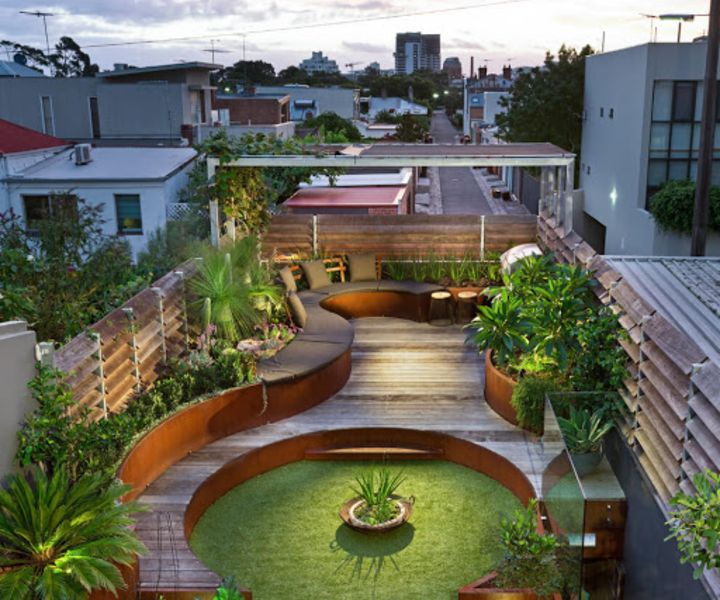
Imagine transforming your dull, unused terrace into a lush, green oasis. Sounds like a dream, right? Well, it's entirely possible with terrace gardening. Urban gardening is not just a trend; it's a lifestyle that brings nature into your concrete jungle. Whether you have a small balcony or a spacious rooftop, terrace gardening can turn your urban space into a thriving garden. So, are you ready to dive into the world of small space gardening and container gardening? Let's get started!
Why Start Terrace Gardening?
Urban agriculture is on the rise, and for good reason. Terrace gardening offers numerous benefits, from improving air quality to providing fresh produce right at your doorstep. It's a sustainable way to live, reducing your carbon footprint while adding a touch of nature to your urban environment. Plus, it's a great way to relax and unwind after a long day. So, why not turn your terrace into a green sanctuary?
Planning Your Garden Design
Assess Your Space
Before you start planting, assess your terrace. Measure the available space and consider the amount of sunlight it receives. This will help you choose the right plants and plan your garden design effectively. Remember, different plants have different light requirements, so it's crucial to match them with the right conditions.
Choose the Right Containers
Container gardening is the backbone of terrace gardening. Choose containers that are appropriate for your plants and fit well within your space. Terra cotta pots, plastic containers, and fabric grow bags are all great options. Make sure they have proper drainage to prevent root rot. Think of your containers as the foundation of your garden; they need to be sturdy and reliable.
Select Your Plants
When it comes to balcony plants, think about what you want to achieve. Are you looking for aesthetic appeal, fresh herbs, or maybe some vegetables? Herbs like basil and mint are great for small spaces. Vegetables like tomatoes and lettuce can thrive in containers. For a pop of color, consider flowers like petunias and marigolds. Mix and match to create a vibrant and diverse garden.
Vertical Gardening: Maximizing Space
If you're short on space, vertical gardening is your best friend. This technique involves growing plants upwards using trellises, wall-mounted planters, or hanging baskets. It's perfect for small balconies and can turn a plain wall into a living tapestry. Imagine a wall of lush greenery or a cascade of colorful flowers; it's not just beautiful, it's functional too.
Plant Care: Keeping Your Garden Thriving
Watering
Watering is crucial for plant care. Containers dry out faster than garden beds, so you'll need to water your plants more frequently. Check the soil moisture regularly and adjust your watering schedule accordingly. Overwatering can be just as harmful as underwatering, so find that sweet spot.
Fertilizing
Plants in containers rely on you for nutrients. Use a balanced, water-soluble fertilizer every few weeks to keep your plants healthy and thriving. Think of fertilizer as the plant's multivitamin; it provides all the essential nutrients they need to grow strong and vibrant.
Pest Control
Pests can be a nuisance, but with regular monitoring, you can keep them at bay. Use organic pesticides or natural remedies like neem oil to protect your plants. Remember, prevention is better than cure, so keep an eye out for any signs of infestation.
Designing Your Terrace Garden
Garden design is where you get to express your creativity. Arrange your containers in a way that maximizes space and aesthetics. Use different heights and textures to create depth and interest. Think of your terrace as a blank canvas; you get to paint it with greenery and color.
Maintaining Your Terrace Garden
Maintaining your terrace garden is an ongoing process. Regularly prune your plants to encourage growth and keep them looking tidy. Remove dead leaves and flowers to prevent disease. And don't forget to enjoy the process! Gardening is a labor of love, and the rewards are well worth the effort.
Conclusion
Starting a terrace garden is a rewarding journey that brings nature into your urban life. From planning your garden design to choosing the right plants and containers, every step is an opportunity to create something beautiful and sustainable. So, why wait? Transform your terrace into a green oasis today and experience the joy of urban gardening. Remember, every small step counts in the world of small space gardening. Happy gardening!
FAQs
1. What are the best plants for a shady terrace?
For shady terraces, consider plants like ferns, hostas, and impatiens. These plants thrive in low light conditions and add a touch of greenery to your space.
2. How do I ensure proper drainage in my containers?
Ensure your containers have drainage holes at the bottom. Add a layer of gravel or small pebbles at the base to facilitate water flow and prevent root rot.
3. Can I grow vegetables on my terrace?
Absolutely! Vegetables like tomatoes, lettuce, and herbs can thrive in containers. Just make sure they get enough sunlight and water.
4. What is the best time to start a terrace garden?
The best time to start a terrace garden is during the spring or fall when the weather is mild. This gives your plants time to establish before the extremes of summer or winter.
5. How do I deal with pests in my terrace garden?
Regularly monitor your plants for signs of pests. Use organic pesticides or natural remedies like neem oil to keep them at bay. Prevention is key, so keep your garden clean and healthy.
```
Posting Komentar