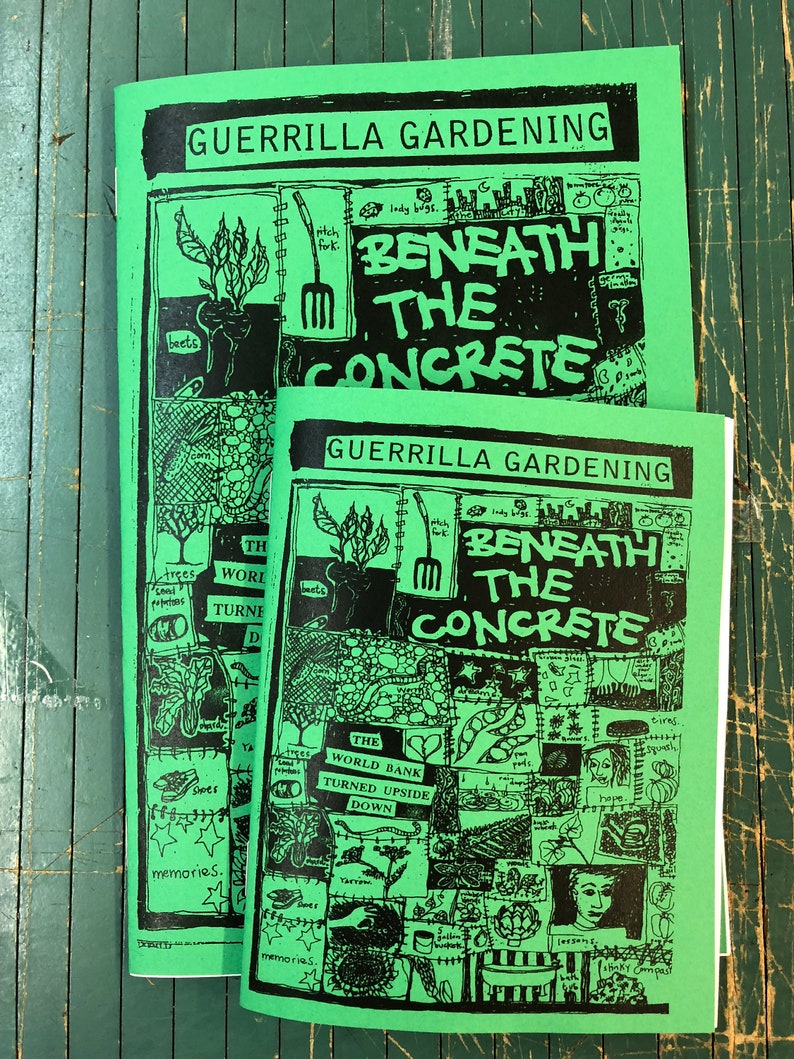
Imagine transforming the dull, gray concrete jungles of your city into vibrant, green urban spaces. Guerrilla gardening beneath the concrete is not just a dream; it's a growing movement that empowers individuals like you to reclaim urban landscapes and create beautiful, sustainable environments. Whether you're a seasoned urban gardener or a novice looking to make a difference, this guide will walk you through the steps to start your own concrete transformation project.
Understanding Guerrilla Gardening
Guerrilla gardening is more than just planting flowers in unexpected places. It's a form of peaceful protest, a way to beautify neglected areas, and a means to foster community engagement. By practicing guerrilla gardening techniques, you're not only adding a splash of color to your neighborhood but also contributing to the overall health of your city. Think of it as a silent revolution, where every seed you plant is a step towards a greener, more livable urban environment.
Why Start Guerrilla Gardening?
There are countless reasons to dive into concrete gardening ideas. For starters, it's an excellent way to combat urban heat islands, which are areas in cities that are significantly warmer than their rural surroundings. By introducing green spaces, you can help lower temperatures and improve air quality. Moreover, guerrilla gardening can boost community morale, encourage social interaction, and even increase property values. So, why not roll up your sleeves and get started?
Getting Started with Guerrilla Gardening
Choosing the Right Location
The first step in your guerrilla gardening journey is to find the perfect spot. Look for areas that are neglected, overgrown, or simply in need of a makeover. These could be vacant lots, abandoned sidewalks, or even the median strips of busy roads. Remember, the goal is to transform these spaces into thriving green urban spaces that benefit both the environment and the community.
Gathering Your Tools and Supplies
Once you've identified your location, it's time to gather your tools and supplies. You'll need a few essentials to get started, including:
- A shovel or spade for digging
- Gloves to protect your hands
- Seeds or seedlings that are suitable for your climate
- Compost or soil to enrich the concrete
- A watering can or hose to keep your plants hydrated
Don't forget to consider the specific needs of your plants. Some may require more sunlight, while others might need shade. Research the best plants for your chosen location to ensure they thrive.
Guerrilla Gardening Techniques
Breaking Through the Concrete
Breaking through concrete might sound daunting, but with the right tools and techniques, it's entirely doable. Start by using a hammer and chisel to create small holes in the concrete. These holes will serve as entry points for your plants. Once you've created enough holes, use a shovel or spade to dig deeper and remove any debris. Remember, the goal is to create a space for your plants to grow, not to destroy the concrete entirely.
Preparing the Soil
After breaking through the concrete, it's time to prepare the soil. Mix in compost or enriched soil to provide your plants with the nutrients they need to grow. This step is crucial, as the soil beneath concrete is often depleted of essential nutrients. By adding compost, you're giving your plants a fighting chance to thrive in their new environment.
Planting Your Seeds or Seedlings
Now comes the fun part: planting your seeds or seedlings. Choose plants that are hardy and can withstand the challenges of urban gardening. Native plants are often a great choice, as they are adapted to the local climate and require less maintenance. Once you've planted your seeds or seedlings, water them thoroughly and keep an eye on them as they grow.
Maintaining Your Guerrilla Garden
Watering and Weeding
Regular watering and weeding are essential for the health of your guerrilla garden. Make sure to water your plants consistently, especially during the hot summer months. Weeding is also crucial, as unwanted plants can compete with your garden for nutrients and water. Set aside time each week to tend to your garden and keep it looking its best.
Dealing with Pests and Diseases
Guerrilla gardens, like any other garden, can be susceptible to pests and diseases. Keep an eye out for signs of trouble, such as discolored leaves or unusual growth patterns. If you notice any issues, address them promptly to prevent them from spreading. Organic pest control methods are often the best choice, as they are safer for the environment and your plants.
Engaging the Community
Guerrilla gardening is not just about transforming concrete into green spaces; it's also about building community. Engage your neighbors and fellow urban gardeners by sharing your knowledge and experiences. Organize community gardening events or workshops to inspire others to join the movement. The more people involved, the greater the impact on your city.
Conclusion
Starting guerrilla gardening beneath the concrete is a rewarding and impactful way to transform your urban environment. By following these steps and embracing guerrilla gardening techniques, you can create beautiful, sustainable green urban spaces that benefit both the environment and the community. So, what are you waiting for? Grab your tools, choose your location, and start your concrete transformation today. The world is waiting for your green revolution.
FAQs
What are the best plants for guerrilla gardening?
Choose hardy, native plants that are adapted to your local climate. Some great options include succulents, wildflowers, and grasses. These plants require less maintenance and are more likely to thrive in urban environments.
Is guerrilla gardening legal?
The legality of guerrilla gardening varies by location. In some cities, it is encouraged and supported, while in others, it may be considered trespassing or vandalism. Always check local laws and regulations before starting your project. If in doubt, consult with local gardening groups or community organizations for guidance.
How can I involve my community in guerrilla gardening?
Organize community events, workshops, or clean-up days to engage your neighbors. Share your knowledge and experiences, and encourage others to join the movement. The more people involved, the greater the impact on your city.
What tools do I need for guerrilla gardening?
Essential tools for guerrilla gardening include a shovel or spade, gloves, seeds or seedlings, compost or soil, and a watering can or hose. Depending on the location, you may also need a hammer and chisel to break through concrete.
How do I maintain my guerrilla garden?
Regular watering, weeding, and pest control are essential for maintaining your guerrilla garden. Set aside time each week to tend to your garden and keep it looking its best. Engage your community for support and shared responsibility.
```
Posting Komentar