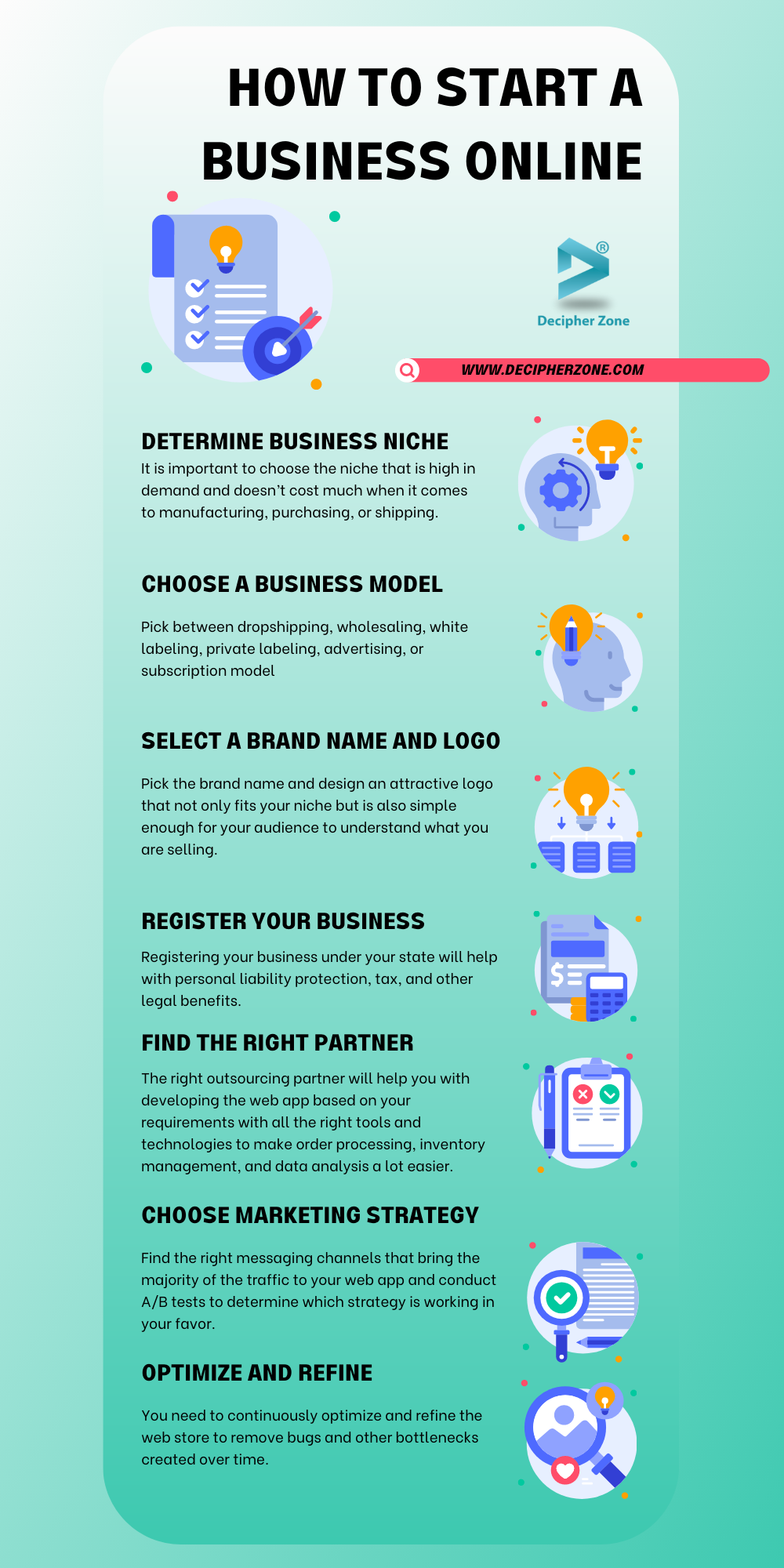
Imagine waking up every morning, brewing your favorite coffee, and logging into your laptop to manage a thriving online business. Sounds like a dream, right? But for many, it's a reality. Starting an online business can be your ticket to financial freedom and a flexible lifestyle. Whether you're looking to supplement your income or replace your 9-to-5 job, this beginner's guide will walk you through the essential steps to launch your digital marketing empire.
Understanding the Basics of Online Entrepreneurship
Before diving into the nitty-gritty of starting an online business, it's crucial to understand what online entrepreneurship entails. At its core, online entrepreneurship involves creating and managing a business that operates primarily over the internet. This can include e-commerce strategies, digital marketing, and various other online services.
Think of your online business as a digital storefront. Just like a physical store, you need to attract customers, provide excellent service, and ensure your products or services stand out. The difference? Your storefront is accessible 24/7 from anywhere in the world.
Identifying Your Niche
The first step in starting an online business is identifying your niche. What are you passionate about? What skills do you have? What problems can you solve for your customers? Answering these questions will help you narrow down your focus and create a unique value proposition.
For example, if you love baking, you might start an online bakery. If you're skilled in graphic design, you could offer digital marketing services. The key is to find a niche that you're passionate about and that has a demand in the market.
Conducting Market Research
Once you've identified your niche, the next step is conducting market research. This involves understanding your target audience, analyzing your competition, and identifying market trends. Market research will help you make informed decisions about your business startup and ensure you're meeting the needs of your customers.
Use tools like Google Trends, social media, and online forums to gather information. Talk to potential customers and ask for their feedback. The more you know about your market, the better equipped you'll be to succeed.
Building Your Online Presence
With your niche and market research in hand, it's time to build your online presence. This involves creating a website, setting up social media profiles, and establishing your brand identity.
Creating a Professional Website
Your website is the cornerstone of your online business. It's where customers will go to learn about your products or services, make purchases, and engage with your brand. Invest in a professional website design that is user-friendly, mobile-responsive, and optimized for search engines.
Platforms like WordPress, Shopify, and Wix make it easy to create a stunning website without any coding knowledge. Choose a platform that aligns with your business needs and start building your digital storefront.
Setting Up Social Media Profiles
Social media is a powerful tool for online entrepreneurship. It allows you to connect with your audience, promote your products or services, and build a community around your brand. Set up profiles on platforms like Facebook, Instagram, Twitter, and LinkedIn.
Consistency is key when it comes to social media. Post regularly, engage with your followers, and use relevant hashtags to increase your visibility. Remember, social media is about building relationships, not just selling products.
Developing Your E-commerce Strategies
With your online presence established, it's time to develop your e-commerce strategies. This involves choosing the right e-commerce platform, setting up payment gateways, and implementing digital marketing tactics.
Choosing the Right E-commerce Platform
Selecting the right e-commerce platform is crucial for the success of your online business. Consider factors like ease of use, customization options, and scalability. Popular e-commerce platforms include Shopify, WooCommerce, and BigCommerce.
Each platform has its strengths and weaknesses, so do your research and choose the one that best fits your business needs. Remember, your e-commerce platform is the backbone of your online store, so invest in a reliable and secure solution.
Setting Up Payment Gateways
Payment gateways are essential for processing online transactions. Choose a payment gateway that is secure, reliable, and supports multiple payment methods. Popular payment gateways include PayPal, Stripe, and Square.
Ensure your payment gateway is integrated seamlessly into your website for a smooth checkout experience. The easier it is for customers to make purchases, the more likely they are to complete their transactions.
Implementing Digital Marketing Tactics
Digital marketing is the lifeblood of your online business. It involves using various online channels to promote your products or services and drive traffic to your website. Tactics include search engine optimization (SEO), content marketing, email marketing, and social media advertising.
Start by optimizing your website for search engines. Use relevant keywords, create high-quality content, and build backlinks to improve your search engine rankings. Content marketing involves creating valuable content that attracts and engages your audience. Email marketing allows you to build relationships with your customers and promote your products or services directly.
Social media advertising is a powerful way to reach a larger audience. Use platforms like Facebook Ads, Instagram Ads, and Google Ads to target potential customers and drive traffic to your website.
Launching and Growing Your Online Business
With your e-commerce strategies in place, it's time to launch your online business. This involves soft-launching your website, gathering feedback, and making necessary adjustments. Once you're ready, go live and start promoting your business.
Soft-Launching Your Website
A soft launch allows you to test your website and gather feedback before going live. Invite a small group of friends, family, or beta testers to explore your website and provide feedback. Use their insights to make necessary adjustments and ensure a smooth launch.
Remember, a soft launch is not about perfection but about gathering valuable feedback. Be open to criticism and use it to improve your website and customer experience.
Promoting Your Online Business
Promoting your online business is an ongoing process. Use a mix of digital marketing tactics to reach a larger audience and drive traffic to your website. Engage with your audience on social media, create valuable content, and use email marketing to build relationships.
Consider partnering with influencers or bloggers in your niche to expand your reach. Collaborations can help you tap into new audiences and build credibility. Remember, consistency is key when it comes to promoting your online business. Keep experimenting with different tactics and measure their effectiveness.
Conclusion
Starting an online business is an exciting journey filled with opportunities and challenges. By understanding the basics of online entrepreneurship, building a strong online presence, developing effective e-commerce strategies, and promoting your business, you can turn your dream into a reality.
Remember, success doesn't happen overnight. It takes time, effort, and patience. Stay focused on your goals, be open to learning, and don't be afraid to pivot when necessary. With the right mindset and strategies, you can build a thriving online business that provides financial freedom and a flexible lifestyle.
So, are you ready to take the first step towards your online entrepreneurship journey? Start today and watch your business grow.
FAQs
1. What are the first steps to starting an online business?
The first steps to starting an online business include identifying your niche, conducting market research, building your online presence, and developing your e-commerce strategies. These steps will help you lay a strong foundation for your business and ensure you're meeting the needs of your customers.
2. How do I choose the right e-commerce platform?
Choosing the right e-commerce platform involves considering factors like ease of use, customization options, and scalability. Popular e-commerce platforms include Shopify, WooCommerce, and BigCommerce. Do your research and choose the one that best fits your business needs.
3. What are some effective digital marketing tactics for an online business?
Effective digital marketing tactics for an online business include search engine optimization (SEO), content marketing, email marketing, and social media advertising. These tactics can help you reach a larger audience, drive traffic to your website, and build relationships with your customers.
4. How do I promote my online business?
Promoting your online business involves using a mix of digital marketing tactics to reach a larger audience and drive traffic to your website. Engage with your audience on social media, create valuable content, use email marketing, and consider partnering with influencers or bloggers in your niche.
5. What is the importance of a soft launch for an online business?
A soft launch allows you to test your website and gather feedback before going live. It helps you identify any issues, make necessary adjustments, and ensure a smooth launch. A soft launch is not about perfection but about gathering valuable feedback to improve your website and customer experience.
```
Posting Komentar