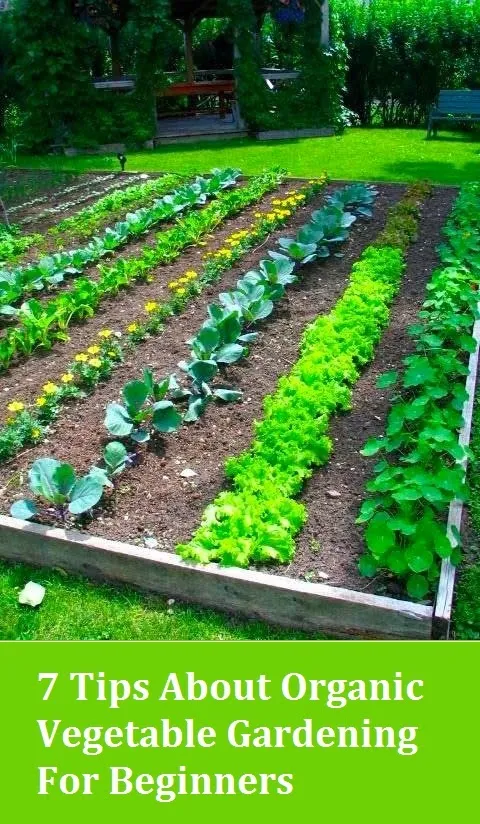
Imagine the satisfaction of biting into a crisp, juicy tomato fresh from your own garden, knowing that it was grown without harmful chemicals. Organic vegetable gardening for beginners is not just a hobby; it's a journey towards sustainable living and healthier eating. Whether you have a sprawling backyard or a tiny balcony, starting a home vegetable garden can be a rewarding experience. Let's dive into the world of organic gardening techniques and vegetable gardening tips that will help you create a thriving, eco-friendly garden.
Why Choose Organic Vegetable Gardening?
Organic gardening is more than just a trend; it's a commitment to the environment and your health. By avoiding synthetic fertilizers and pesticides, you reduce your carbon footprint and create a safer habitat for beneficial insects and wildlife. Plus, the vegetables you grow will be free from harmful residues, making them healthier for you and your family. So, why not take the first step towards sustainable gardening and start your own organic vegetable garden?
Getting Started: Your Beginner Gardening Guide
Choose the Right Location
The success of your home vegetable garden starts with the right location. Most vegetables need at least 6-8 hours of sunlight per day, so choose a spot that gets plenty of sun. If you're short on space, consider vertical gardening or container gardening. These methods allow you to grow vegetables in small spaces, making them perfect for urban dwellers.
Prepare Your Soil
Healthy soil is the foundation of a successful organic garden. Start by testing your soil pH to ensure it's suitable for the vegetables you want to grow. Most vegetables prefer a pH between 6.0 and 7.0. To improve your soil, add plenty of organic matter like compost or well-rotted manure. This will provide essential nutrients and improve soil structure, making it easier for roots to penetrate.
Select Your Vegetables
As a beginner, it's best to start with easy-to-grow vegetables. Some great options include lettuce, radishes, beans, and tomatoes. These vegetables are forgiving and can tolerate a bit of neglect, making them perfect for new gardeners. As you gain experience, you can gradually introduce more challenging plants to your garden.
Organic Gardening Techniques for Success
Composting: Nature's Recycling System
Composting is a key component of organic gardening. By turning kitchen scraps and yard waste into nutrient-rich compost, you create a natural fertilizer for your garden. Plus, composting reduces waste sent to landfills, making it an eco-friendly practice. To get started, set up a compost bin in a shady spot and add a mix of green (nitrogen-rich) and brown (carbon-rich) materials. Turn the pile regularly to aerate it and speed up the decomposition process.
Mulching: Protect and Nourish
Mulching is another essential organic gardening technique. A layer of organic mulch, such as straw or wood chips, helps retain moisture, suppresses weeds, and regulates soil temperature. As the mulch breaks down, it adds organic matter to the soil, improving its structure and fertility. Apply a 2-3 inch layer of mulch around your plants, keeping it a few inches away from the stems to prevent rot.
Natural Pest Control
In an organic garden, pests are managed without the use of synthetic chemicals. Instead, rely on natural pest control methods like companion planting, beneficial insects, and homemade remedies. For example, planting marigolds alongside your vegetables can repel nematodes, while attracting ladybugs can help control aphid populations. For persistent pests, try using insecticidal soap or neem oil, both of which are safe for humans
Posting Komentar