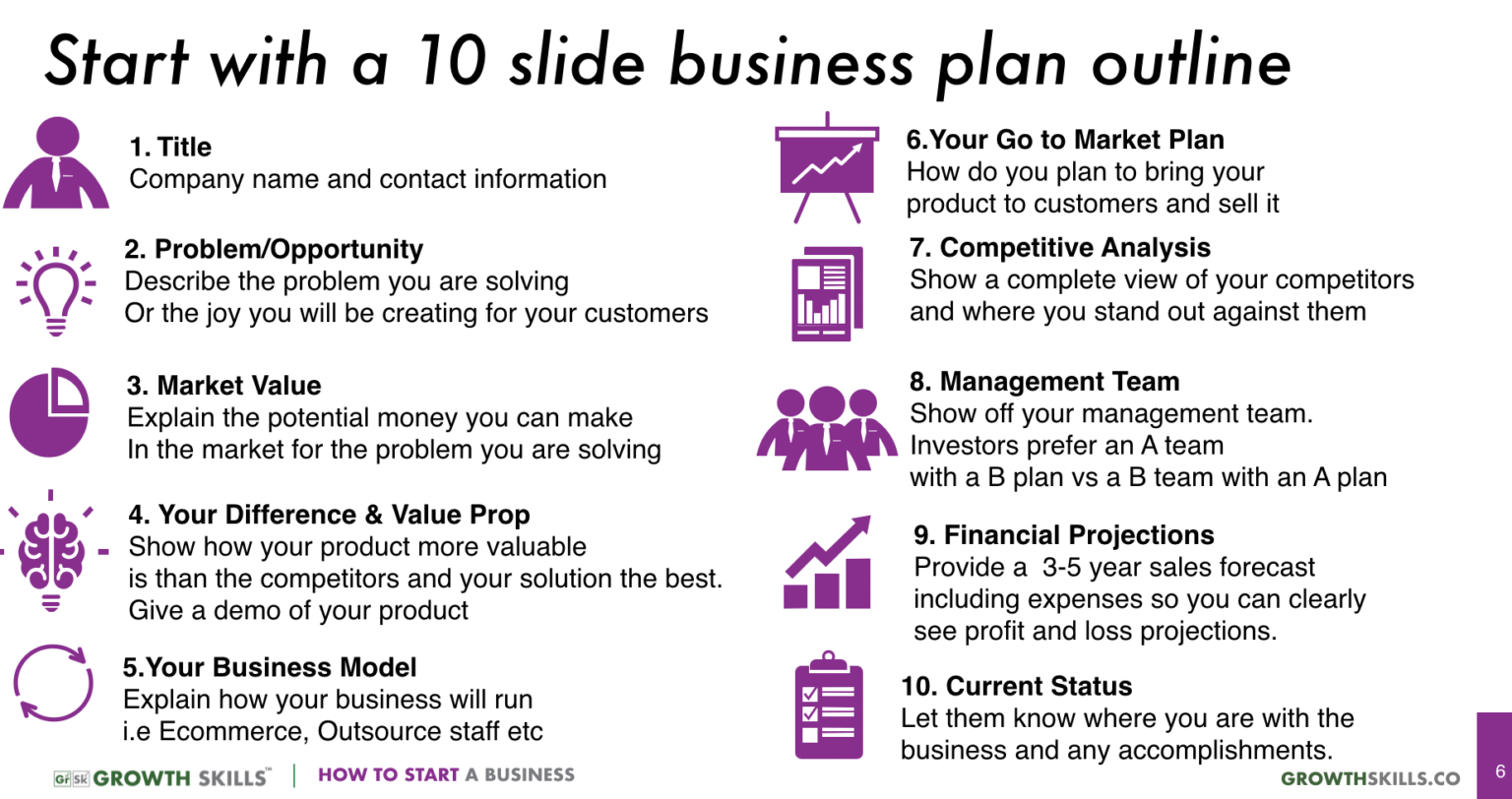
Imagine you're embarking on a journey to a distant land. You wouldn't set off without a map, would you? The same principle applies to starting a business. A well-crafted business plan is your map, guiding you through the complexities of entrepreneurship. But how do you write a business plan step by step? Let's dive in and explore the essential components of a business plan outline that will set you on the path to success.
Understanding the Basics of a Business Plan
Before we delve into the specifics, let's clarify what a business plan is. It's a comprehensive document that outlines your business goals, strategies, target market, and financial projections. Think of it as a blueprint for your business strategy, helping you to visualize your vision and communicate it effectively to stakeholders.
How to Write a Business Plan Step by Step
Step 1: Crafting Your Executive Summary
The executive summary is the first section of your business plan and arguably the most important. It's a concise overview of your entire business plan, highlighting the key points. Think of it as the elevator pitch of your business plan. It should be compelling enough to hook the reader and make them want to learn more. Include your business name, mission statement, products or services, target market, and financial projections. Remember, this section is written last, even though it appears first in the business plan outline.
Step 2: Describing Your Company
In this section, provide detailed information about your company. Who are you? What do you do? What makes you unique? This is where you paint a vivid picture of your business, including your history, mission, and values. Use this space to tell your story and make an emotional connection with the reader. After all, people invest in people, not just ideas.
Step 3: Conducting a Market Analysis
Market analysis is the backbone of your business plan. It involves researching your industry, market, and competitors. The goal is to understand your target audience, their needs, and how your business can meet those needs better than your competitors. This section should include data on market size, trends, and customer segments. Use charts and graphs to visualize your findings and make the information more digestible.
Step 4: Outlining Your Organization and Management Structure
Who are the key players in your business? What roles do they play? This section provides an overview of your organizational structure, including ownership, management team, and employees. Highlight the skills and experiences of your team members, emphasizing how their expertise will contribute to the success of your business. Remember, investors want to see a capable and experienced team behind the business.
Step 5: Developing Your Products or Services
What are you selling? How does it benefit your customers? This section describes your products or services in detail. Explain the problem they solve, their unique features, and how they stand out from the competition. Include any intellectual property, such as patents or trademarks, and discuss your product lifecycle and future development plans.
Step 6: Planning Your Marketing and Sales Strategy
How will you reach your customers and convince them to buy your products or services? This section outlines your marketing and sales strategy. Discuss your pricing strategy, sales channels, and promotional tactics. Include a marketing plan that covers advertising, public relations, and social media. The goal is to create a comprehensive strategy that will drive customer acquisition and retention.
Step 7: Creating Financial Projections
Numbers don't lie, and investors want to see that your business is financially viable. This section includes your financial projections, such as income statements, balance sheets, and cash flow statements. Provide historical financial data if available, and forecast future financial performance. Include a break-even analysis to show when your business will become profitable. Be realistic and conservative in your projections, as overestimating can raise red flags.
Step 8: Seeking Funding (If Necessary)
If you're seeking funding, this section is crucial. It outlines your funding requirements, the types of funding you're seeking, and how you plan to use the funds. Include details about potential investors or lenders and how you will repay the funding. Be transparent and provide all necessary financial information to build trust with potential investors.
Step 9: Appending Supporting Documents
The appendix is an optional section where you can include supporting documents, such as resumes, permits, leases, and any other relevant information. This section is not essential for all business plans but can be useful for providing additional context and credibility.
Reviewing and Refining Your Business Plan
Once you've completed your business plan, it's time to review and refine it. Share it with mentors, advisors, and potential investors to get feedback. Be open to constructive criticism and make necessary revisions. Remember, your business plan is a living document that should evolve as your business grows.
Conclusion
Writing a business plan step by step might seem daunting, but it's a crucial step in turning your business idea into a reality. By following this comprehensive guide, you'll create a solid business plan outline that serves as your roadmap to success. So, are you ready to embark on this exciting journey? Grab your pen and paper, and let's get started!
FAQs
1. What is the purpose of a business plan?
A business plan serves multiple purposes, including outlining your business goals, strategies, and financial projections. It helps you communicate your vision to stakeholders, secure funding, and guide your business strategy.
2. How long should a business plan be?
The length of a business plan can vary, but it typically ranges from 15 to 30 pages. The key is to be concise and focused, providing all necessary information without overwhelming the reader.
3. Do I need a business plan if I'm not seeking funding?
Even if you're not seeking funding, a business plan is essential. It helps you clarify your business goals, identify potential challenges, and develop strategies for success. Think of it as a roadmap for your business journey.
4. How often should I update my business plan?
A business plan is a living document that should be updated regularly. Review and refine it at least annually, or whenever there are significant changes in your business or market conditions.
5. Can I write a business plan myself, or should I hire a professional?
You can certainly write a business plan yourself, especially if you're familiar with the process. However, hiring a professional can provide valuable expertise and ensure that your business plan is comprehensive and compelling. Consider your budget and needs when making this decision.
Posting Komentar