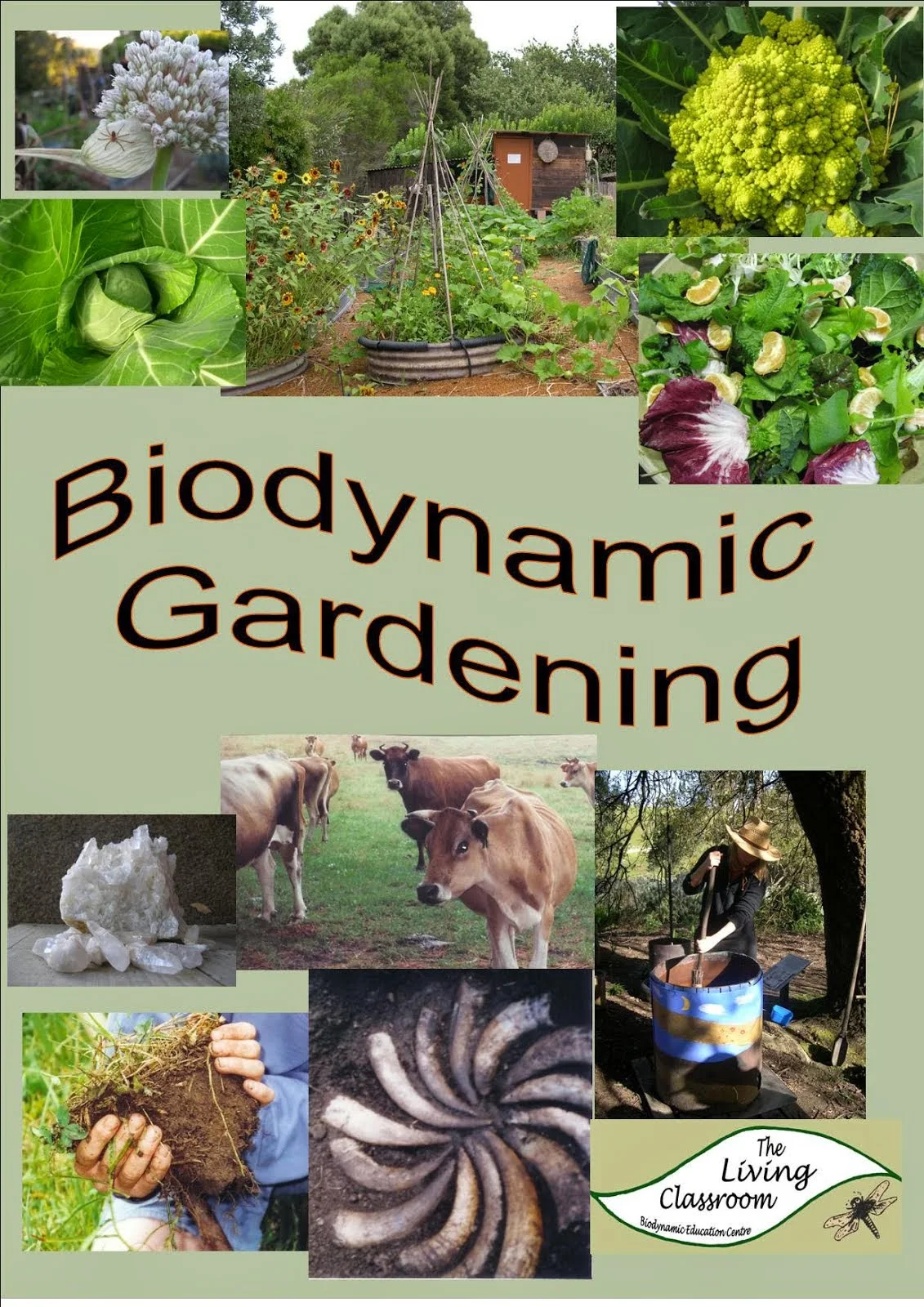
Imagine a garden that thrives not just because of the sun and rain, but because it's a living, breathing ecosystem. A garden where every element, from the soil to the stars, plays a crucial role in producing the most nutritious and flavorful organic food. Welcome to the world of biodynamic gardening methods for organic food, a holistic approach to organic gardening that goes beyond sustainable agriculture. It's like conducting a symphony where every instrument—soil health, composting, crop rotation, and natural fertilizers—plays in perfect harmony.
Understanding Biodynamic Gardening Methods for Organic Food
Biodynamic gardening is more than just organic gardening; it's a philosophy that treats the garden as a self-sustaining organism. Developed by Rudolf Steiner in the early 20th century, biodynamic farming integrates principles of permaculture and holistic gardening to create a balanced and productive ecosystem. But what sets biodynamic gardening apart from conventional organic food production?
The Foundations of Biodynamic Gardening
At the heart of biodynamic gardening methods for organic food is the concept of soil health. Healthy soil is the foundation of any successful garden, and biodynamic gardening takes this to the next level. By focusing on composting and natural fertilizers, biodynamic gardeners create a rich, living soil that supports robust plant growth. Think of it as building a strong foundation for a house—without it, the structure will crumble.
Composting: The Lifeblood of Biodynamic Gardening
Composting is a cornerstone of biodynamic gardening methods for organic food. By turning kitchen scraps and garden waste into nutrient-rich compost, you're not just reducing waste; you're creating a vital resource for your garden. But biodynamic composting goes a step further. It involves specific preparations and timing, often aligned with lunar cycles, to enhance the compost's effectiveness. It's like brewing a fine wine—every step counts.
Crop Rotation: The Dance of the Seasons
Crop rotation is another key practice in biodynamic gardening. By rotating crops, you prevent the depletion of soil nutrients and reduce the risk of pests and diseases. It's like a dance where each plant takes its turn to shine, ensuring that the soil remains fertile and balanced. In biodynamic gardening, this dance is choreographed with precision, considering the unique needs and benefits of each plant.
The Role of Natural Fertilizers in Biodynamic Gardening
Natural fertilizers are the lifeblood of biodynamic gardening methods for organic food. Unlike synthetic fertilizers, natural fertilizers nourish the soil and plants without harming the environment. They come in various forms, from compost tea to manure, each with its unique benefits. But in biodynamic gardening, these fertilizers are used thoughtfully, often in conjunction with specific preparations and timing to maximize their effectiveness.
Preparations and Timing: The Art of Biodynamic Gardening
Biodynamic gardening methods for organic food involve a series of preparations and timing that might seem mystical to the uninitiated. These preparations, often involving herbs and minerals, are used to enhance soil health and plant growth. Timing is also crucial, with many biodynamic gardeners aligning their activities with lunar and astrological cycles. It's like following a secret recipe that only the initiated know—every ingredient and step matters.
The Benefits of Biodynamic Gardening for Organic Food Production
So, why should you consider biodynamic gardening methods for organic food? The benefits are numerous. For starters, biodynamic gardening produces food that is not just organic but also incredibly nutritious and flavorful. It's like comparing a home-cooked meal to fast food—there's no contest. But the benefits go beyond the plate. Biodynamic gardening promotes soil health, reduces environmental impact, and creates a self-sustaining ecosystem. It's a win-win for you and the planet.
Getting Started with Biodynamic Gardening
Ready to dive into biodynamic gardening methods for organic food? Here are some steps to get you started. First, assess your soil health. What nutrients does it need? What pests and diseases are you likely to encounter? Next, plan your composting and natural fertilizers. What materials will you use? How will you time your applications? Finally, consider your crop rotation. What plants will you grow? How will you rotate them to maintain soil health?
Remember, biodynamic gardening is a journey, not a destination. It's about learning, adapting, and growing with your garden. So, don't be afraid to experiment, make mistakes, and learn from them. After all, even the most experienced gardeners are still learning.
Conclusion
Biodynamic gardening methods for organic food offer a holistic, sustainable approach to organic gardening. By focusing on soil health, composting, crop rotation, and natural fertilizers, you can create a thriving ecosystem that produces nutritious and flavorful food. So, why not give it a try? Your garden—and your taste buds—will thank you. So, roll up your sleeves, get your hands dirty, and let the journey of biodynamic gardening begin. Who knows, you might just discover a new passion and a deeper connection with nature.
FAQs
What is the difference between biodynamic gardening and conventional organic gardening?
Biodynamic gardening goes beyond conventional organic gardening by treating the garden as a self-sustaining organism. It integrates principles of permaculture and holistic gardening, focusing on soil health, composting, crop rotation, and natural fertilizers, often aligned with lunar and astrological cycles.
Can I use synthetic fertilizers in biodynamic gardening?
No, biodynamic gardening methods for organic food rely on natural fertilizers to nourish the soil and plants without harming the environment. Synthetic fertilizers are not used in biodynamic gardening.
How do I start composting in my biodynamic garden?
Start by collecting kitchen scraps and garden waste. Layer them in a compost pile, adding water and turning the pile regularly to aerate it. In biodynamic gardening, specific preparations and timing, often aligned with lunar cycles, are used to enhance the compost's effectiveness.
What is crop rotation and why is it important in biodynamic gardening?
Crop rotation involves rotating crops to prevent the depletion of soil nutrients and reduce the risk of pests and diseases. In biodynamic gardening, this practice is choreographed with precision, considering the unique needs and benefits of each plant.
How do I know if my soil is healthy?
Assess your soil health by testing its nutrient levels, pH, and structure. Look for signs of life, such as earthworms and microorganisms. Healthy soil is the foundation of a successful biodynamic garden, so it's crucial to understand and improve your soil's health.
```
Posting Komentar