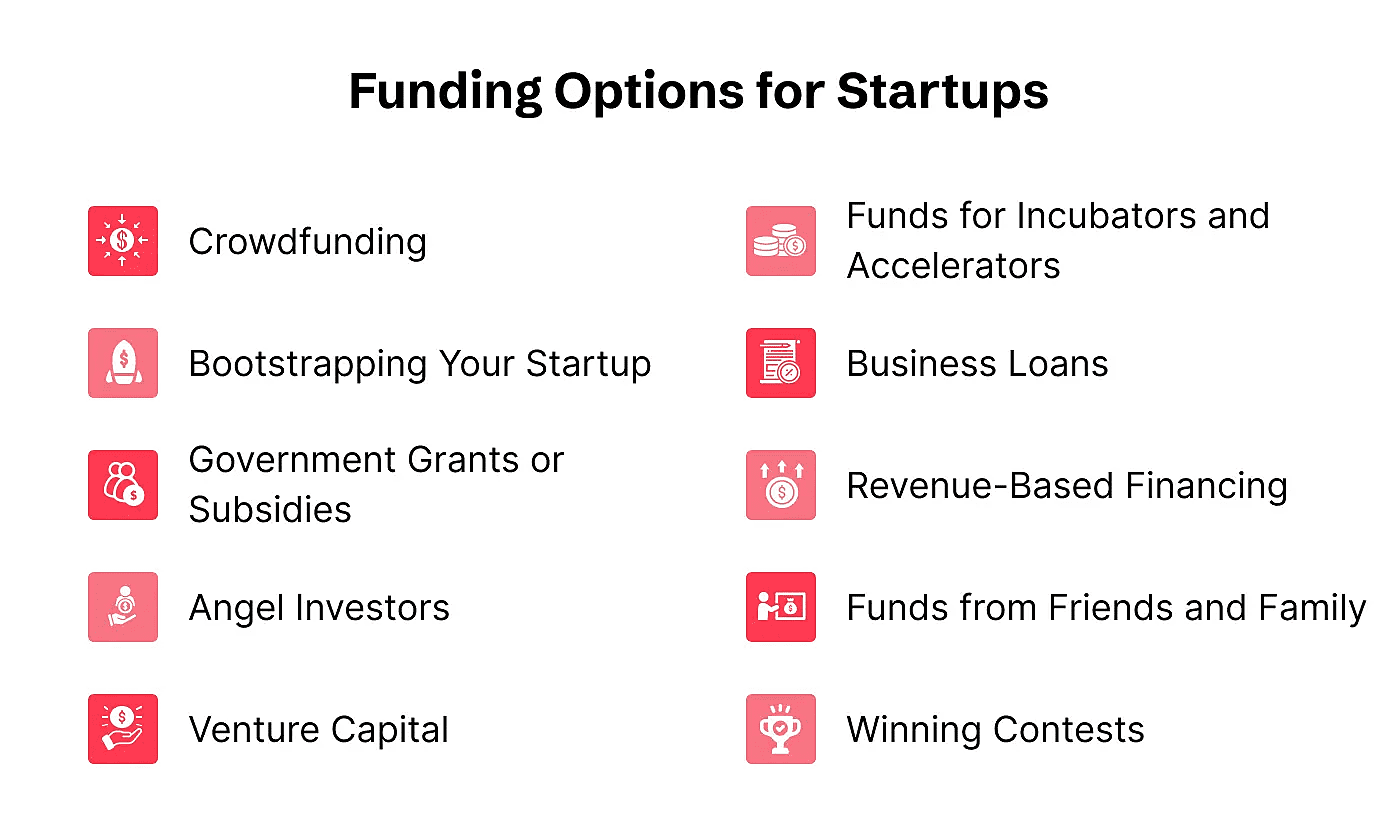
Imagine you're standing at the base of a towering mountain, your startup being the peak you aim to conquer. The path is treacherous, and you need the right gear and supplies to make it to the top. In the world of entrepreneurship, that gear is your startup capital, and the supplies are the various small business funding options for startups. So, how do you fuel your entrepreneurial journey? Let's explore the diverse funding sources available to turn your startup dreams into reality.
Understanding Startup Capital
Startup capital is the initial funding you need to launch your business. It covers everything from product development and market research to operational costs and marketing efforts. Think of it as the seed that, when nurtured with the right resources, can grow into a thriving business. But where do you find this seed funding?
Bootstrapping: The DIY Approach
Bootstrapping is like building a house with your own hands. You use your personal savings, credit cards, or loans from friends and family to get your business off the ground. This method gives you full control over your business but can be risky if you don't have a solid financial cushion. It's a testament to your commitment and resourcefulness, but it's not always enough to sustain long-term growth.
Crowdfunding: The Power of the Crowd
Crowdfunding is like throwing a party where everyone brings a dish. Platforms like Kickstarter and Indiegogo allow you to raise small amounts of money from a large number of people. In return, you offer rewards or early access to your product. This method not only provides funding but also validates your business idea and builds a community of early supporters. However, it requires a compelling pitch and a lot of effort to promote your campaign.
Exploring Business Investment Options
If bootstrapping and crowdfunding aren't enough, you might need to look into more substantial funding sources. This is where business investment comes into play. Investors provide the capital you need in exchange for a stake in your company. But who are these investors, and how do you attract them?
Angel Investors: The Guardian Angels of Startups
Angel investors are wealthy individuals who invest in startups in exchange for equity. They often provide not just capital but also mentorship and industry connections. Think of them as your business guardian angels, guiding you through the early stages of your entrepreneurial journey. However, securing angel investment can be competitive, and you'll need a strong pitch and a solid business plan to stand out.
Venture Capital: The Big Leagues
Venture capital is like playing in the big leagues. Venture capitalists (VCs) manage funds on behalf of others and invest in startups with high growth potential. They provide large sums of money but expect significant returns on their investment. This type of funding is ideal for startups with scalable business models and a clear path to profitability. However, it often comes with strings attached, such as giving up a substantial portion of your company's equity and decision-making power.
Navigating Entrepreneurial Finance
Entrepreneurial finance is the art of managing your startup's financial resources. It involves understanding your funding options, creating a budget, and making strategic financial decisions. But how do you navigate this complex landscape?
Grants: Free Money?
Grants are like finding money in your pocket that you didn't know was there. They are non-repayable funds provided by governments, corporations, or foundations to support specific business activities. Grants can be a game-changer for startups, but they often come with strict eligibility criteria and reporting requirements. Researching and applying for grants can be time-consuming, but the payoff can be substantial.
Small Business Loans: Borrowing for Growth
Small business loans are like taking out a loan to buy a car. You borrow money from a bank or financial institution and repay it with interest over time. Loans can provide the capital you need to expand your business, but they come with the risk of debt. To secure a loan, you'll need a strong credit history, a solid business plan, and collateral to secure the loan.
Conclusion
Navigating the world of small business funding options for startups can be daunting, but with the right knowledge and strategy, you can secure the startup capital you need to turn your entrepreneurial dreams into reality. Whether you choose to bootstrap, crowdfund, seek angel investment, or explore venture capital, each funding source has its own advantages and challenges. The key is to understand your options, assess your needs, and make informed decisions that align with your business goals.
So, are you ready to fuel your entrepreneurial journey? Take the first step today and explore the diverse funding sources available to you. Remember, every successful startup began with a single step and a vision. With the right funding and a clear path forward, you too can reach the summit of your entrepreneurial mountain.
FAQs
1. What is the best funding option for a startup?
The best funding option depends on your business needs, growth potential, and risk tolerance. Bootstrapping is ideal for maintaining full control, while venture capital is suitable for high-growth startups. Evaluate your options and choose the one that aligns with your goals.
2. How do I attract angel investors?
To attract angel investors, prepare a compelling pitch, a solid business plan, and demonstrate your market potential. Networking and building relationships in your industry can also increase your chances of securing angel investment.
3. What are the benefits of crowdfunding?
Crowdfunding provides not just funding but also market validation and a community of early supporters. It's a low-risk way to test your business idea and build momentum before launching.
4. How do I qualify for a small business loan?
To qualify for a small business loan, you'll need a strong credit history, a solid business plan, and collateral to secure the loan. Banks and financial institutions will assess your ability to repay the loan based on these factors.
5. What should I consider when seeking venture capital?
When seeking venture capital, consider the potential returns on investment, the level of control you're willing to give up, and the long-term vision for your business. Venture capitalists will expect significant returns and may influence your business decisions.
```
Posting Komentar