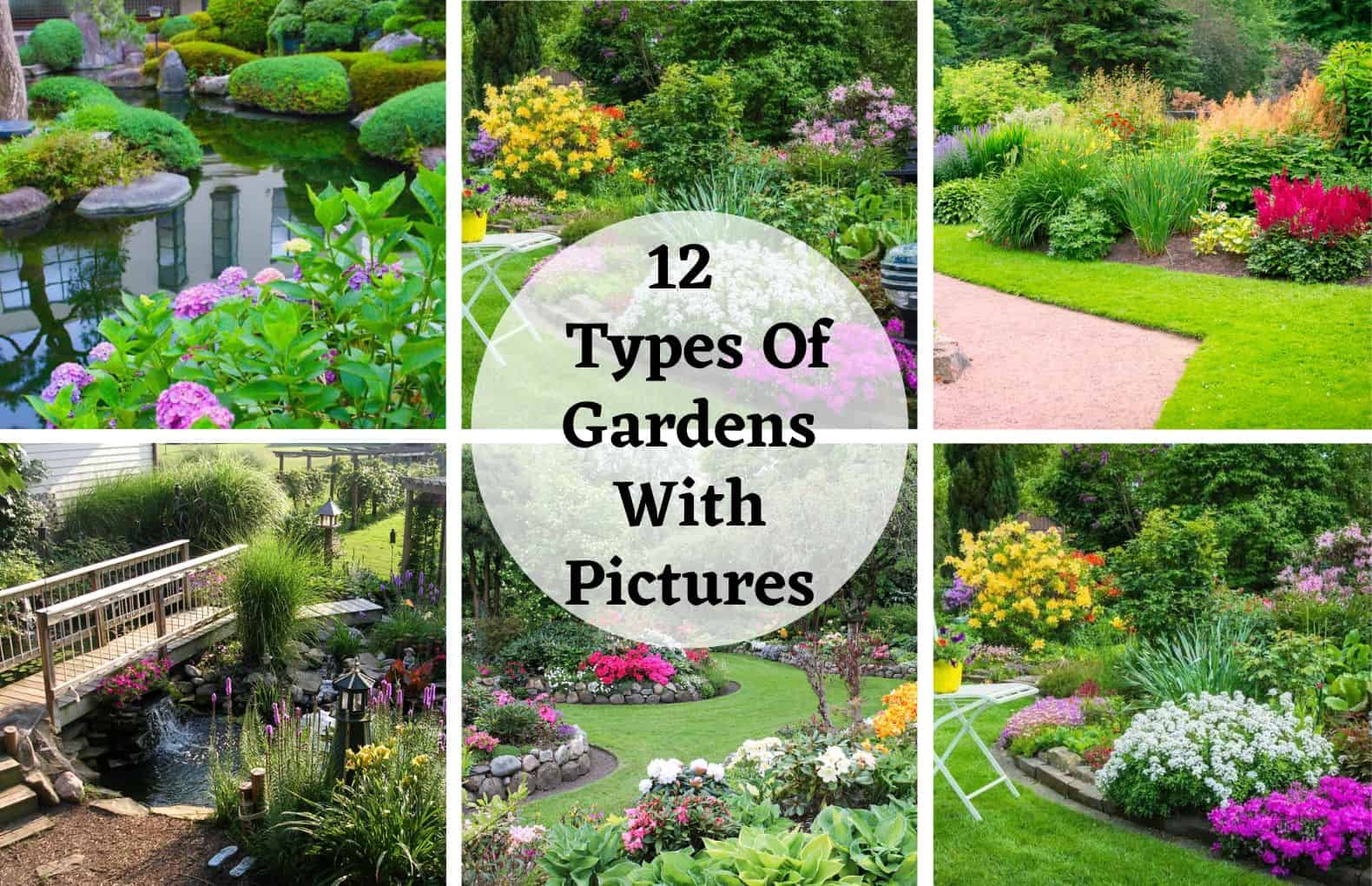
Imagine transforming a patch of earth into a vibrant tapestry of colors and textures. Gardening is more than just a hobby; it's an art form that connects you with nature, providing a sense of accomplishment and tranquility. But what is gardening, really? And what are the different types of gardening that you can explore? Let's dive in and discover the joy of cultivating your own green sanctuary.
Understanding Gardening Basics
At its core, gardening is the practice of growing and cultivating plants for ornamental, culinary, or medicinal purposes. It's a blend of science and creativity, where you get to play the role of both scientist and artist. Whether you're a seasoned green thumb or a novice just starting out, understanding the basics of gardening is essential. This includes knowing about soil types, plant care, and garden design.
The Art of Garden Design
Garden design is like painting a masterpiece on a canvas of soil. It involves planning the layout, choosing the right plants, and creating a harmonious balance between different elements. Think of it as setting the stage for your plants to thrive. From selecting the perfect location to deciding on the style—whether it's a formal English garden or a wild, naturalistic landscape—garden design sets the foundation for your outdoor gardening journey.
Exploring Different Types of Gardening
Gardening is a diverse world with numerous garden types to explore. Each type offers unique challenges and rewards, allowing you to tailor your gardening experience to your interests and lifestyle. Let's explore some of the most popular types of gardening.
Vegetable Gardening
Vegetable gardening is like growing your own supermarket in your backyard. It's a rewarding way to ensure fresh, organic produce right at your fingertips. Whether you're growing tomatoes, lettuce, or carrots, vegetable gardening requires a good understanding of plant care, including watering, fertilizing, and pest control. It's a hands-on experience that connects you with the food you eat.
Flower Gardening
Flower gardening is all about creating a visual feast for the eyes. It's like arranging a bouquet of colors and textures in your outdoor space. From roses to daisies, each flower brings its own charm and personality. Flower gardening involves selecting the right plants for your climate, ensuring proper soil conditions, and providing adequate sunlight. It's a delightful way to add beauty and fragrance to your garden.
Herb Gardening
Herb gardening is a practical and aromatic way to enhance your culinary skills. Imagine having fresh basil, thyme, and rosemary at your disposal whenever you need them. Herb gardening is relatively low-maintenance and can be done in small spaces, making it ideal for urban dwellers. It's a sensory experience that engages your taste buds and your nose.
Container Gardening
Container gardening is perfect for those with limited space or a desire for flexibility. It's like having a portable garden that you can move around as needed. Whether you're growing herbs on your windowsill or flowers on your balcony, container gardening allows you to enjoy the benefits of gardening in a compact form. It's a creative way to bring nature into your living space.
Hydroponic Gardening
Hydroponic gardening is a modern approach that involves growing plants in a nutrient-rich water solution without soil. It's like giving your plants a high-tech spa treatment. Hydroponic gardening is efficient and can produce faster growth rates, making it ideal for urban environments where space is at a premium. It's a cutting-edge method that combines science and technology.
Getting Started with Gardening
So, you're ready to roll up your sleeves and get your hands dirty? Great! But where do you start? The key to successful gardening is planning and preparation. Begin by assessing your space, understanding your climate, and choosing the right plants for your garden. Whether you're into outdoor gardening or prefer the convenience of container gardening, the principles remain the same.
Start small and gradually expand as you gain confidence and experience. Join local gardening communities or online forums to share tips and learn from fellow enthusiasts. Remember, gardening is a journey, not a destination. Embrace the process, learn from your mistakes, and enjoy the rewards of watching your garden grow.
Conclusion
Gardening is a multifaceted activity that offers countless benefits, from improving your mental health to providing fresh, organic produce. Whether you're into vegetable gardening, flower gardening, or any other type, the key is to start with a clear understanding of gardening basics and choose the right garden types that suit your lifestyle. So, what are you waiting for? Grab your gloves, pick up your trowel, and let the gardening adventure begin!
FAQs
1. What are the basic tools needed for gardening?
Essential gardening tools include a trowel, pruners, gloves, a watering can or hose, and a rake. These tools will help you with planting, pruning, watering, and maintaining your garden.
2. How do I choose the right plants for my garden?
Consider your climate, soil type, and the amount of sunlight your garden receives. Research plants that thrive in your specific conditions and choose a mix of annuals and perennials for a vibrant garden.
3. What is the best time to start a garden?
The best time to start a garden depends on your location and the types of plants you want to grow. Generally, spring is an ideal time for most gardens, but you can also start a garden in the fall for cool-season crops.
4. How often should I water my garden?
The frequency of watering depends on the type of plants, soil conditions, and weather. As a general rule, water deeply once or twice a week, ensuring the soil is moist but not waterlogged.
5. What are some common gardening mistakes to avoid?
Common gardening mistakes include overwatering, under-fertilizing, planting in the wrong location, and neglecting pest control. Proper planning and regular maintenance can help you avoid these pitfalls and ensure a thriving garden.
```
Posting Komentar