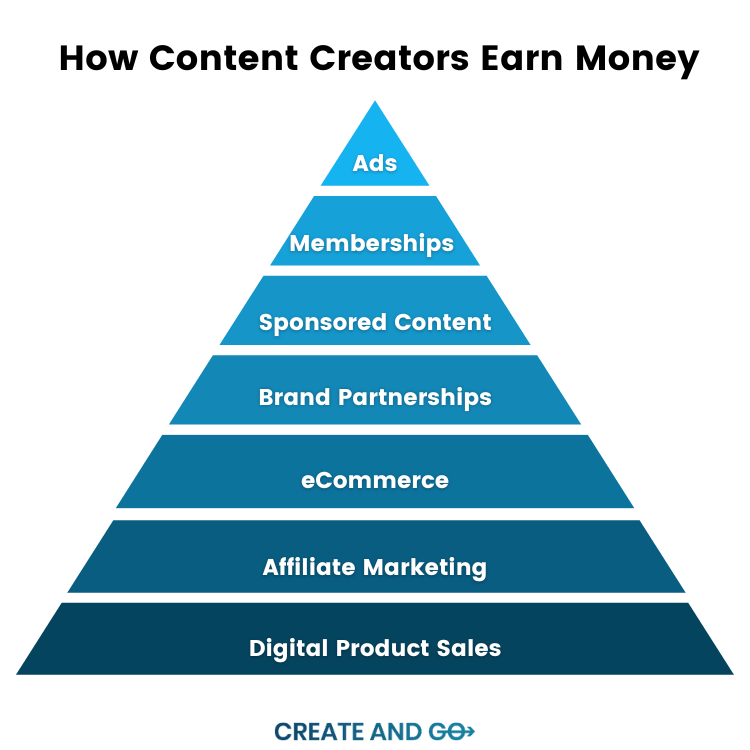
Imagine this: you wake up one morning, check your phone, and see a notification. You’ve just earned money while you were sleeping. Sounds like a dream, right? For content creators, this is often a reality. But why do content creators make money? Let’s dive into the fascinating world of content monetization and explore how creators turn their passions into a lucrative content business.
The Rise of the Content Creator
The digital age has given birth to a new breed of entrepreneurs: content creators. From YouTubers to bloggers, podcasters to influencers, these individuals have found ways to turn their creativity into a sustainable online income. But how do they do it? The answer lies in understanding the various streams of creator revenue and the strategies they employ to monetize their content.
Understanding Content Monetization
Content monetization is the process of turning your content into a source of digital earnings. It’s like having a lemonade stand, but instead of lemons, you’re selling your ideas, skills, and entertainment. There are several ways to achieve this, and the best creators often use a combination of methods to maximize their online income.
The Power of Advertising
One of the most common ways content creators make money is through advertising. Platforms like YouTube, Facebook, and Instagram offer ad revenue sharing programs. When you create engaging content, these platforms place ads on your videos or posts. Every time someone watches or clicks on an ad, you earn a small amount of money. It might seem like pennies at first, but for creators with a large following, these pennies can add up to a significant content business.
For example, a popular YouTuber with a million subscribers might earn thousands of dollars per month just from ad revenue. But it’s not just about the numbers; it’s about the quality of engagement. High engagement rates can lead to higher ad rates, making your content more valuable to advertisers.
Sponsorships and Brand Deals
Another lucrative avenue for content creators is sponsorships and brand deals. As your audience grows, brands start to take notice. They see the potential in reaching your followers and are willing to pay for it. This can take the form of sponsored posts, product placements, or affiliate marketing.
Think of it like being a celebrity endorser, but for the digital age. Brands pay you to promote their products or services to your audience. The key here is authenticity. Your audience trusts you, and brands want to leverage that trust to sell their products. But be careful: promoting products you don’t believe in can backfire and damage your reputation.
Subscription Services and Memberships
Subscription services and memberships are another way content creators make money. Platforms like Patreon, Substack, and OnlyFans allow creators to offer exclusive content to paying subscribers. This can include early access to videos, behind-the-scenes footage, or even personalized interactions.
It’s like having a VIP club where your most dedicated fans get special perks. For creators, this provides a steady stream of creator revenue, independent of ad views or sponsorship deals. It also fosters a deeper connection with your audience, making them feel valued and appreciated.
Selling Products and Services
Many content creators also make money by selling products and services. This can range from merchandise like t-shirts and mugs to digital products like e-books and online courses. Some creators even offer consulting services or coaching programs, sharing their expertise with others.
It’s like turning your content into a physical or digital product. For example, a fitness influencer might sell workout plans or a tech blogger might offer coding tutorials. The possibilities are endless, limited only by your creativity and the needs of your audience.
The Future of Content Monetization
As the digital landscape continues to evolve, so do the opportunities for content monetization. New platforms and technologies are constantly emerging, offering creators innovative ways to earn money. From virtual reality experiences to blockchain-based content, the future is bright for those willing to adapt and innovate.
But remember, success in content monetization isn’t just about the money. It’s about building a community, sharing your passion, and making a genuine impact. The creators who thrive are those who stay true to their values and connect with their audience on a deeper level.
Conclusion
So, why do content creators make money? The answer lies in their ability to turn their passions into a sustainable content business. Through advertising, sponsorships, subscriptions, and product sales, creators can generate a significant online income. But it’s not just about the money; it’s about the community, the impact, and the journey.
If you’re a content creator, I encourage you to explore these monetization strategies and find what works best for you. And if you’re a consumer of content, remember that your support can make a real difference in the lives of your favorite creators. Together, we can continue to fuel the incredible world of digital content.
FAQs
How do content creators make money from YouTube?
Content creators on YouTube primarily make money through the YouTube Partner Program, which allows them to earn ad revenue. Additionally, they can make money through sponsorships, channel memberships, merchandise shelf, and Super Chat & Super Stickers during live streams.
What is the best platform for content monetization?
The best platform for content monetization depends on your content type and audience. YouTube is great for video content, while Instagram and TikTok are ideal for short-form videos and images. For written content, platforms like Medium and Substack offer subscription-based models. Explore different platforms to see which one aligns best with your content and goals.
How can I start monetizing my content?
To start monetizing your content, first, focus on creating high-quality, engaging content that resonates with your audience. Once you have a steady following, explore different monetization strategies like advertising, sponsorships, subscriptions, and product sales. Platforms like Patreon, YouTube, and Instagram offer various tools and programs to help you get started.
What are the benefits of content monetization?
The benefits of content monetization include a steady stream of online income, the ability to turn your passion into a career, and the opportunity to build a community around your content. Additionally, monetization can provide financial stability, allowing you to invest more time and resources into creating even better content.
How do I build a successful content business?
Building a successful content business requires a combination of creativity, strategy, and consistency. Start by identifying your niche and understanding your audience. Create high-quality content that provides value to your followers. Explore different monetization strategies and diversify your income streams. Engage with your audience and build a community around your content. Finally, stay adaptable and open to new opportunities as the digital landscape evolves.
```
Posting Komentar