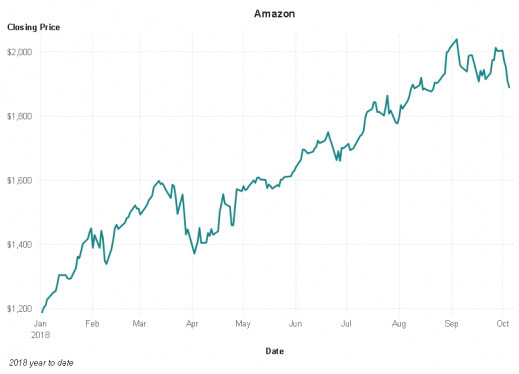
Imagine the stock market as a vast ocean. Just as sailors navigate the unpredictable waves and currents, investors must navigate the ever-changing stock market trends and price movements. The question on every investor's mind is, "When will stock prices rise?" Understanding the factors that influence stock prices and employing effective investment strategies can help you ride the waves of market volatility and achieve your financial goals.
The Art of Financial Forecasting
Financial forecasting is akin to reading the stars for guidance. It involves analyzing historical data, current economic indicators, and future projections to predict stock prices. While no method is foolproof, combining quantitative analysis with qualitative insights can provide a clearer picture.
Economic Indicators: The North Star of Investing
Economic indicators are the compass that guides investors through the tumultuous seas of the stock market. Key indicators include:
- GDP Growth: A rising GDP often signals a healthy economy, which can boost stock prices.
- Inflation Rates: High inflation can erode purchasing power, affecting price movements.
- Unemployment Rates: Lower unemployment typically indicates a robust economy, which can drive stock prices higher.
- Interest Rates: Changes in interest rates by central banks can influence borrowing costs and stock prices.
By keeping an eye on these indicators, you can better anticipate stock market trends and make informed decisions.
Company Performance: The Engine of Stock Prices
Just as a car's engine drives its performance, a company's financial health drives its stock prices. Key metrics to consider include:
- Earnings Per Share (EPS): Higher EPS often translates to higher stock prices.
- Revenue Growth: Consistent revenue growth can signal a healthy business model, boosting stock prices.
- Debt Levels: High debt can be a red flag, affecting price movements negatively.
- Dividend Yield: Companies that pay consistent dividends can attract long-term investors, stabilizing stock prices.
Regularly reviewing a company's financial statements can provide valuable insights into its future prospects and potential impact on stock prices.
Investment Strategies: Your Map to Success
Navigating the stock market requires a well-thought-out investment strategy. Whether you're a seasoned investor or just starting out, having a plan can help you stay on course during times of market volatility.
Diversification: Don't Put All Your Eggs in One Basket
Diversification is like spreading your bets across multiple horses in a race. By investing in a variety of sectors and asset classes, you can reduce the risk of significant losses if one investment underperforms. This strategy can help smooth out price movements and protect your portfolio during market downturns.
Value Investing: Finding the Hidden Gems
Value investing is like hunting for hidden treasures. It involves identifying undervalued stocks that have the potential for significant growth. By focusing on fundamentals and long-term prospects, value investors can capitalize on stock market trends and achieve substantial returns.
Growth Investing: Riding the Wave of Innovation
Growth investing is like surfing the cutting edge of technology and innovation. It involves investing in companies with high growth potential, even if their current valuations are high. This strategy can be risky, but it can also yield impressive returns if the companies live up to their potential.
The Role of Market Volatility
Market volatility is the stormy weather that can make or break an investor's journey. While it can be unsettling, understanding and managing volatility is crucial for long-term success. Volatility can create opportunities for savvy investors to buy low and sell high, capitalizing on price movements.
Staying Calm in the Storm
During periods of high market volatility, it's essential to stay calm and stick to your investment strategy. Panic selling can lead to significant losses, while a disciplined approach can help you weather the storm and emerge stronger.
Using Volatility to Your Advantage
Volatility can be your friend if you know how to use it. By identifying overreacted price movements, you can buy undervalued stocks and sell overvalued ones, turning volatility into profit.
Conclusion
Navigating the stock market is a journey filled with ups and downs, much like sailing the open sea. By understanding the factors that influence stock prices, employing effective investment strategies, and managing market volatility, you can increase your chances of success. Remember, the key to successful investing is patience, discipline, and a willingness to learn and adapt. So, are you ready to set sail on your investment journey?
FAQs
1. What are the best indicators to watch for predicting stock price movements?
The best indicators to watch include GDP growth, inflation rates, unemployment rates, and interest rates. These economic indicators provide a comprehensive view of the economic landscape and can help you anticipate stock market trends.
2. How can I protect my portfolio during times of high market volatility?
Diversification is key to protecting your portfolio during times of high market volatility. By spreading your investments across various sectors and asset classes, you can reduce the risk of significant losses. Additionally, staying calm and sticking to your investment strategy can help you weather the storm.
3. What is the difference between value investing and growth investing?
Value investing focuses on identifying undervalued stocks with long-term growth potential, while growth investing involves investing in companies with high growth potential, even if their current valuations are high. Both strategies have their risks and rewards, and the choice depends on your investment goals and risk tolerance.
4. How important is financial forecasting in investing?
Financial forecasting is crucial in investing as it helps you anticipate stock prices and make informed decisions. By analyzing historical data, current economic indicators, and future projections, you can gain a clearer picture of the market and adjust your investment strategies accordingly.
5. What role does company performance play in stock price movements?
Company performance is a significant factor in stock price movements. Key metrics to consider include earnings per share, revenue growth, debt levels, and dividend yield. Regularly reviewing a company's financial statements can provide valuable insights into its future prospects and potential impact on stock prices.
```
Posting Komentar