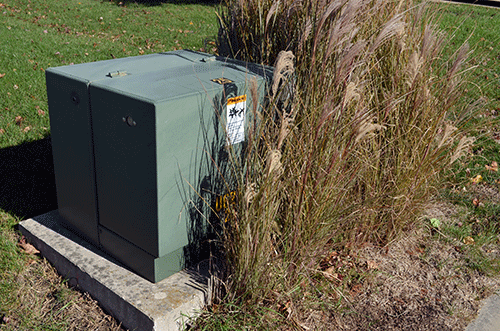
Imagine this: you've just moved into your dream home, complete with a spacious backyard. You envision lush gardens, vibrant flowers, and perhaps a cozy patio where you can unwind after a long day. But wait—what's that humming sound? Oh, right, the pad-mounted transformer sitting just a few feet away. Suddenly, your gardening dreams seem a bit more complicated. Can you still create that beautiful garden you've always wanted? The answer is yes, but with some careful planning and a focus on gardening safety.
Understanding Pad Mounted Transformers
Pad-mounted transformers are essential for delivering electricity to your home. They are typically found in residential areas, often tucked away in a corner of your yard. These transformers convert high-voltage electricity from power lines to the lower voltage needed for your home. While they are crucial for your electrical needs, they also present some outdoor hazards that you need to be aware of.
What Are the Risks?
Transformers generate heat and emit electromagnetic fields, which can be harmful if not managed properly. Additionally, the high-voltage components inside can pose a significant risk if tampered with. So, how do you balance the need for a beautiful garden with the necessity of electrical safety?
Gardening Safety Around Transformers
First things first: safety is paramount. Before you start digging or planting, you need to understand the potential risks and how to mitigate them. Here are some key points to consider:
Keep a Safe Distance
One of the most important aspects of transformer landscaping is maintaining a safe distance. The general rule of thumb is to keep at least 10 feet away from the transformer. This distance helps ensure that you are not exposed to harmful electromagnetic fields or the risk of accidental contact with high-voltage components.
Avoid Deep Planting
Planting deep-rooted trees or shrubs near the transformer can be problematic. Roots can damage the transformer's foundation or even interfere with its electrical components. Stick to shallow-rooted plants and flowers that won't pose a risk to the transformer's integrity.
Use Non-Conductive Materials
When designing your garden, opt for non-conductive materials like wood, plastic, or composite for paths, fences, and other structures. These materials are safer around electrical equipment and reduce the risk of accidental shocks.
Designing Your Garden
Now that you understand the safety considerations, let's dive into garden design. Creating a beautiful and safe garden around a pad-mounted transformer is entirely possible with a bit of creativity and planning.
Choose the Right Plants
Select plants that are low-maintenance and shallow-rooted. Flowers like marigolds, petunias, and pansies are great choices. For shrubs, consider dwarf varieties that won't grow too tall or wide. Remember, the goal is to create a visually appealing garden without compromising safety.
Create Zones
Divide your garden into zones. One zone can be dedicated to your transformer, with a small, well-maintained area around it. This zone can include low-growing plants and decorative stones. The rest of your garden can be designed as you wish, with paths and seating areas that keep a safe distance from the transformer.
Use Decorative Elements
Incorporate decorative elements like statues, birdbaths, and garden ornaments to add visual interest. These elements can help distract from the presence of the transformer and make your garden more inviting. Just ensure that any electrical components in these decorations are safely installed and maintained.
Maintaining Your Garden
Maintaining your garden is just as important as designing it. Regular upkeep ensures that your garden remains safe and beautiful. Here are some tips for maintaining your garden around a pad-mounted transformer:
Regular Inspections
Inspect your garden regularly for any signs of damage or wear. Check for roots that may be encroaching on the transformer area and remove them promptly. Ensure that all plants are healthy and not showing signs of stress from being too close to the transformer.
Keep It Tidy
A tidy garden is a safe garden. Remove any debris, fallen leaves, or dead plants that could pose a fire risk. Keep paths clear and well-maintained to prevent trips and falls.
Stay Informed
Stay informed about any updates or changes from your utility company regarding the transformer. They may provide guidelines or recommendations for maintaining safety around the equipment. Always follow their advice to ensure the best possible safety measures.
Conclusion
Gardening around pad-mounted transformers doesn't have to be a daunting task. With a focus on gardening safety and a bit of creativity, you can create a beautiful and safe outdoor space. Remember to keep a safe distance, choose the right plants, and maintain your garden regularly. By following these guidelines, you can enjoy a lush, vibrant garden while ensuring the safety of your home and family.
So, go ahead—dream big and garden boldly. Your backyard oasis is within reach, even with that humming transformer in the corner. Happy gardening!
FAQs
1. Can I plant trees near a pad-mounted transformer?
It's best to avoid planting trees near a pad-mounted transformer due to the risk of roots damaging the equipment. Stick to shallow-rooted plants and shrubs for a safer garden.
2. How close can I plant flowers to the transformer?
Aim to keep at least 10 feet away from the transformer when planting flowers. This distance helps ensure safety and reduces the risk of accidental contact with high-voltage components.
3. What materials should I use for garden paths near the transformer?
Opt for non-conductive materials like wood, plastic, or composite for garden paths near the transformer. These materials are safer around electrical equipment and reduce the risk of accidental shocks.
4. Can I install outdoor lighting near the transformer?
Yes, but ensure that any electrical components are safely installed and maintained. Keep lighting fixtures at a safe distance from the transformer and follow all electrical safety guidelines.
5. How often should I inspect my garden for safety?
Regular inspections are key to maintaining a safe garden. Aim to inspect your garden at least once a month, checking for any signs of damage or wear, and removing debris or dead plants that could pose a risk.
```
Posting Komentar