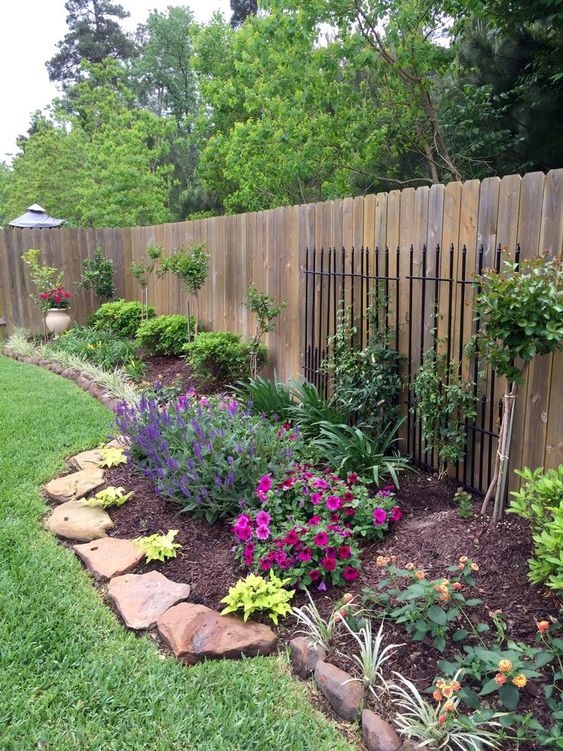
Imagine transforming that dull, bare fence into a lush, vibrant oasis. Gardening along a fence can turn an ordinary boundary into a stunning feature that adds beauty and privacy to your outdoor space. Whether you're looking to create a cozy retreat or a show-stopping garden design, this guide will walk you through the steps to achieve the perfect fence landscaping.
Why Garden Along a Fence?
Gardening along a fence offers numerous benefits. It's an excellent way to maximize your garden space, especially if you have a small yard. Plus, it provides a natural screen for privacy, blocking out nosy neighbors or unsightly views. But perhaps the most rewarding aspect is the sheer beauty it adds to your outdoor gardening efforts. Think of it as painting a masterpiece on a blank canvas—your fence becomes the backdrop for a living, breathing work of art.
Choosing the Right Fence Plants
Selecting the right plants is crucial for a successful fence garden. You'll want a mix of plants that provide height, texture, and color. Consider evergreens for year-round privacy and flowering plants for seasonal interest. Climbing plants like ivy or roses can add a romantic touch, while shrubs like hydrangeas or azaleas offer lush foliage and vibrant blooms.
Evergreens for Year-Round Privacy
Evergreens are the backbone of any fence garden. They provide consistent greenery throughout the year, ensuring your garden privacy is maintained no matter the season. Some popular choices include:
- Arborvitae: A tall, dense evergreen that grows quickly and provides excellent screening.
- Boxwood: A compact, slow-growing shrub perfect for creating neat, tidy hedges.
- Holly: Known for its glossy leaves and bright red berries, holly adds a touch of holiday cheer.
Flowering Plants for Seasonal Interest
Flowering plants bring color and life to your fence garden. They can be annuals or perennials, depending on your preference and climate. Some beautiful options include:
- Roses: Climbing roses can cover a fence with lush, fragrant blooms.
- Hydrangeas: These shrubs produce large, showy flowers in a variety of colors.
- Azaleas: Known for their vibrant, trumpet-shaped flowers, azaleas add a splash of color in the spring.
Climbing Plants for a Romantic Touch
Climbing plants can transform a plain fence into a romantic arbor. They twine and climb, creating a living tapestry of greenery and flowers. Some popular choices include:
- Ivy: A classic choice for covering fences, ivy is hardy and easy to grow.
- Clematis: This vine produces beautiful, star-shaped flowers in a variety of colors.
- Wisteria: Known for its cascading clusters of purple flowers, wisteria adds a dramatic touch.
Designing Your Fence Garden
When it comes to garden design ideas, the sky's the limit. But a few key principles can help you create a cohesive and beautiful fence garden. Think about the height and width of your plants, and how they will interact with each other. Layering plants from tall to short can create depth and interest. And don't forget to consider the colors and textures of your plants—they should complement each other and your fence.
Layering Plants for Depth and Interest
Layering plants is like building a sandwich—each layer adds something unique to the overall flavor. Start with tall plants at the back, followed by medium-height plants in the middle, and short plants at the front. This creates a sense of depth and makes your fence garden more visually appealing.
Considering Colors and Textures
Colors and textures play a significant role in garden design. They can create harmony or contrast, depending on your preference. For a cohesive look, choose plants with similar color palettes and textures. For a more dramatic effect, mix and match different colors and textures to create visual interest.
Maintaining Your Fence Garden
Maintaining your fence garden is essential for keeping it looking its best. Regular watering, pruning, and fertilizing will ensure your plants thrive. But don't forget about your fence itself—regular inspections and repairs will keep it in good condition and prevent any structural issues.
Watering and Fertilizing
Watering and fertilizing are crucial for the health of your plants. Most plants need about an inch of water per week, either from rainfall or manual watering. Fertilizing can help your plants grow stronger and produce more flowers. Choose a balanced fertilizer and follow the instructions on the package for best results.
Pruning and Shaping
Pruning and shaping your plants will keep them looking neat and tidy. It also encourages new growth and more flowers. Use sharp, clean pruners to make clean cuts, and always prune at the right time of year for your specific plants.
Inspecting and Repairing Your Fence
Your fence is the foundation of your garden, so it's important to keep it in good condition. Regular inspections can help you catch any issues early, such as rot, rust, or loose boards. Make repairs as needed to keep your fence strong and stable.
Conclusion
Gardening along a fence is a fantastic way to add beauty and privacy to your outdoor space. By choosing the right plants, designing thoughtfully, and maintaining your garden, you can create a stunning oasis that you'll love spending time in. So, what are you waiting for? Grab your gardening gloves and get started on your fence landscaping adventure today!
FAQs
What are the best plants for a fence garden?
The best plants for a fence garden depend on your climate and personal preferences. Evergreens like arborvitae and boxwood provide year-round privacy, while flowering plants like roses and hydrangeas add seasonal interest. Climbing plants like ivy and clematis can create a romantic, living tapestry.
How do I maintain my fence garden?
Maintaining your fence garden involves regular watering, fertilizing, pruning, and shaping. Inspect your fence regularly for any issues and make repairs as needed. This will keep your garden looking its best and ensure your fence remains strong and stable.
Can I garden along any type of fence?
Yes, you can garden along most types of fences, including wood, vinyl, and metal. However, some plants may be better suited to certain types of fences. For example, climbing plants like ivy and roses work well with wooden fences, while metal fences can support heavier climbers like wisteria.
How do I choose the right plants for my fence garden?
When choosing plants for your fence garden, consider the height, width, color, and texture of each plant. Think about how they will interact with each other and your fence. Layering plants from tall to short can create depth and interest, while choosing plants with complementary colors and textures can create harmony or contrast.
What are some garden design ideas for a fence garden?
Garden design ideas for a fence garden are endless. You can create a romantic arbor with climbing plants, a lush hedge with evergreens, or a vibrant display with flowering plants. Layering plants, considering colors and textures, and maintaining your garden are key principles to keep in mind.
```
Posting Komentar