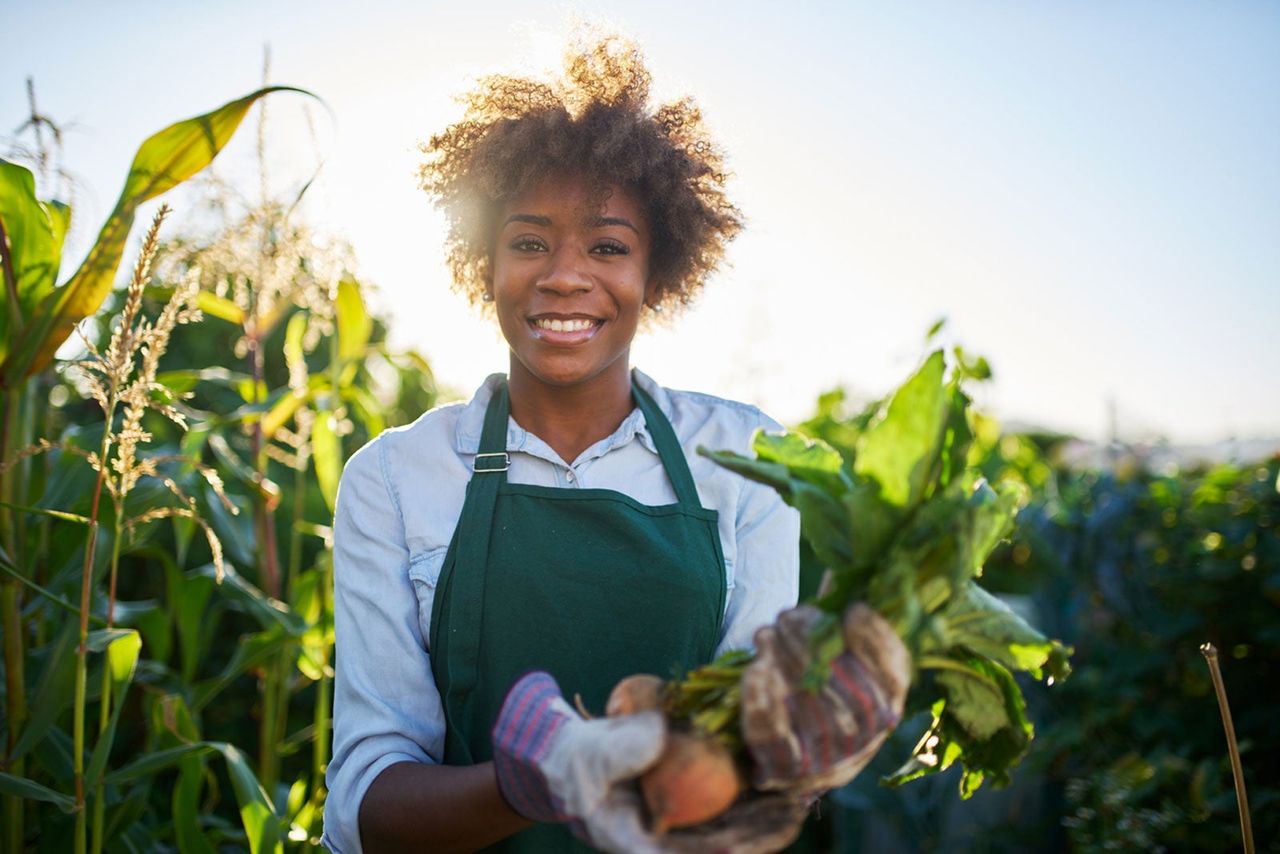
Imagine waking up every morning to the scent of blooming flowers and the rustle of leaves. Picture yourself shaping nature with your hands, creating beauty and tranquility. Gardening as a career is not just a dream; it's a thriving reality for many. Whether you're passionate about plant science, landscape gardening, or the broader green industry jobs, there's a place for you in the world of horticulture careers. So, can you make a career in gardening? Let's dive in and explore the possibilities.
The Allure of a Horticulture Career
Gardening is more than just a hobby; it's a way of life. For those who find solace and joy in nurturing plants, a horticulture career can be incredibly fulfilling. The green industry jobs are diverse, ranging from botanical careers to landscape design. But what makes gardening as a career so appealing?
Firstly, it's a career that allows you to work outdoors, connecting with nature on a daily basis. If you love the idea of spending your days in the fresh air, surrounded by greenery, then gardening might be the perfect fit for you. Secondly, it's a field that offers a sense of accomplishment. Watching a seed grow into a beautiful plant or transforming a barren plot into a lush garden is incredibly rewarding.
Moreover, gardening as a career is not just about aesthetics. It's about sustainability, environmental conservation, and even food security. As the world becomes more aware of the importance of green spaces and sustainable practices, the demand for skilled gardeners and horticulturists is on the rise.
Exploring Green Industry Jobs
The green industry is vast and encompasses a wide range of roles. Let's take a closer look at some of the exciting opportunities available in gardening as a career.
Landscape Gardening
Landscape gardening is one of the most popular and visible aspects of horticulture careers. Landscape gardeners design and maintain outdoor spaces, creating beautiful and functional environments. This can include residential gardens, public parks, and commercial landscapes. If you have an eye for design and a love for plants, landscape gardening could be your calling.
Landscape gardeners often work on large-scale projects, collaborating with architects and urban planners to create sustainable and aesthetically pleasing spaces. The work can be physically demanding, but the satisfaction of seeing your designs come to life is unparalleled.
Plant Science and Botanical Careers
For those with a scientific bent, plant science and botanical careers offer a wealth of opportunities. Plant scientists study the growth, development, and reproduction of plants. They work in laboratories, greenhouses, and field settings, conducting research and developing new plant varieties.
Botanical careers can also involve conservation efforts, where you work to protect endangered plant species and their habitats. This is a crucial role in today's world, where biodiversity is under threat. If you're passionate about plant conservation and sustainability, a career in plant science could be your path to making a real difference.
Green Industry Jobs: Beyond the Basics
The green industry is not just about gardening and plant science. It encompasses a wide range of roles, from horticultural therapy to urban forestry. Horticultural therapists use plants and gardening activities to improve the physical and mental health of their clients. This is a growing field, as more people recognize the therapeutic benefits of gardening.
Urban forestry, on the other hand, focuses on the management and conservation of trees in urban environments. Urban foresters work to ensure that cities have enough green spaces, which is crucial for air quality, temperature regulation, and overall well-being. If you're interested in the intersection of urban planning and environmental conservation, urban forestry could be the perfect fit.
Getting Started in Gardening as a Career
So, you're convinced that gardening as a career is for you. But how do you get started? The first step is education. Many horticulture careers require a degree in horticulture, plant science, or a related field. There are numerous universities and colleges offering programs in these areas, so you can choose one that aligns with your interests and goals.
In addition to formal education, gaining practical experience is crucial. Internships, apprenticeships, and volunteer work can provide valuable hands-on experience and help you build a network in the industry. Many gardeners start with small projects, such as maintaining a community garden or working in a nursery, and gradually take on larger and more complex roles.
Networking is also essential in the green industry. Joining professional organizations, attending conferences, and participating in workshops can help you stay updated on the latest trends and technologies in gardening. It can also open up opportunities for collaboration and career advancement.
The Future of Gardening as a Career
The future of gardening as a career is bright. As the world becomes more urbanized, the demand for green spaces and sustainable practices is increasing. This creates numerous opportunities for gardeners and horticulturists to make a meaningful impact.
Technology is also playing a significant role in shaping the future of gardening. From drones that monitor crop health to apps that help gardeners design their landscapes, technology is making gardening more efficient and accessible. As a gardener, staying updated on these technological advancements can give you a competitive edge in the industry.
Moreover, the focus on sustainability and environmental conservation is driving innovation in the green industry. Gardeners are increasingly adopting eco-friendly practices, such as using native plants, conserving water, and promoting biodiversity. This not only benefits the environment but also creates new opportunities for gardeners to specialize in sustainable gardening practices.
Conclusion
Gardening as a career is not just a dream; it's a reality that offers a wealth of opportunities. Whether you're passionate about landscape gardening, plant science, or the broader green industry jobs, there's a place for you in the world of horticulture careers. The key is to pursue your passion, gain the necessary education and experience, and stay updated on the latest trends and technologies.
So, if you've ever wondered, "Can you make a career in gardening?", the answer is a resounding yes. Embrace the beauty and tranquility of gardening, and turn your passion into a fulfilling and rewarding career. The world needs more gardeners, and you could be the next one to make a difference.
FAQs
1. What qualifications do I need for a career in gardening?
A degree in horticulture, plant science, or a related field is often required for many horticulture careers. However, practical experience through internships, apprenticeships, and volunteer work can also be valuable. Networking and staying updated on industry trends are also important.
2. What are some of the most in-demand green industry jobs?
Some of the most in-demand green industry jobs include landscape gardeners, plant scientists, horticultural therapists, and urban foresters. The demand for these roles is driven by the increasing focus on sustainability and environmental conservation.
3. How can I gain practical experience in gardening?
You can gain practical experience in gardening through internships, apprenticeships, and volunteer work. Starting with small projects, such as maintaining a community garden or working in a nursery, can provide valuable hands-on experience and help you build a network in the industry.
4. What role does technology play in modern gardening?
Technology plays a significant role in modern gardening, from drones that monitor crop health to apps that help gardeners design their landscapes. Staying updated on these technological advancements can give you a competitive edge in the industry.
5. How can I specialize in sustainable gardening practices?
Specializing in sustainable gardening practices involves adopting eco-friendly practices, such as using native plants, conserving water, and promoting biodiversity. Staying updated on the latest trends and technologies in sustainable gardening can help you specialize in this area and make a meaningful impact.
```
Posting Komentar