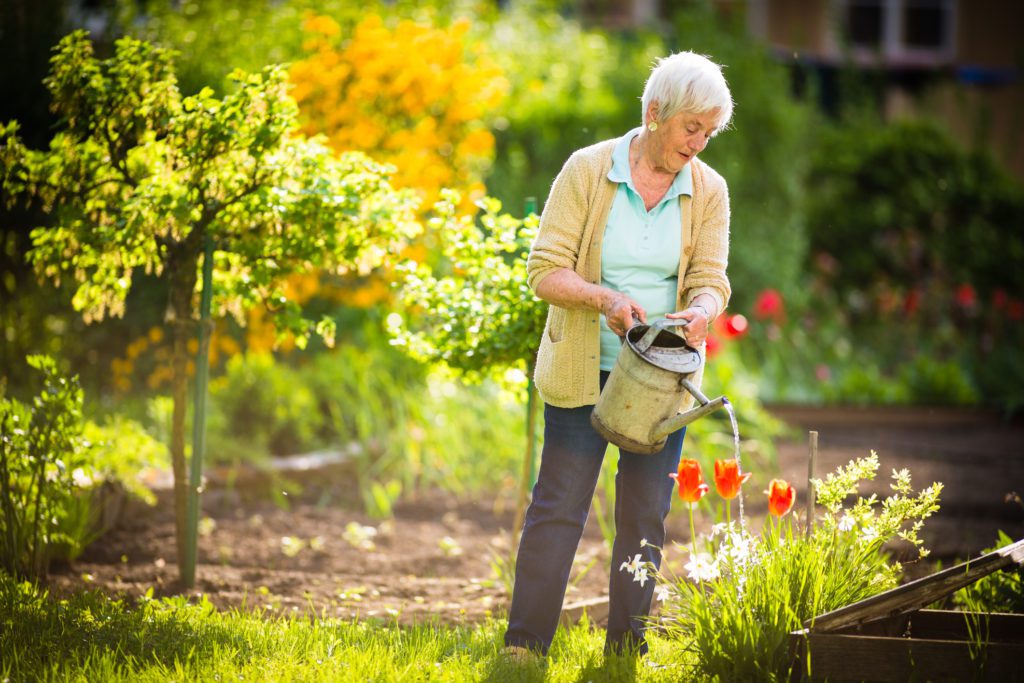
Imagine transforming your backyard into a serene oasis, a place where you can unwind, reconnect with nature, and even grow your own fresh produce. For seniors, gardening is more than just a hobby; it's a therapeutic activity that can enhance both physical and mental well-being. But how can you make gardening accessible and enjoyable for seniors? Let's dive into the world of senior-friendly gardening and discover how you can turn your green thumb into a source of joy and relaxation.
Why Gardening for Seniors?
Gardening is one of the best senior activities you can engage in. It offers a multitude of benefits, from improving mobility and strength to reducing stress and anxiety. The rhythmic nature of gardening tasks, such as planting, weeding, and watering, can be incredibly soothing. Plus, the sense of accomplishment that comes from watching your plants grow and thrive is unparalleled. But how do you make gardening accessible for seniors with varying levels of mobility and energy?
Creating an Accessible Gardening Space
Accessible gardening is all about designing a space that caters to your needs. Start by choosing a location that is easy to access and close to your home. Raised garden beds are a great option for seniors, as they reduce the need to bend down and make it easier to tend to your plants. Consider installing a bench or chair nearby so you can take breaks when needed. Additionally, using lightweight tools and ergonomic designs can make gardening tasks less strenuous.
Another tip is to create a vertical garden. This involves growing plants on a trellis or wall, which not only saves space but also makes it easier to reach your plants. You can grow a variety of vegetables, herbs, and flowers this way, adding a touch of greenery to your home while keeping it within arm's reach.
Choosing Low-Maintenance Plants
When it comes to senior-friendly gardening, selecting the right plants is crucial. Opt for low-maintenance plants that require minimal watering and care. Succulents, for example, are drought-resistant and come in a variety of shapes and colors. Herbs like rosemary and thyme are also great choices, as they are hardy and can be used in your cooking. For a splash of color, consider planting marigolds or petunias, which are easy to grow and add a vibrant touch to your garden.
If you're interested in growing your own vegetables, try easy-to-grow options like lettuce, radishes, and green beans. These plants require minimal effort and can be harvested quickly, providing a sense of accomplishment and fresh produce for your meals.
The Therapeutic Benefits of Gardening
Therapeutic gardening is a powerful tool for improving mental health. The act of nurturing plants can be incredibly rewarding and can help reduce feelings of loneliness and depression. Gardening also encourages mindfulness, as it requires you to focus on the present moment and engage your senses. The scent of flowers, the texture of soil, and the sound of rustling leaves can all contribute to a sense of calm and tranquility.
Moreover, gardening can be a social activity. Invite friends or family members to join you in your gardening endeavors. Sharing the experience can strengthen bonds and create lasting memories. You can also join local gardening clubs or attend workshops to learn new techniques and meet like-minded individuals.
Tips for Successful Senior-Friendly Gardening
To make the most of your gardening experience, here are some tips to keep in mind:
Start Small
Don't overwhelm yourself by trying to create a massive garden all at once. Start with a small plot or a few pots and gradually expand as you gain confidence and energy. This approach allows you to enjoy the process without feeling overwhelmed.
Use Containers
Container gardening is an excellent option for seniors. It allows you to grow plants in small spaces and makes it easier to move them around as needed. Plus, you can choose containers that match your decor and add a touch of style to your home.
Stay Hydrated and Protected
Gardening can be physically demanding, so it's important to stay hydrated and protected from the sun. Wear a hat, sunscreen, and lightweight clothing to shield yourself from harmful UV rays. Take frequent breaks and drink plenty of water to stay energized and avoid dehydration.
Seek Professional Advice
If you're new to gardening or have specific health concerns, consider consulting with a professional. A gardening expert can provide personalized advice and help you create a garden that meets your needs and abilities. Additionally, they can recommend plants that are suitable for your climate and soil conditions.
Conclusion
Gardening for seniors is a rewarding and therapeutic activity that offers numerous benefits for both physical and mental health. By creating an accessible gardening space, choosing low-maintenance plants, and embracing the therapeutic aspects of gardening, you can turn your backyard into a serene oasis. So, why wait? Grab your gardening gloves and start digging into the world of senior-friendly gardening today!
FAQs
What are the best low-maintenance plants for seniors?
The best low-maintenance plants for seniors include succulents, herbs like rosemary and thyme, and flowers like marigolds and petunias. These plants require minimal watering and care, making them ideal for seniors who want to enjoy gardening without the hassle.
How can I make my garden more accessible?
To make your garden more accessible, consider installing raised garden beds, using lightweight tools, and creating a vertical garden. Additionally, place a bench or chair nearby so you can take breaks when needed. These modifications can make gardening tasks less strenuous and more enjoyable.
What are the benefits of therapeutic gardening?
Therapeutic gardening offers numerous benefits, including improved mental health, reduced stress and anxiety, and a sense of accomplishment. It encourages mindfulness and engages your senses, providing a calming and rewarding experience.
Can I grow vegetables in a small space?
Yes, you can grow vegetables in a small space by using containers or creating a vertical garden. Opt for easy-to-grow vegetables like lettuce, radishes, and green beans, which require minimal effort and can be harvested quickly.
How can I stay safe while gardening?
To stay safe while gardening, wear a hat, sunscreen, and lightweight clothing to protect yourself from the sun. Take frequent breaks and drink plenty of water to stay hydrated. Additionally, use ergonomic tools and avoid heavy lifting to prevent strain and injury.
```
Posting Komentar