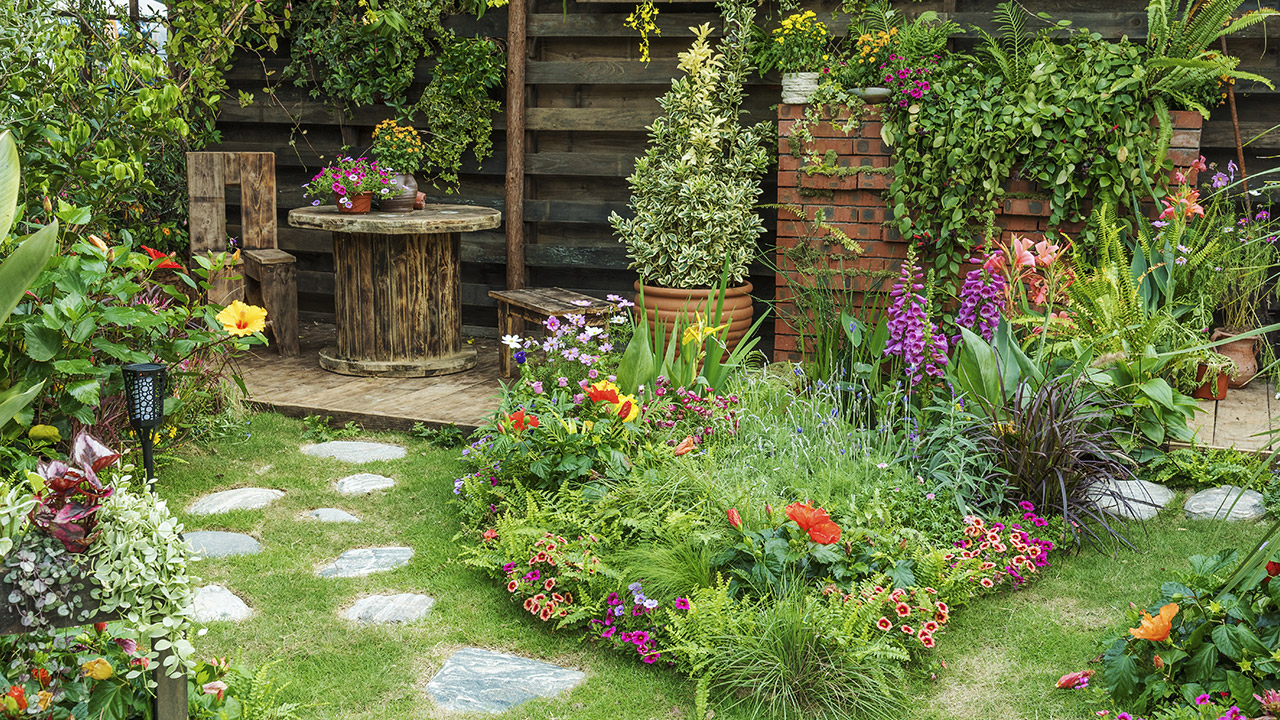
Imagine stepping into your backyard and being greeted by the gentle hum of bees, the vibrant flash of butterflies, and the melodious songs of birds. This isn't a distant dream but a reality you can create with a little effort and the right knowledge. Welcome to the world of gardening for wildlife, where every plant and feature serves a purpose in creating a thriving wildlife habitat. Let's dive into the art of sustainable gardening and discover how to transform your garden into a bustling ecosystem teeming with life.
Understanding the Basics of Wildlife-Friendly Gardening
Gardening for wildlife is more than just planting a few flowers. It's about creating a harmonious garden ecosystem that supports a diverse range of species. Think of your garden as a miniature wildlife reserve, where every element plays a crucial role in maintaining biodiversity in gardens. From providing food and shelter to creating breeding grounds, your garden can become a sanctuary for local wildlife.
Choosing the Right Plants
When it comes to gardening for wildlife, not all plants are created equal. To attract a variety of pollinators, opt for native plants that are well-adapted to your local climate. These plants not only require less maintenance but also provide the necessary nectar and pollen for bees, butterflies, and other pollinators. Consider creating a pollinator garden with a mix of flowers that bloom at different times of the year to ensure a steady supply of food.
Remember, a wildlife-friendly garden is a year-round affair. Include plants that offer berries and seeds in the fall and winter to support birds and small mammals. Evergreens provide essential cover during the colder months, making them a valuable addition to your garden ecosystem.
Creating Shelter and Nesting Sites
Wildlife needs more than just food; they also require safe havens to nest and hide. Incorporate features like birdhouses, bat boxes, and insect hotels to provide shelter for a variety of species. These structures not only add visual interest to your garden but also play a vital role in supporting local wildlife populations.
Don't forget about the ground-dwelling creatures. Leave some areas of your garden undisturbed to allow for natural decomposition and habitat creation. Piles of leaves, logs, and stones can become homes for insects, amphibians, and reptiles, contributing to the overall biodiversity in gardens.
Water Sources
Water is the lifeblood of any garden ecosystem. Adding a water feature, such as a birdbath or a small pond, can attract a wide range of wildlife. Birds, butterflies, and even small mammals will flock to these water sources for drinking and bathing. Ensure the water is clean and refreshed regularly to prevent the spread of diseases.
If space is limited, consider a simple water dish or a drip tray from a potted plant. Even a small amount of water can make a big difference in supporting local wildlife.
Maintaining a Sustainable Garden
Sustainable gardening is about working with nature, not against it. Avoid using chemical pesticides and fertilizers, which can harm beneficial insects and pollute the environment. Instead, opt for organic and natural alternatives that support a healthy garden ecosystem.
Composting is another excellent way to promote sustainability. By recycling organic waste, you create nutrient-rich soil that benefits your plants and reduces the need for synthetic fertilizers. Plus, compost piles can become mini habitats for worms and other decomposers, further enhancing biodiversity in gardens.
Encouraging Natural Predators
One of the best ways to control pests naturally is by encouraging the presence of natural predators. Birds, bats, and beneficial insects like ladybugs and lacewings can help keep pest populations in check. By providing habitat and food sources for these predators, you create a balanced garden ecosystem that thrives without the need for harmful chemicals.
Remember, a healthy garden is a dynamic one. Embrace the natural cycles of growth and decay, and watch as your garden evolves into a vibrant wildlife habitat.
Engaging with Your Garden Ecosystem
Gardening for wildlife is a journey of discovery. Take the time to observe the creatures that visit your garden and learn about their habits and needs. Keep a garden journal to track the changes and developments in your garden ecosystem. You might be surprised by the diversity of life that thrives in your backyard.
Engage with local gardening communities and wildlife organizations. Share your experiences and learn from others who are passionate about sustainable gardening. Together, you can create a network of wildlife-friendly gardens that support local biodiversity.
Conclusion
Creating a wildlife-friendly garden is a rewarding experience that benefits both you and the environment. By choosing the right plants, providing shelter and water, and maintaining a sustainable garden, you can transform your outdoor space into a thriving wildlife habitat. Embrace the beauty of nature and watch as your garden becomes a sanctuary for local wildlife. So, are you ready to roll up your sleeves and get started on your gardening for wildlife journey?
FAQs
1. What are the benefits of gardening for wildlife?
Gardening for wildlife offers numerous benefits, including increased biodiversity, improved pollination for your plants, and a more resilient garden ecosystem. Additionally, it provides a habitat for local wildlife, contributing to the overall health of the environment.
2. How can I attract more pollinators to my garden?
To attract more pollinators, plant a variety of native flowers that bloom at different times of the year. Provide water sources and avoid using chemical pesticides that can harm beneficial insects. Creating a pollinator garden with a mix of nectar-rich plants is an excellent way to support local pollinator populations.
3. What are some easy ways to make my garden more sustainable?
Some easy ways to make your garden more sustainable include composting organic waste, using organic fertilizers, and avoiding chemical pesticides. Incorporate water-saving features like rain barrels and drip irrigation, and choose native plants that require less water and maintenance.
4. How can I create a wildlife habitat in a small garden?
Even in a small garden, you can create a wildlife habitat by choosing the right plants and features. Opt for compact, native plants that provide food and shelter. Add a small water feature like a birdbath or a drip tray, and incorporate structures like birdhouses or insect hotels. Every little bit helps in supporting local wildlife.
5. What role do natural predators play in a garden ecosystem?
Natural predators play a crucial role in maintaining a balanced garden ecosystem. They help control pest populations naturally, reducing the need for chemical pesticides. By providing habitat and food sources for natural predators like birds, bats, and beneficial insects, you create a healthy and resilient garden ecosystem.
```
Posting Komentar