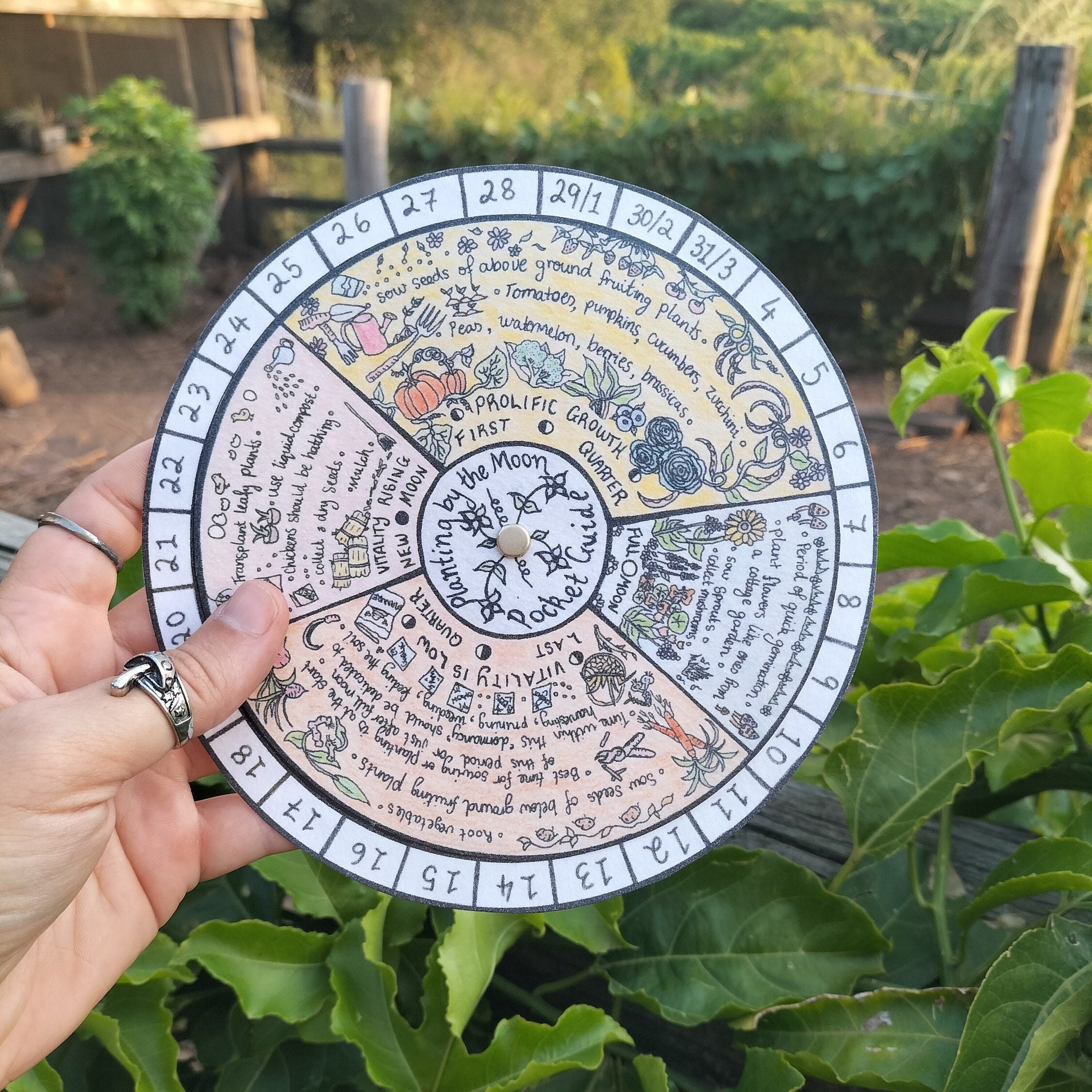
Have you ever wondered if the moon's phases could influence your gardening success? Moon gardening by the Farmers Almanac is an ancient practice that has gained modern popularity. By aligning your planting and harvesting activities with the lunar cycle, you can potentially enhance your garden's productivity and health. But how does it work, and is it just an old wives' tale or a scientifically sound practice? Let's dive in and explore the fascinating world of lunar gardening.
Understanding the Basics of Moon Gardening
Moon gardening, also known as planting by the moon, is a method that involves scheduling gardening activities according to the phases of the moon. The Farmers Almanac, a trusted source for gardening tips and advice, provides a detailed gardening calendar that guides gardeners on when to plant, prune, and harvest based on the lunar cycle. But why does the moon's phase matter?
The Moon's Influence on Plant Growth
The moon's gravitational pull affects the tides, and similarly, it can influence the movement of water within plants. During the full moon and new moon phases, the gravitational pull is strongest, drawing water upward through the plants. This increased water flow can stimulate growth and make plants more receptive to nutrients. Conversely, during the waning and waxing phases, the gravitational pull is weaker, which can be beneficial for root development and harvesting.
The Gardening Calendar: Your Guide to Success
The Farmers Almanac's gardening calendar is a comprehensive tool that helps you plan your gardening activities throughout the year. It provides specific dates for planting, pruning, and harvesting based on the lunar phases. By following this calendar, you can optimize your gardening efforts and potentially achieve better results. But how do you get started?
Getting Started with Moon Gardening
To begin your journey into moon gardening, you'll need a few essential tools and a bit of knowledge. First, obtain a copy of the Farmers Almanac or access their online gardening calendar. This will serve as your guide to the lunar phases and their corresponding gardening activities. Next, familiarize yourself with the different phases of the moon and their effects on plant growth.
The Four Phases of the Moon
The lunar cycle consists of four main phases: new moon, waxing moon, full moon, and waning moon. Each phase has unique characteristics that can influence your gardening activities.
- New Moon: This phase is ideal for planting above-ground crops. The increased water flow stimulates growth and makes plants more receptive to nutrients.
- Waxing Moon: During this phase, the moon is growing larger, and the gravitational pull is increasing. It's a good time to plant leafy vegetables and flowers.
- Full Moon: The full moon phase is perfect for planting root crops. The strong gravitational pull encourages root development.
- Waning Moon: As the moon decreases in size, the gravitational pull weakens. This phase is suitable for harvesting and pruning.
Practical Gardening Tips for Moon Gardening
Now that you understand the basics of moon gardening, let's dive into some practical tips to help you get the most out of this ancient practice. Remember, the key to successful lunar gardening is consistency and patience. By following these tips, you can enhance your garden's productivity and enjoy the benefits of planting by the moon.
Planting Tips
When planting by the moon, it's essential to choose the right time for each type of plant. For example, leafy vegetables like lettuce and spinach thrive during the waxing moon phase, while root crops like carrots and potatoes do best during the full moon. By aligning your planting schedule with the lunar cycle, you can optimize growth and yield.
Pruning and Harvesting Tips
Pruning and harvesting are crucial aspects of gardening that can be enhanced by moon gardening. During the waning moon phase, the weaker gravitational pull makes it an ideal time for pruning and harvesting. This is because the plants are less likely to experience stress, and the reduced water flow can help preserve the harvested produce.
The Science Behind Moon Gardening
While moon gardening has been practiced for centuries, the scientific community is still debating its effectiveness. Some studies suggest that the moon's gravitational pull can influence plant growth, while others argue that the effects are minimal. However, many gardeners swear by the benefits of lunar gardening, citing improved yields and healthier plants.
One theory is that the moon's gravitational pull affects the movement of water within plants, stimulating growth and nutrient absorption. Another theory suggests that the moon's light can influence plant hormones, affecting growth and development. Regardless of the scientific evidence, many gardeners find that moon gardening by the Farmers Almanac provides valuable insights and tips for successful gardening.
Conclusion
Moon gardening by the Farmers Almanac is a fascinating and ancient practice that can enhance your gardening success. By aligning your planting, pruning, and harvesting activities with the lunar cycle, you can potentially improve your garden's productivity and health. Whether you're a seasoned gardener or just starting, incorporating moon gardening into your routine can provide valuable insights and tips for a thriving garden.
So, are you ready to harness the power of the moon and take your gardening to the next level? Grab a copy of the Farmers Almanac, consult their gardening calendar, and start planting by the moon. Your garden will thank you!
FAQs
1. What is the best time to plant vegetables according to the moon?
The best time to plant vegetables depends on the type of plant and the lunar phase. For example, leafy vegetables like lettuce and spinach thrive during the waxing moon phase, while root crops like carrots and potatoes do best during the full moon.
2. Can moon gardening improve the yield of my garden?
Many gardeners report improved yields and healthier plants when practicing moon gardening. While the scientific evidence is still debated, aligning your gardening activities with the lunar cycle can provide valuable insights and tips for a thriving garden.
3. How do I get started with moon gardening?
To get started with moon gardening, obtain a copy of the Farmers Almanac or access their online gardening calendar. Familiarize yourself with the different phases of the moon and their effects on plant growth. Then, plan your gardening activities according to the lunar cycle.
4. What are the benefits of planting by the moon?
The benefits of planting by the moon include improved plant growth, increased yield, and healthier plants. By aligning your gardening activities with the lunar cycle, you can optimize growth and nutrient absorption, leading to a more productive garden.
5. Is moon gardening scientifically proven?
The scientific community is still debating the effectiveness of moon gardening. While some studies suggest that the moon's gravitational pull can influence plant growth, others argue that the effects are minimal. However, many gardeners find that moon gardening provides valuable insights and tips for successful gardening.
```
Posting Komentar