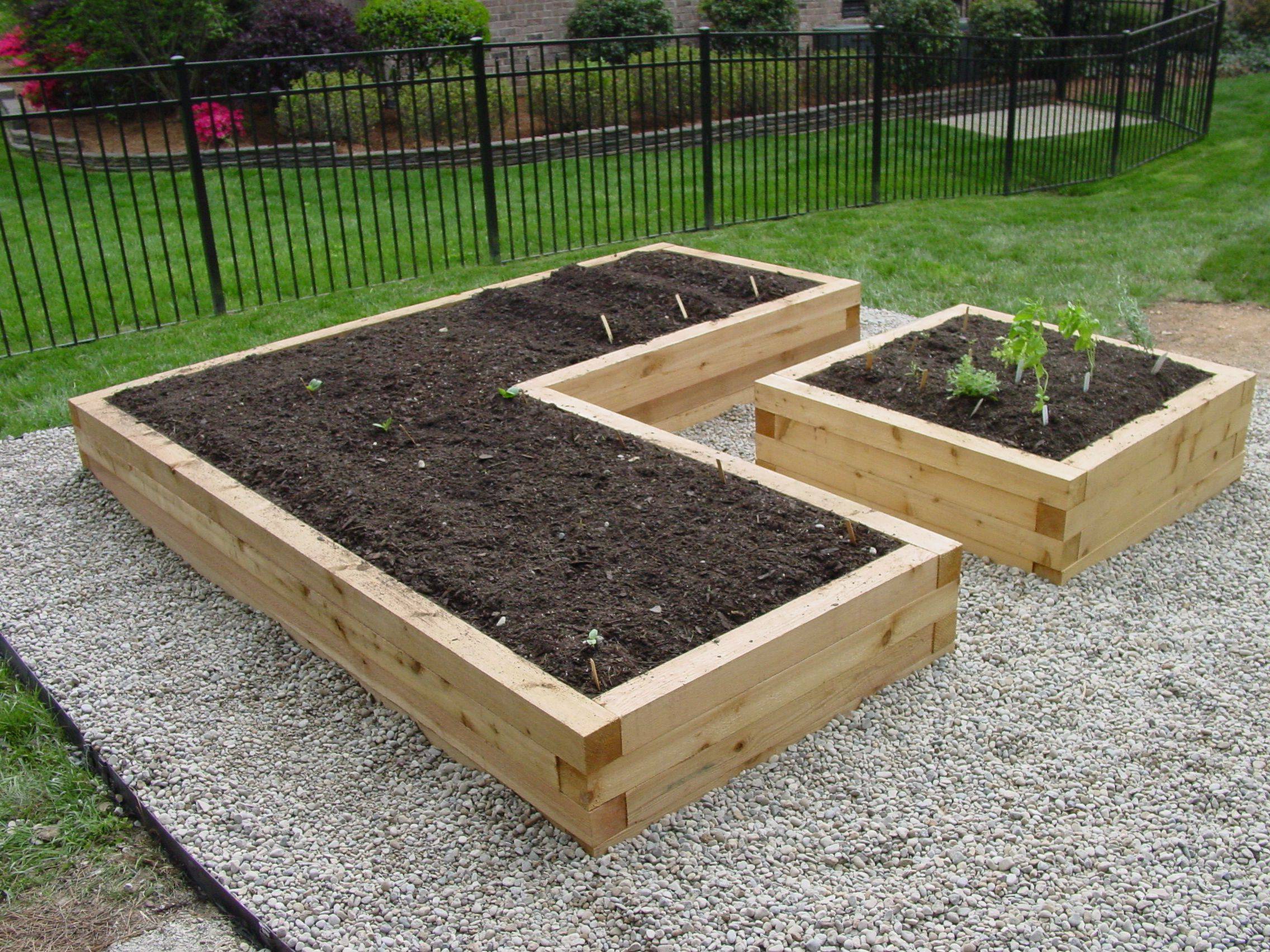
Imagine transforming your backyard into a lush, productive oasis. Gardening above ground can turn even the most barren plot into a thriving ecosystem. Whether you're a seasoned green thumb or a novice eager to dive into the world of gardening, creating an above-ground garden is a rewarding endeavor. Let's roll up our sleeves and get started on this exciting journey!
Why Choose Gardening Above Ground?
Gardening above ground, often referred to as raised bed gardening, offers numerous advantages. It improves soil drainage, prevents soil compaction, and makes it easier to control pests and diseases. Plus, it's a great way to garden in areas with poor soil quality or limited space. Think of it as giving your plants a cozy, elevated home where they can stretch their roots and bask in the sun.
Garden Planning: The Blueprint for Success
Choosing the Right Location
First things first, you need to find the perfect spot for your above-ground garden. Look for an area that gets at least 6-8 hours of sunlight daily. Avoid places with heavy shade or where water tends to pool. Remember, your plants need plenty of light and well-draining soil to thrive.
Designing Your Raised Bed
Next, decide on the size and shape of your raised bed. A common recommendation is to keep the bed no wider than 4 feet to make it easy to reach the center from either side. The length can vary based on your space and preferences. As for height, aim for at least 12 inches to provide ample rooting depth for your plants.
Materials Matter
When it comes to building your raised bed, choose durable materials like untreated wood, composite lumber, or even concrete blocks. Avoid pressure-treated wood, as it can leach chemicals into your soil. Think of your raised bed as a long-term investment; you want it to last for many growing seasons to come.
Soil Preparation: The Foundation of Your Garden
Soil is the lifeblood of your garden. For an above-ground garden, you have the luxury of starting with fresh, high-quality soil. Mix equal parts of topsoil, compost, and potting soil to create a nutrient-rich environment for your plants. This blend will provide the necessary nutrients and structure for healthy growth.
Consider adding organic matter like compost or well-rotted manure to enhance soil fertility. This will not only feed your plants but also improve soil structure and water retention. Think of it as giving your garden a hearty, nutritious meal to start with.
Plant Selection: Choosing the Right Crops
When selecting plants for your above-ground garden, consider factors like sunlight requirements, space, and your personal preferences. Leafy greens, herbs, and root vegetables are excellent choices for beginners. They grow quickly and are relatively low-maintenance. For a more diverse garden, mix in some flowering plants to attract pollinators and add a splash of color.
Don't forget to think about succession planting. This technique involves planting fast-growing crops alongside slower-growing ones. For example, you can plant radishes between rows of carrots. The radishes will be ready to harvest before the carrots need the space. It's like playing a strategic game of Tetris with your garden!
Irrigation Systems: Keeping Your Garden Hydrated
Water is essential for plant growth, but how do you ensure your above-ground garden stays hydrated? Drip irrigation systems are an efficient and water-saving option. They deliver water directly to the roots, reducing waste and minimizing the risk of fungal diseases. Plus, they're easy to install and can be automated for convenience.
If you prefer a more hands-on approach, consider using soaker hoses or watering cans. Just make sure to water deeply and consistently. The goal is to encourage deep root growth, which makes your plants more resilient to drought and other stressors. Think of it as giving your plants a steady drink rather than a quick sip.
Maintenance Tips for a Thriving Garden
Maintaining your above-ground garden is crucial for its long-term success. Regularly weed your beds to prevent competition for nutrients and water. Mulching can help suppress weeds and retain moisture. Keep an eye out for pests and diseases, and address any issues promptly to prevent them from spreading.
Fertilize your garden regularly with organic fertilizers or compost tea to keep the soil nutrient-rich. Rotate your crops each season to prevent soil depletion and reduce the risk of pest and disease cycles. Think of it as giving your garden a regular check-up and tune-up to keep it in top shape.
Conclusion
Building an above-ground garden is a rewarding experience that can transform your outdoor space into a lush, productive oasis. From planning and soil preparation to plant selection and irrigation, each step is a building block towards a thriving garden. So, roll up your sleeves, grab your tools, and get started on your gardening journey. Your green thumb awaits!
Remember, gardening is a journey of discovery and growth. Don't be afraid to experiment, learn, and adapt. Your above-ground garden is a living, breathing entity that will evolve with your care and attention. Happy gardening!
FAQs
1. What is the ideal depth for a raised bed garden?
The ideal depth for a raised bed garden is at least 12 inches. This provides ample rooting depth for most plants. However, if you plan to grow deep-rooted vegetables like carrots or parsnips, consider making your bed deeper, up to 24 inches.
2. Can I use pressure-treated wood for my raised bed?
It's best to avoid pressure-treated wood for your raised bed, as it can leach chemicals into your soil. Opt for untreated wood, composite lumber, or concrete blocks instead. These materials are safer and more durable for your gardening needs.
3. How often should I water my above-ground garden?
The frequency of watering depends on various factors like weather, soil type, and plant needs. As a general rule, water deeply once or twice a week, ensuring the soil is moist but not waterlogged. Use a moisture meter or the finger test to check the soil's moisture level before watering.
4. What are some good companion plants for an above-ground garden?
Companion planting can enhance your garden's productivity and health. Some good companion plants include:
- Tomatoes and basil: Basil repels pests and improves tomato flavor.
- Carrots and radishes: Radishes grow quickly and can be harvested before carrots need the space.
- Lettuce and cucumbers: Lettuce provides shade for cucumbers, while cucumbers act as a natural trellis for lettuce.
5. How do I prevent pests and diseases in my above-ground garden?
Preventing pests and diseases involves a combination of good gardening practices. Regularly inspect your plants for signs of trouble. Use organic pesticides and fungicides sparingly and as a last resort. Rotate your crops each season to disrupt pest and disease cycles. Maintain good garden hygiene by removing diseased plants and debris promptly.
```
Posting Komentar