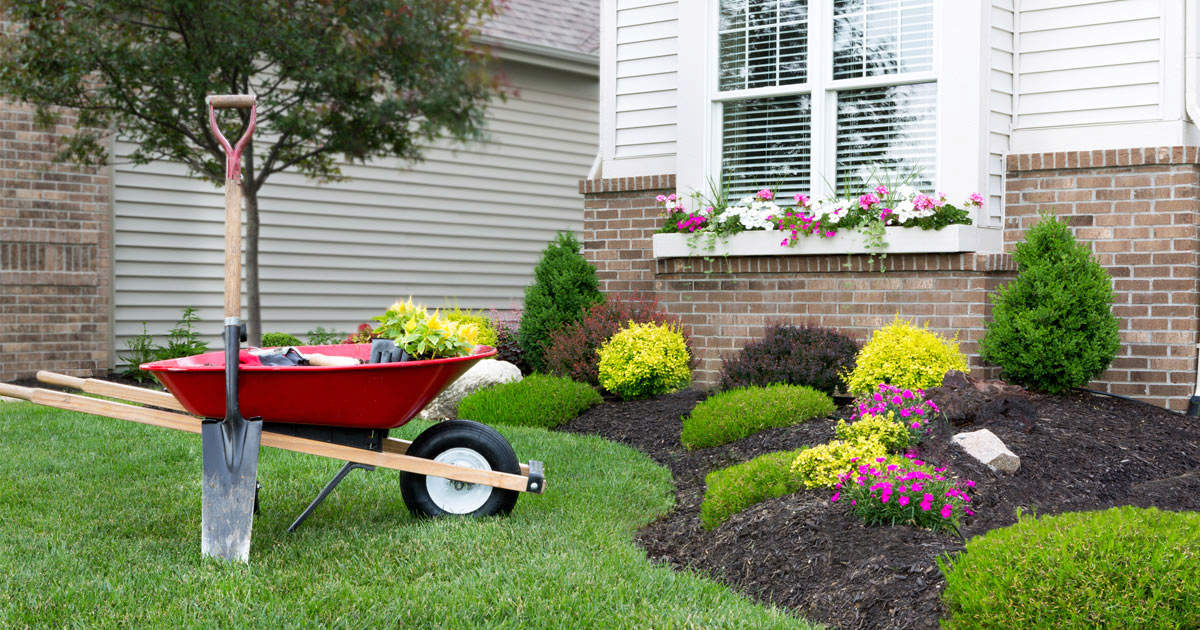
Imagine stepping out of your front door into a lush, vibrant oasis. A place where the air is filled with the sweet scent of blooming flowers, and the gentle hum of nature soothes your soul. Gardening around your house can turn this dream into a reality. Whether you're a seasoned green thumb or a novice just starting out, creating a beautiful home garden is within your reach. Let's dive into the world of gardening tips and outdoor plants to help you transform your outdoor space into a haven of tranquility and beauty.
The Benefits of Gardening Around Your House
Gardening around your house offers a multitude of benefits. It's not just about aesthetics; it's about creating a space that nurtures your well-being. A well-maintained home garden can improve air quality, reduce stress, and even increase the value of your property. Plus, it provides a perfect opportunity to connect with nature and enjoy the therapeutic effects of gardening. So, why not roll up your sleeves and get started?
Choosing the Right Outdoor Plants
Selecting the right outdoor plants is crucial for a thriving garden. Consider the climate, soil type, and amount of sunlight your garden receives. For instance, if you live in a region with harsh winters, opt for hardy perennials like tulips and daffodils. If you're blessed with ample sunlight, sun-loving plants like roses and lavender will flourish. Don't forget to mix in some evergreens for year-round greenery. Remember, variety is the spice of life, and the same goes for your garden. Mix and match different types of plants to create a dynamic and visually appealing landscape.
Flower Gardening: Adding Color and Life
Flower gardening is one of the most rewarding aspects of creating a home garden. Flowers add a splash of color and life to your outdoor space. Whether you prefer annuals that bloom all summer long or perennials that come back year after year, there's a flower for every taste and preference. Consider planting a mix of tall, medium, and short flowers to create depth and interest. Don't be afraid to experiment with different colors and textures. After all, your garden is a canvas, and you're the artist.
House Plants: Bringing the Outdoors In
House plants are another excellent way to incorporate gardening into your life. They not only purify the air but also add a touch of nature to your indoor space. Choose plants that thrive in the light conditions of your home. For example, snake plants and ZZ plants are great for low-light areas, while ferns and peace lilies love a bit more sun. Don't forget to water and fertilize your house plants regularly to keep them healthy and vibrant. Think of them as your indoor garden's superstars.
Gardening Tips for a Thriving Home Garden
Now that you have an idea of what plants to choose, let's dive into some essential gardening tips to ensure your home garden thrives. First, always start with good soil. Healthy soil is the foundation of a successful garden. Add compost or organic matter to enrich your soil and provide the necessary nutrients for your plants. Next, water wisely. Overwatering can be just as harmful as underwatering. Aim for deep, infrequent watering to encourage strong root growth. And don't forget about mulching. Mulch helps retain moisture, suppresses weeds, and regulates soil temperature. It's like a cozy blanket for your plants.
Maintaining Your Garden
Maintaining your garden is an ongoing process, but with the right tools and techniques, it can be a joy rather than a chore. Regular pruning keeps your plants healthy and encourages new growth. Deadheading, or removing spent flowers, promotes more blooms and keeps your garden looking tidy. And don't forget about pest control. Use natural methods like companion planting and beneficial insects to keep pests at bay. After all, a healthy garden is a balanced ecosystem.
Seasonal Gardening
Gardening is a year-round activity, and each season brings its own unique challenges and rewards. In spring, focus on planting and preparing your garden for the growing season. Summer is all about maintenance and enjoying the fruits of your labor. Fall is the time to clean up and prepare your garden for winter. And winter? It's the perfect time to plan and dream about next year's garden. Think of it as a cycle of renewal and growth.
Creating a Beautiful and Functional Outdoor Space
Your garden should be a reflection of your personality and lifestyle. Think about how you want to use your outdoor space. Do you want a cozy nook for reading? A dining area for al fresco meals? Or perhaps a play area for the kids? Whatever your needs, there are plenty of ways to create a beautiful and functional outdoor space. Consider adding seating areas, pathways, and decorative elements like statues or water features. The possibilities are endless, so let your imagination run wild.
Conclusion
Gardening around your house is more than just a hobby; it's a way to connect with nature, improve your well-being, and create a beautiful outdoor space. From choosing the right outdoor plants to maintaining your garden, there are plenty of gardening tips to help you along the way. So, grab your gloves and get started. Your dream garden is just a few steps away. Happy gardening!
FAQs
1. What are some easy-to-grow outdoor plants for beginners?
Some easy-to-grow outdoor plants for beginners include marigolds, petunias, and zinnias. These flowers are hardy and require minimal care, making them perfect for novice gardeners.
2. How often should I water my garden?
The frequency of watering depends on the type of plants, soil, and weather conditions. As a general rule, aim for deep, infrequent watering to encourage strong root growth. Check the soil moisture level before watering to avoid overwatering.
3. What are some benefits of flower gardening?
Flower gardening adds color and life to your outdoor space, attracts pollinators like bees and butterflies, and can improve air quality. Plus, it's a great way to express your creativity and enjoy the therapeutic effects of gardening.
4. How can I keep pests out of my garden naturally?
Use natural pest control methods like companion planting, beneficial insects, and organic pesticides. For example, planting marigolds can repel nematodes, while ladybugs can help control aphid populations. Regularly inspect your plants for signs of pests and take action early to prevent infestations.
5. What are some tips for maintaining a healthy home garden?
Maintain a healthy home garden by starting with good soil, watering wisely, and mulching regularly. Prune your plants to encourage new growth, deadhead spent flowers to promote more blooms, and use natural pest control methods to keep pests at bay. Regular maintenance and care will ensure your garden thrives throughout the seasons.
```
Posting Komentar