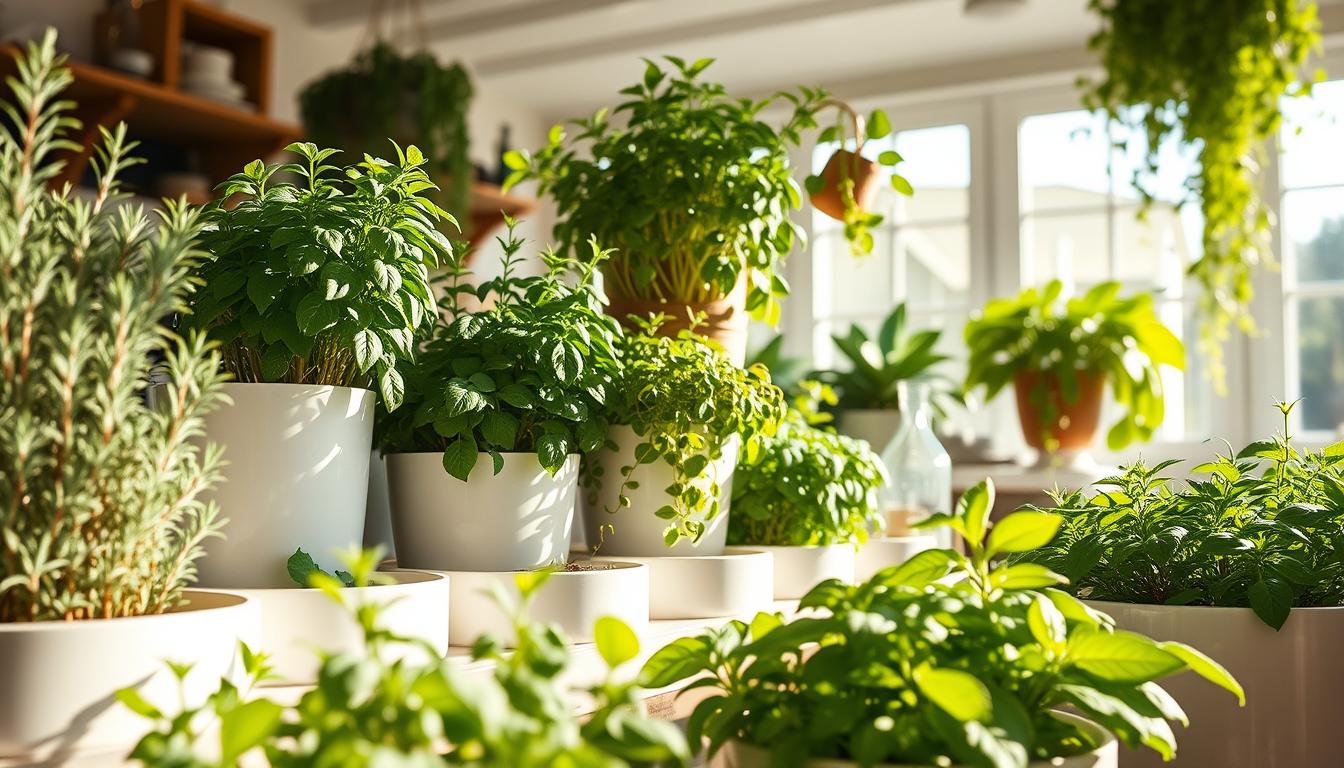
Imagine stepping into your kitchen and plucking fresh basil, parsley, or thyme straight from your very own indoor herb garden. Sounds like a dream? It doesn't have to be. Starting an indoor herb garden for cooking is easier than you think and can transform your culinary adventures. Whether you're a seasoned chef or a novice cook, having fresh herbs at your fingertips can elevate your dishes to new heights. So, let's dive into the world of herb gardening and discover how you can create your own indoor oasis of flavor.
Why Start an Indoor Herb Garden?
Before we get into the nitty-gritty of herb gardening, let's talk about why you should consider starting an indoor herb garden. Fresh herbs can make a world of difference in your cooking. They add depth, complexity, and a burst of flavor that dried herbs simply can't match. Plus, growing your own herbs is a rewarding experience that connects you with nature, even if you live in a bustling city. And let's not forget the convenience factor—no more last-minute trips to the store for a single sprig of rosemary.
Choosing the Right Herbs for Your Indoor Herb Garden
When it comes to selecting herbs for your indoor herb garden, think about the ones you use most frequently in your cooking. Some popular kitchen herbs that thrive indoors include basil, parsley, thyme, rosemary, and chives. These herbs are relatively easy to grow and can add a delightful touch to a variety of dishes. If you're new to herb gardening, start with a few of these and expand your collection as you gain more experience.
Basil: The Versatile Superstar
Basil is a staple in many cuisines, from Italian to Thai. It's versatile, aromatic, and easy to grow indoors. Place your basil plant in a spot that gets plenty of sunlight—at least 6 hours a day—and keep the soil consistently moist. In no time, you'll have a lush plant ready to provide fresh leaves for your pesto, pasta sauces, and salads.
Parsley: The Workhorse of the Herb Garden
Parsley is another must-have in your indoor herb garden. It's a biennial herb, meaning it lives for two years, but it's often grown as an annual. Parsley prefers cooler temperatures and partial shade, making it an excellent choice for indoor growing. Use it as a garnish, in salads, or as a key ingredient in dishes like tabbouleh.
Thyme and Rosemary: The Aromatic Duo
Thyme and rosemary are perennial herbs that add a robust flavor to your cooking. They're drought-tolerant and prefer well-draining soil. Thyme is perfect for seasoning meats, soups, and stews, while rosemary pairs beautifully with roasted vegetables and potatoes. Both herbs thrive in sunny spots, so place them near a window that gets plenty of light.
Chives: The Mild and Delicate Herb
Chives are a mild onion-flavored herb that adds a subtle kick to your dishes. They're easy to grow indoors and prefer partial shade. Use them as a topping for baked potatoes, in omelets, or as a garnish for soups and salads. Chives are also a great source of vitamins A and C, making them a healthy addition to your diet.
Setting Up Your Indoor Herb Garden
Now that you've chosen your herbs, it's time to set up your indoor herb garden. The key to successful herb gardening is providing the right conditions for your plants to thrive. Here are some tips to help you get started:
Light: The Lifeline of Your Herbs
Herbs need plenty of light to grow, so place your plants near a south-facing window if possible. If natural light is limited, consider using grow lights to supplement. LED grow lights are energy-efficient and can provide the full spectrum of light your herbs need to flourish. Remember, the more light your herbs get, the more robust and flavorful they'll be.
Water: The Balancing Act
Watering your herbs is a delicate balancing act. Too much water can lead to root rot, while too little can cause your plants to wilt and die. The general rule of thumb is to water your herbs when the top inch of soil is dry. Stick your finger into the soil to check the moisture level, and water accordingly. Most herbs prefer well-draining soil, so make sure your pots have adequate drainage holes.
Soil: The Foundation of Growth
Choosing the right soil is crucial for the health of your herbs. Opt for a well-draining potting mix that's rich in organic matter. Avoid heavy soils that can retain too much water and lead to root rot. If you're using pots without drainage holes, consider layering the bottom with gravel or pebbles to improve drainage.
Containers: The Home of Your Herbs
Selecting the right containers for your herbs is essential. Choose pots that are at least 6 inches deep and have drainage holes to prevent waterlogging. Terracotta pots are a popular choice because they allow for better air circulation, but plastic and ceramic pots work well too. Just make sure they're the right size for your herbs and have adequate drainage.
Caring for Your Indoor Herb Garden
Once your indoor herb garden is set up, it's time to focus on maintenance. Regular care will ensure your herbs stay healthy and productive. Here are some tips to keep your herb garden thriving:
Pruning: Encouraging Growth
Pruning your herbs regularly encourages bushier growth and prevents them from becoming leggy. Use sharp scissors or pruning shears to snip off the top few inches of growth. This will stimulate new growth and keep your plants compact and full. Plus, you'll have plenty of fresh herbs to use in your cooking!
Fertilizing: Nourishing Your Plants
Herbs don't require a lot of fertilizer, but a little boost can go a long way. Use a balanced, water-soluble fertilizer every 4-6 weeks during the growing season. Dilute the fertilizer to half the recommended strength to avoid overfeeding your plants. Remember, less is more when it comes to fertilizing herbs.
Pest Control: Keeping Your Herbs Safe
Indoor herb gardens are generally less prone to pests, but it's still important to keep an eye out for any unwanted visitors. Common pests include aphids, spider mites, and fungus gnats. Inspect your plants regularly for signs of infestation, such as yellowing leaves, webbing, or tiny flies hovering around the soil. If you spot any pests, treat them with insecticidal soap or neem oil. Prevention is key, so maintain good air circulation and avoid overwatering to keep pests at bay.
Harvesting and Using Your Fresh Herbs
The best part about growing your own indoor herb garden is harvesting and using your fresh herbs. There's nothing quite like the aroma of freshly picked basil or the zing of freshly snipped chives. Here are some tips for harvesting and using your herbs:
When to Harvest
The best time to harvest your herbs is in the morning, after the dew has evaporated but before the heat of the day sets in. This is when the essential oils in the herbs are at their peak, giving you the most flavor. Use sharp scissors or pruning shears to cut the stems just above a leaf node, which will encourage new growth.
Storing Your Herbs
Fresh herbs are best used immediately, but if you need to store them, there are a few methods you can try. For basil, trim the stems and place them in a glass of water like a bouquet of flowers. Change the water every few days to keep the herbs fresh. For other herbs like parsley and chives, wrap them in a damp paper towel and store them in the refrigerator. They should keep for about a week.
Using Your Herbs in Cooking
Fresh herbs can transform your dishes from ordinary to extraordinary. Use them to season meats, vegetables, soups, and stews. Add them to salads, dressings, and marinades. The possibilities are endless! Experiment with different combinations to find what works best for your palate. Remember, a little goes a long way, so start with a small amount and adjust to taste.
Conclusion
Starting an indoor herb garden for cooking is a rewarding experience that can elevate your culinary adventures. From choosing the right herbs to setting up and maintaining your garden, every step is an opportunity to connect with nature and enhance your cooking skills. So, why wait? Grab your pots, soil, and seeds, and get started on your indoor herb gardening journey today. Your taste buds will thank you!
FAQs
What are the easiest herbs to grow indoors?
The easiest herbs to grow indoors are basil, parsley, thyme, rosemary, and chives. These herbs are relatively low-maintenance and can thrive in indoor conditions with the right care.
How much light do indoor herbs need?
Most indoor herbs need at least 6 hours of sunlight per day. If natural light is limited, consider using grow lights to supplement. LED grow lights are energy-efficient and can provide the full spectrum of light your herbs need to flourish.
How often should I water my indoor herbs?
Water your indoor herbs when the top inch of soil is dry. Stick your finger into the soil to check the moisture level and water accordingly. Most herbs prefer well-draining soil, so make sure your pots have adequate drainage holes.
Can I use regular potting soil for my indoor herb garden?
It's best to use a well-draining potting mix that's rich in organic matter for your indoor herb garden. Regular potting soil can retain too much water and lead to root rot, so opt for a mix specifically designed for herbs or containers.
How do I prevent pests in my indoor herb garden?
To prevent pests in your indoor herb garden, maintain good air circulation and avoid overwatering. Inspect your plants regularly for signs of infestation, such as yellowing leaves, webbing, or tiny flies hovering around the soil. If you spot any pests, treat them with insecticidal soap or neem oil.
```
Posting Komentar