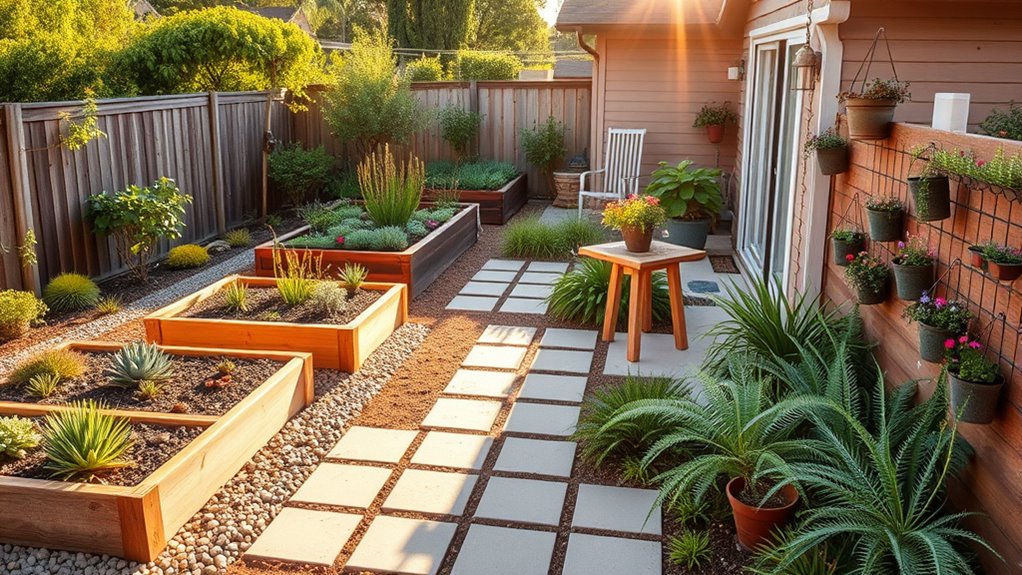
Imagine this: you wake up to the gentle hum of nature, step outside, and are greeted by a lush, vibrant garden. Sounds like a dream, right? But what if I told you that achieving this green oasis doesn't have to consume all your free time? Welcome to the world of low-maintenance gardening, where minimal effort gardening meets the needs of the busy gardener. Whether you're a seasoned green thumb or a novice just dipping your toes into the soil, these easy garden maintenance tips will help you create a beautiful, time-saving garden that thrives with little fuss.
Understanding Low-Maintenance Gardening
Low-maintenance gardening is all about working smarter, not harder. It's about choosing the right plants, using efficient watering systems, and creating a garden that practically takes care of itself. Think of it as setting up a self-sustaining ecosystem in your backyard. You plant it, nurture it a bit, and then let nature do the rest. Sounds too good to be true? It's not. With the right strategies, you can enjoy a lush garden without the constant upkeep.
Why Choose Low-Maintenance Gardening?
Life is busy. Between work, family, and social commitments, finding time for gardening can be a challenge. But that doesn't mean you have to give up on your green dreams. Low-maintenance gardening allows you to have the best of both worlds. You get to enjoy a beautiful outdoor space without sacrificing your precious time. Plus, it's eco-friendly. By choosing drought-resistant plants and efficient watering systems, you're conserving water and reducing your carbon footprint. It's a win-win!
Choosing the Right Plants
The key to minimal effort gardening is selecting low-maintenance plants. These are plants that require less water, less fertilizer, and less pruning. They are the workhorses of the garden, thriving with minimal intervention. So, what are some of these hardy plants? Think succulents, native grasses, and perennials. These plants are not only easy to care for but also add a touch of natural beauty to your garden.
Drought-Resistant Plants
Drought-resistant plants are a busy gardener's best friend. They require less water, which means less time spent on watering. Plus, they are often more resilient to pests and diseases. Some popular drought-resistant plants include lavender, sedum, and yucca. These plants not only survive but thrive in dry conditions, making them perfect for low-maintenance gardens.
Native Plants
Native plants are another great option for easy garden maintenance. They are adapted to your local climate and soil conditions, which means they require less care. Plus, they support local wildlife, making your garden a haven for birds and butterflies. Some popular native plants include black-eyed Susans, coneflowers, and butterfly weed. These plants add a splash of color to your garden and require minimal effort on your part.
Efficient Watering Systems
Watering can be a time-consuming task, but it doesn't have to be. With the right watering systems, you can ensure your plants get the moisture they need without spending hours with a hose. So, what are some of these time-saving garden tips? Think drip irrigation and rain barrels. These systems deliver water directly to the roots of your plants, reducing waste and saving you time.
Drip Irrigation
Drip irrigation is a game-changer for busy gardeners. It delivers water directly to the roots of your plants, reducing evaporation and runoff. This means your plants get the moisture they need, and you save water. Plus, it's easy to set up and maintain. You can even automate it with a timer, ensuring your garden gets watered even when you're not around. It's like having a personal gardener on call 24/7.
Rain Barrels
Rain barrels are another great option for efficient watering. They collect rainwater from your roof, which you can then use to water your garden. This not only saves you time but also conserves water. Plus, rainwater is better for your plants than tap water, as it's free from chemicals like chlorine and fluoride. It's a win for your garden and the environment.
Creating a Self-Sustaining Ecosystem
The ultimate goal of low-maintenance gardening is to create a self-sustaining ecosystem. This means a garden that practically takes care of itself. So, how do you achieve this? Think mulching, composting, and attracting beneficial insects. These strategies work together to create a balanced, healthy garden that requires minimal intervention.
Mulching
Mulching is a simple yet effective way to reduce garden maintenance. It helps retain moisture, suppresses weeds, and regulates soil temperature. Plus, it adds nutrients to the soil as it breaks down. Some popular mulching materials include wood chips, straw, and pine needles. These materials not only look great but also work hard to keep your garden healthy.
Composting
Composting is another great way to create a self-sustaining garden. It turns kitchen scraps and yard waste into nutrient-rich fertilizer. This means less waste in landfills and more nutrients for your plants. Plus, it's easy to do. You can set up a compost bin in your backyard and add to it regularly. It's like having a free, endless supply of plant food.
Attracting Beneficial Insects
Beneficial insects are nature's pest control. They feed on harmful pests, keeping your garden healthy and pest-free. So, how do you attract them? Think flowers, herbs, and shrubs. Plants like marigolds, dill, and yarrow attract beneficial insects like ladybugs and lacewings. These insects not only look great but also work hard to keep your garden pest-free.
Conclusion
Low-maintenance gardening is not just a dream; it's a reality. With the right plants, efficient watering systems, and a self-sustaining ecosystem, you can enjoy a beautiful garden without the constant upkeep. So, why wait? Start your low-maintenance gardening journey today and watch your garden thrive with minimal effort. Remember, gardening is not about perfection; it's about creating a space that brings you joy and connects you with nature. And with these busy gardener solutions, you can do just that.
FAQs
What are some low-maintenance plants for beginners?
For beginners, it's best to start with hardy, drought-resistant plants. Some great options include lavender, sedum, and yucca. These plants require minimal water and care, making them perfect for busy gardeners.
How often should I water my low-maintenance garden?
The frequency of watering depends on the plants and the climate. However, with a drip irrigation system, you can water your garden less frequently but more efficiently. Aim for deep watering once or twice a week, depending on the weather.
Can I use native plants in a low-maintenance garden?
Absolutely! Native plants are adapted to your local climate and soil conditions, making them perfect for low-maintenance gardens. Plus, they support local wildlife, adding an extra layer of beauty to your garden.
What is the best mulch for a low-maintenance garden?
The best mulch depends on your plants and climate. However, wood chips, straw, and pine needles are popular choices. They help retain moisture, suppress weeds, and add nutrients to the soil as they break down.
How do I attract beneficial insects to my garden?
Attracting beneficial insects is easy with the right plants. Flowers like marigolds, dill, and yarrow are great for attracting ladybugs and lacewings. These insects feed on harmful pests, keeping your garden healthy and pest-free.
```
Posting Komentar